Six Pakistani Soldiers Killed in Kandahar Clashes, Afghan Forces Claim Pakistan-Afghanistan War
6
Pakistani Soldiers Killed (Afghan Claim)
2,611 km
Length of Disputed Durand Line Border
500+
Afghan Civilians Killed (UNAMA, War Total)
60+
Days Since Pakistan Declared Open War

Map: Kandahar Province border clash zone, Afghanistan-Pakistan frontier (Durand Line). Sources: Ariana News, AP, Al Jazeera, Wikipedia 2026 Af-Pak War.
🔴 The Kandahar Clash
Afghan Forces Report Killing Six Pakistani Soldiers in Kandahar Province
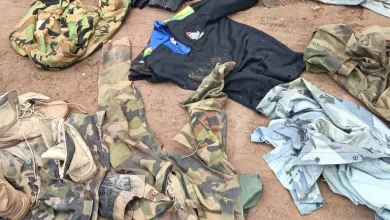
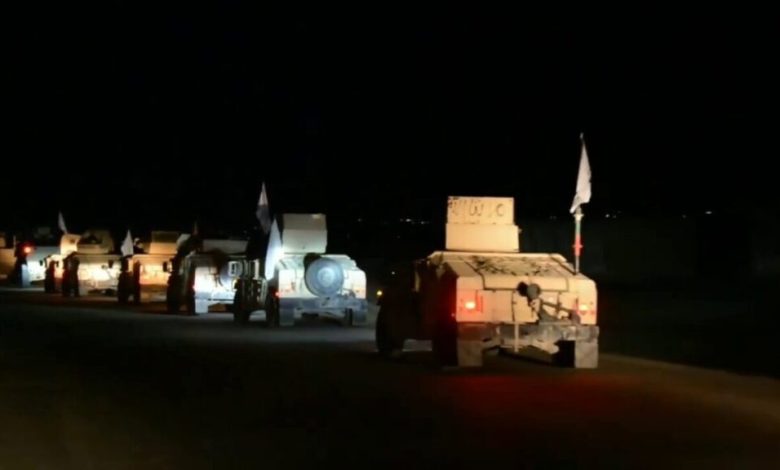
Afghan armed forces have reported killing six Pakistani soldiers during clashes in Kandahar Province, according to Ariana News, as the two-month-old Afghanistan-Pakistan war continues to produce lethal exchanges along the Durand Line. The incident adds to an already staggering and disputed casualty count on both sides of the conflict.
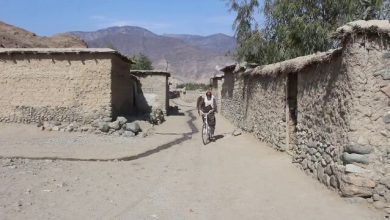
The border area around Kandahar has been one of the most active fronts since fighting escalated in late February 2026. Kandahar lies in southern Afghanistan, sharing a frontier with Pakistan’s Balochistan province, and the Spin Boldak district sits directly on the crossing point between the two countries. Taliban forces have repeatedly reported attacks on Pakistani military positions in this sector throughout the conflict.
CLAIM UNVERIFIED: Pakistani officials have not confirmed the six soldiers killed in this specific Kandahar incident. Islamabad has consistently disputed Afghan casualty figures throughout the conflict, describing many Taliban claims as fabricated or exaggerated.
🟡 Background: The 2026 Afghanistan-Pakistan War
How Two Nuclear-Armed Neighbours Came to Open War
The war began on 21 February 2026 when the Pakistan Air Force conducted airstrikes across Nangarhar, Paktika, and Khost provinces in Afghanistan. Islamabad stated the strikes targeted seven militant camps linked to the Pakistani Taliban, known as the TTP, and the Islamic State Khorasan Province, in retaliation for a string of devastating terrorist attacks inside Pakistan, including a suicide bombing at a Shia mosque in Islamabad that killed 36 people.
Afghan authorities contested the strikes immediately, stating civilians including women and children had been killed. On 26 February, the Taliban government launched what it described as a calculated retaliatory operation against Pakistani border posts and military positions. Pakistan’s response was immediate and escalatory: Defence Minister Khawaja Asif declared it was now an “open war,” and Pakistan launched Operation Ghazab Lil Haq, a large-scale air and ground campaign striking Taliban positions across multiple Afghan provinces including Kabul, Kandahar, Paktia, Nangarhar, Khost, and Paktika.
The fighting collapsed a Qatar-mediated ceasefire that had been agreed in October 2025 following an earlier round of deadly clashes. Subsequent talks in Istanbul failed to produce a lasting agreement. The root cause of the conflict remains Pakistan’s accusation that the Taliban government allows the TTP to operate freely from Afghan territory, a charge Kabul categorically denies.
🔴 Kandahar as a Contested Front
Southern Province Has Seen Sustained Fighting Since February
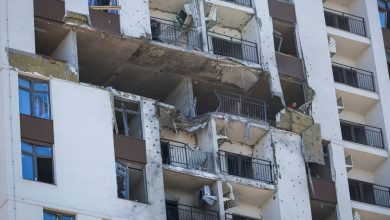
Kandahar has been consistently named as an active front throughout the conflict. Pakistan’s air force struck five military bases in Kandahar Province on 14 March, including facilities belonging to Afghan intelligence, Haibatullah Akhundzada’s special forces unit, and border command infrastructure. Satellite imagery reviewed by BBC News confirmed the location of an ammunition depot near Kandahar International Airport that was struck during Operation Ghazab Lil Haq.
The Taliban’s Ministry of Defence reported that Afghan forces attacked Pakistani positions across Kandahar, Nangarhar, Kunar, Khost, Paktia, and Paktika on multiple occasions during the conflict, with each communique claiming dozens of Pakistani soldiers killed. Pakistan has consistently rejected these figures. Civilian harm in Kandahar has also been reported: local sources confirmed that four Afghan civilians were killed in Pakistani strikes on the Spin Boldak district, though Taliban officials did not confirm this separately.
The Spin Boldak crossing represents a significant strategic prize because it connects Kandahar directly to Pakistan’s Chaman border post in Balochistan, a historically vital trade and transit route. Control or disruption of this crossing has political and economic consequences well beyond the battlefield.
🟡 War Totals and Disputed Figures
Each Side Claims Hundreds of Enemy Dead — Independent Verification Impossible
Pakistani officials have claimed that over 352 Taliban fighters have been killed and more than 535 wounded since fighting began, with the Pakistan Air Force striking 46 locations inside Afghanistan. They also reported that 182 Taliban posts had been destroyed and 31 captured, with 185 tanks and armoured vehicles disabled. A separate Pakistani statement put the figure of Taliban fighters killed at 464 with 665 wounded.
The Afghan Taliban’s Ministry of Defence has offered dramatically different figures, claiming at various points during the conflict that tens of thousands of Pakistani soldiers have been killed or wounded and that hundreds of Pakistani posts have been captured or destroyed. These figures are contested by Islamabad. Pakistani officials publicly acknowledged 12 of their own soldiers killed and 27 wounded in early reporting, with one soldier missing in action, though Afghanistan disputes this.
The border region is largely inaccessible to media. The Associated Press noted that it could not independently verify conflicting claims from either side. UNAMA, the UN mission in Afghanistan, confirmed at least 42 civilians killed and 104 injured in the first six days of fighting alone, urging both countries to halt clashes and comply with international humanitarian law.
Afghan Taliban MoD Statement
Taliban forces had attacked Pakistani military positions and border outposts along the Durand Line, describing them as a calculated response.
Afghan Taliban Ministry of Defence, February-April 2026 — via Associated Press, Al Jazeera
Pakistan Defence Minister Khawaja Asif
Pakistan’s patience has run out with the Taliban authorities in Afghanistan. Now it is open war between us and you.
Khawaja Asif, Pakistan Defence Minister, February 2026 — via Al Jazeera
🔵 International Response and Mediation
Diplomacy Has Failed to Stop the Guns
Multiple international actors have appealed for restraint since the conflict began, with no effect. China, Russia, Iran, the United Kingdom, and the European Union all contacted both sides urging de-escalation. Turkey’s President Erdogan offered to mediate a new ceasefire in a call with Pakistan’s Prime Minister Shehbaz Sharif, while Malaysia’s Prime Minister spoke with Afghanistan’s PM Mullah Mohammad Hasan Akhund. The UN appealed for immediate de-escalation, also condemning Taliban edicts against women and girls in the same period.
Afghanistan’s Deputy Spokesman Hamdullah Fitrat was direct in his framing, stating that regional countries should press Pakistan to end the war, characterising Islamabad as the aggressor. Pakistan’s Foreign Ministry maintained that further provocation “will be met with a measured, decisive and befitting response.” Despite the diplomatic noise, fighting in Kandahar and along the broader frontier has continued.
Strategy Battles Assessment
The Kandahar front is strategically significant for a reason that goes beyond the body count: this is not a remote mountain skirmish. Kandahar is Afghanistan’s second city, a commercial and symbolic heartland of the Pashtun world from which the Taliban movement itself was born. Pakistani airstrikes and Taliban ground attacks in this province are fighting over terrain with deep cultural weight on both sides of the Durand Line.
The pattern emerging from the conflict is one of mutual attrition with competing narrative strategies. Pakistan has sought to portray Operation Ghazab Lil Haq as a precision counter-terrorism campaign; Afghanistan has sought to frame it as foreign aggression against a sovereign state. Neither position fully holds. Pakistan is conducting genuine strikes on militant infrastructure, but those strikes are killing civilians. Afghanistan is conducting genuine defensive operations, but the Taliban’s refusal to meaningfully dismantle TTP networks is what drove Pakistan to this point.
The six soldiers killed in the latest Kandahar incident, whether or not Pakistan confirms the figure, are part of a much larger haemorrhage. Without a genuine ceasefire mechanism backed by a third party capable of monitoring both sides, the daily attrition along the entire length of the 2,611-kilometre Durand Line will continue. Turkey and Qatar have tried; both have failed. The war risks becoming normalised, which would represent the worst strategic outcome of all.
Strategy Battles — Related Coverage
Sources
- Ariana News — Six Pakistani Soldiers Killed in Clashes with Afghan Forces in Kandahar (April 2026)
- Wikipedia — 2026 Afghanistan-Pakistan War (ongoing compilation, April 2026)
- Al Jazeera — Open War: Pakistan and Afghanistan’s Taliban Claim Major Casualties (February 2026)
- Al Jazeera — Afghanistan Launches Attacks Against Pakistan (February 2026)
- Associated Press / Local10 — Pakistan Says Its Forces Killed 67 Afghan Troops (March 2026)
- ABC News / AP — Pakistan and Afghanistan Claim Killing Dozens (March 2026)
- JURIST — Pakistan Declares Open War Against Afghanistan (March 2026)
- Washington Times / AP — Relentless Fighting (March 2026)
- Afghanistan International — Taliban Claims Dozens of Pakistani Soldiers Killed (March 2026)
Editorial Verification Note
The six Pakistani soldiers killed in Kandahar is sourced to Ariana News (Afghanistan) only. This figure has not been confirmed by Pakistani officials and is labelled CLAIM UNVERIFIED throughout this article. The broader conflict background — the start date, Operation Ghazab Lil Haq, UNAMA civilian casualty figures, and international mediation efforts — is verified across multiple independent sources including Associated Press, Al Jazeera, JURIST, and Wikipedia’s 2026 Afghanistan-Pakistan war article. Casualty totals from both sides throughout the conflict are disputed by the opposing party and should be treated as claims, not confirmed figures. The border region is largely inaccessible to independent media and independent verification of battlefield claims is not possible.
Approved for Publication
Marcus V. Thorne
Lead Editor, Strategy Battles
©StrategyBattles.net 2026
This article is for news and analysis purposes only. It is based on publicly available news sources and military updates. All rights reserved. Original reporting may come from various open sources. Not for commercial reuse without permission.