IDF Soldier Killed by Fiber-Optic Drone in Lebanon Deadliest Day Since Ceasefire as Hezbollah Strikes IDF Directly for First Time
14
Lebanese Killed — Deadliest Day Since Truce
3rd
IDF Soldier Killed Since Ceasefire — First Direct Hezbollah Strike
36+
Lebanese Killed by Israeli Strikes Since Truce Began
📍 South Lebanon — Ceasefire Zone Clashes / April 27, 2026

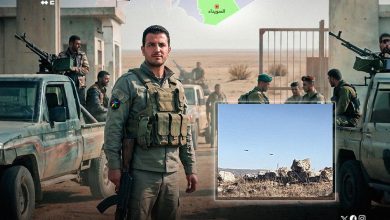
The yellow line marks the Israeli-declared security zone approximately 10km inside Lebanese territory. The Taybeh strike and subsequent retaliatory raids across Nabatieh, Arnoun, Zawtar al-Sharqiyah and Kfar Tebnit are shown. Map: Strategy Battles / OSINT.
🔴 The Fatal Strike
Sgt. Idan Fooks Killed in Taybeh Drone Attack
The flashpoint on Sunday, April 27, was the southern Lebanese town of Taybeh, situated inside the Israeli-declared security zone roughly 10 kilometers north of the Blue Line. A unit from the IDF’s 7th Armored Brigade, 77th Battalion, was working to repair a disabled tank when a Hezbollah explosive-laden drone struck the group.
Sgt. Idan Fooks, 19, was killed in the initial strike. Six others were wounded. As an Israeli Air Force helicopter arrived to evacuate the casualties, Hezbollah launched two additional drones. One was intercepted by ground forces; the second struck near the troops and the aircraft, though it caused no further fatalities.
Sgt. Fooks is the third Israeli soldier killed in southern Lebanon since the ceasefire came into force on April 17, but he is the first to die in a confirmed direct Hezbollah attack rather than by pre-planted explosive devices. That distinction carries significant operational weight: it represents Hezbollah moving from passive, pre-positioned munitions to active, real-time strike operations against IDF personnel.
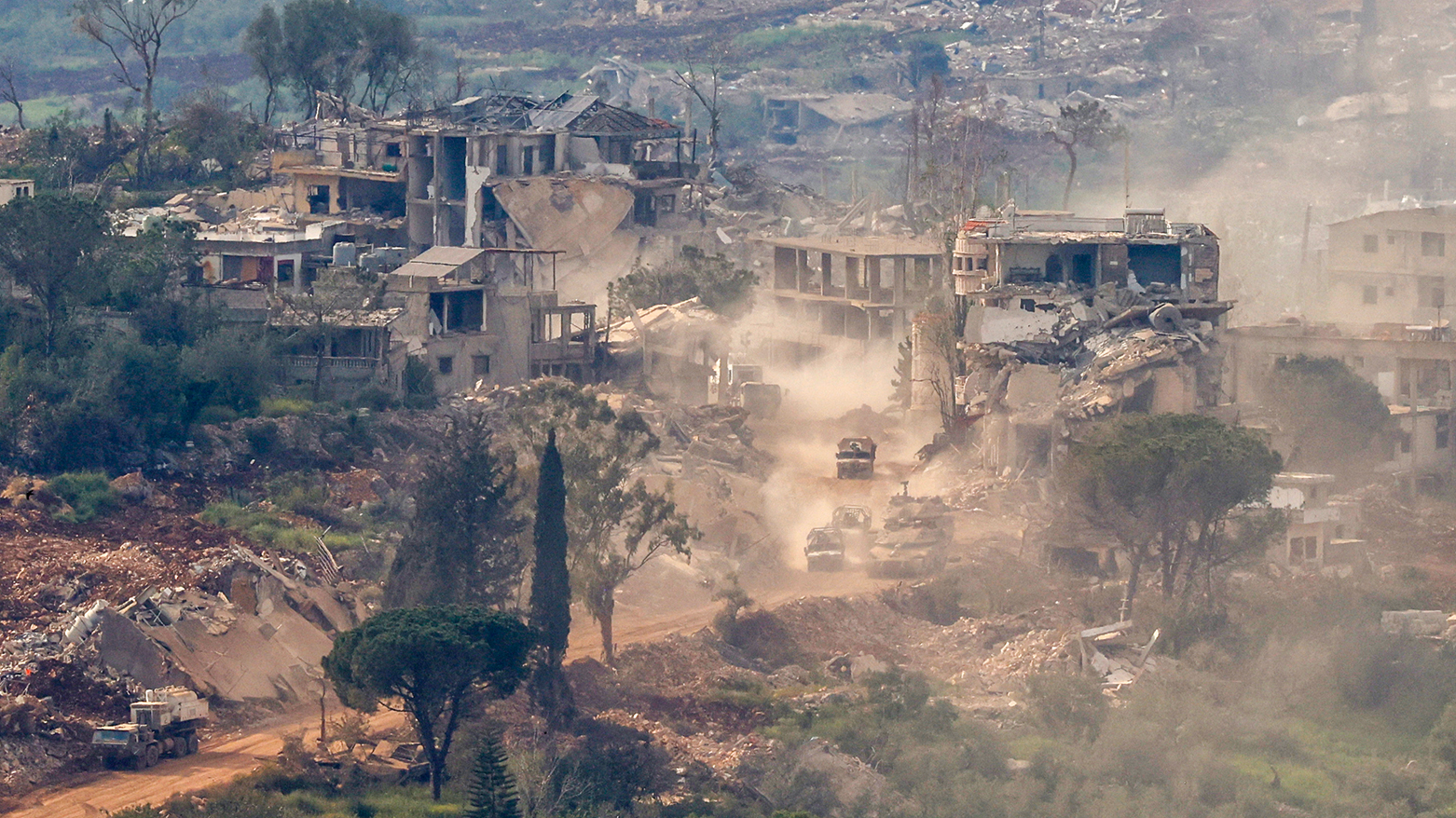
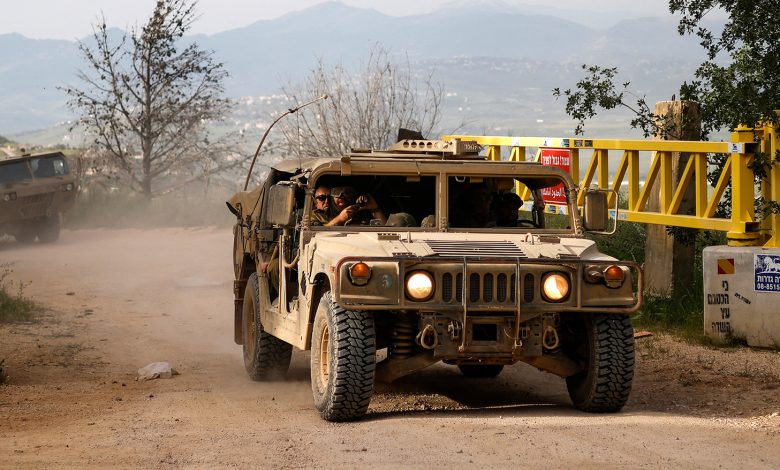
Israeli tanks and military vehicles in southern Lebanon near the Israeli border, April 25, 2026. Lebanon’s health ministry confirmed four fatalities from Israeli strikes on that day despite the active ceasefire. Photo: AFP / Kurdistan24.
🔵 Technology Update
Fiber-Optic FPV Drones: Defeating Israel’s Electronic Warfare
According to reporting by the Times of Israel, Hezbollah deployed small first-person-view (FPV) drones guided by fiber-optic cables during the Taybeh attack. The fiber-optic guidance system is a significant tactical development: by transmitting control signals through a physical cable rather than a radio link, the drones are effectively immune to electronic jamming, which forms a core pillar of Israel’s drone defense architecture. (Note: fiber-optic FPV drone use is confirmed by a single source, the Times of Israel. Strategy Battles treats this as credible but unverified by a second independent outlet at time of publication.)
This mirrors a technique developed extensively by Ukrainian and Russian forces in the war in Ukraine, where fiber-optic FPV drones have been used to target armored vehicles in electromagnetically contested environments. Hezbollah’s adoption of the same technology in Lebanon signals that the group is actively integrating lessons from other modern conflicts into its own operational playbook.
🔴 Retaliatory Strikes
Lebanon’s Deadliest Day Since the Truce: 14 Killed, 37 Wounded
In the hours following Sgt. Fooks’s death, the IDF launched an extensive wave of airstrikes and artillery shelling across southern Lebanon, targeting what it described as Hezbollah infrastructure and rocket-launching squads. Lebanon’s health ministry confirmed at least 14 people were killed and 37 wounded, including two women and two children. This made April 27 the deadliest single day in Lebanon since the ceasefire initially came into force.
The Lebanese National News Agency confirmed strikes across multiple villages inside the security zone, among them Mayfadoun, Shoukine, Yohmar, Arnoun, Zawtar al-Sharqiyah, and Kfar Tebnit. In Zawtar al-Sharqiyah, a mosque and a second religious building were destroyed. Heavy smoke was observed rising over Nabatieh al-Fawqa as residents fled northward, causing significant traffic along major corridors.
Since the truce took effect, Israeli strikes have killed at least 36 people in Lebanon according to an AFP tally. The IDF, for its part, states it has eliminated 46 Hezbollah operatives in southern Lebanon over the same two-week period.
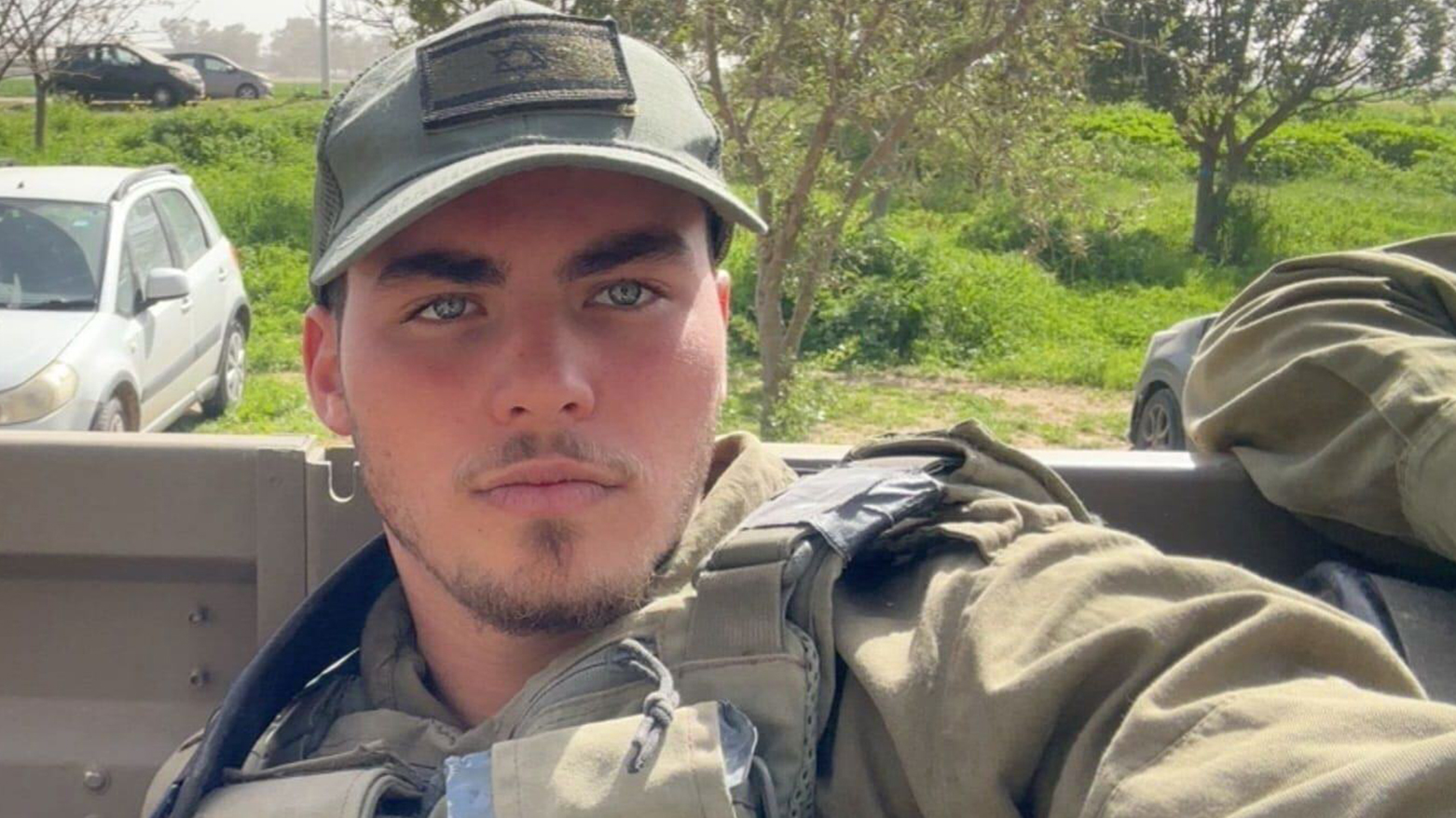
Sgt. Idan Fooks, 19, killed in a Hezbollah drone attack in southern Lebanon, April 26, 2026. Photo: Times of Israel / Kurdistan24.
🟡 Political Rhetoric
Netanyahu vs. Hezbollah: Dueling Narratives on Ceasefire Blame
The military escalation has been accompanied by a sharp hardening of political rhetoric. Speaking at a weekly cabinet meeting on Sunday, Prime Minister Benjamin Netanyahu accused Hezbollah of “dismantling the ceasefire” through what he described as repeated lawlessness. Netanyahu declared that Israel would maintain “freedom of action” and act with a “strong hand” to restore security to northern Israel.
PM Netanyahu — Cabinet Meeting, April 27, 2026
“We will act with a strong hand to restore security to northern Israel. Israel will maintain freedom of action not only to respond to attacks, but to neutralize emerging threats.”
Hezbollah issued a direct rebuttal, rejecting accusations that it was undermining the truce. In a formal statement, the group argued that its operations constituted a defense against “continued occupation of Lebanese territory” and that its resistance would persist as long as Israeli forces remained inside Lebanon.
The US-mediated ceasefire text permits Israel to act against “planned, imminent or ongoing attacks.” The scope of that clause has become the central point of legal and operational contention. Israel interprets any Hezbollah movement of infrastructure or personnel as a thwartable threat; Hezbollah frames Israeli operations within Lebanon as a violation of sovereignty mandating a kinetic response. Neither reading is compatible with the other.
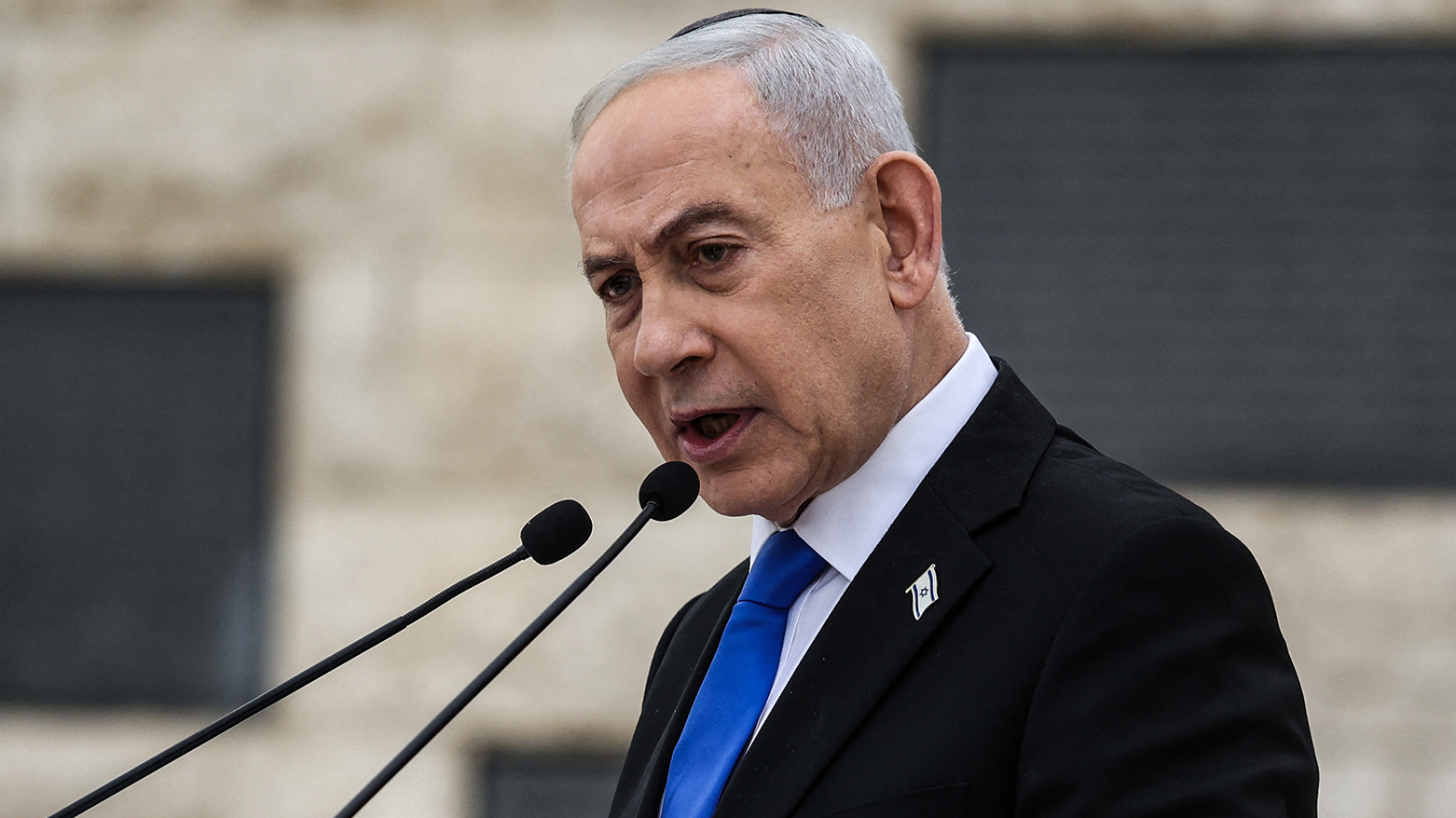
Israeli Prime Minister Benjamin Netanyahu at the Military Cemetery on Mount Herzl in Jerusalem during Israel’s Remembrance Day ceremony, April 21, 2026. Photo: Ilia Yefimovich / AFP / Kurdistan24.
🔵 Regional Friction
UNIFIL Under Fire: Indonesian Peacekeeper Death Adds International Dimension
The volatile security climate is further complicated by the presence of the UN’s UNIFIL peacekeeping force. On Sunday, UNIFIL held a memorial service for Indonesian Corporal Rico Pramudia, 31, who died from wounds sustained in a blast on March 29 at his base in Adchit Al Qusayr. His death brings to six the number of peacekeepers killed since the conflict resumed on March 2.
A preliminary UN investigation cited by AFP indicated that an Israeli tank shell caused the explosion that fatally wounded Corporal Pramudia. The IDF has not publicly confirmed this finding. The death of a UN peacekeeper from a belligerent’s fire introduces a second layer of international pressure onto an already fragile diplomatic situation.
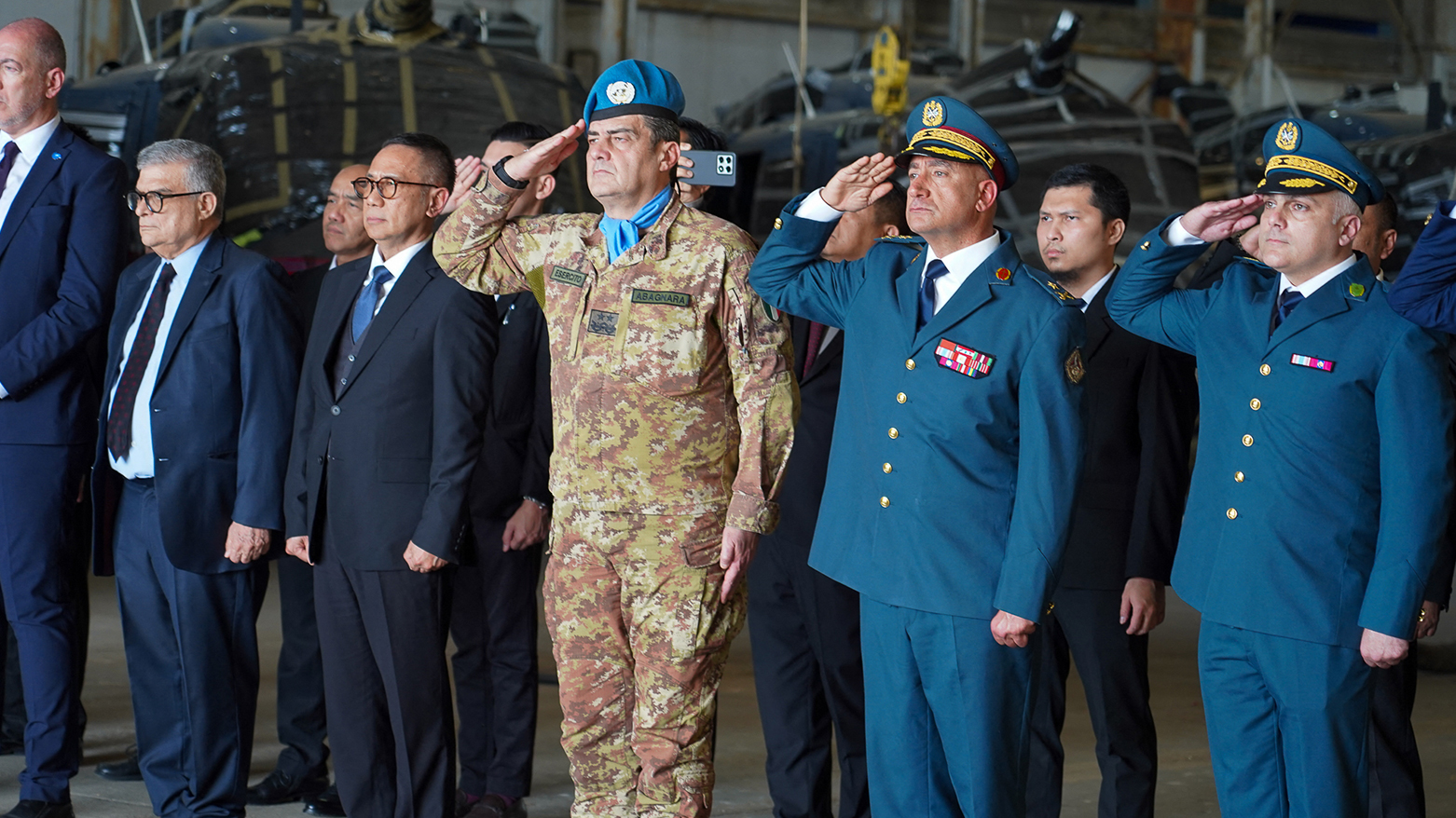
UNIFIL officials honor Indonesian Corporal Rico Pramudia during a ceremony at Beirut International Airport, April 26, 2026. His death brings the peacekeeper toll to six since March 2. Photo: UNIFIL / AFP / Kurdistan24.
🔴 Conflict Totals Since March 2
Human Toll: 2,500+ Lebanese Dead, 18 Israelis Killed Since Hostilities Resumed
Since the broader hostilities resumed on March 2, the conflict has exacted a severe toll. Lebanon’s health ministry reports that more than 2,500 people have been killed in Israeli strikes since that date, a figure encompassing both combatants and civilians. The IDF maintains it has killed approximately 1,700 Hezbollah operatives over the same period. Two Israeli civilians and 16 IDF soldiers have died in the fighting according to Times of Israel figures.
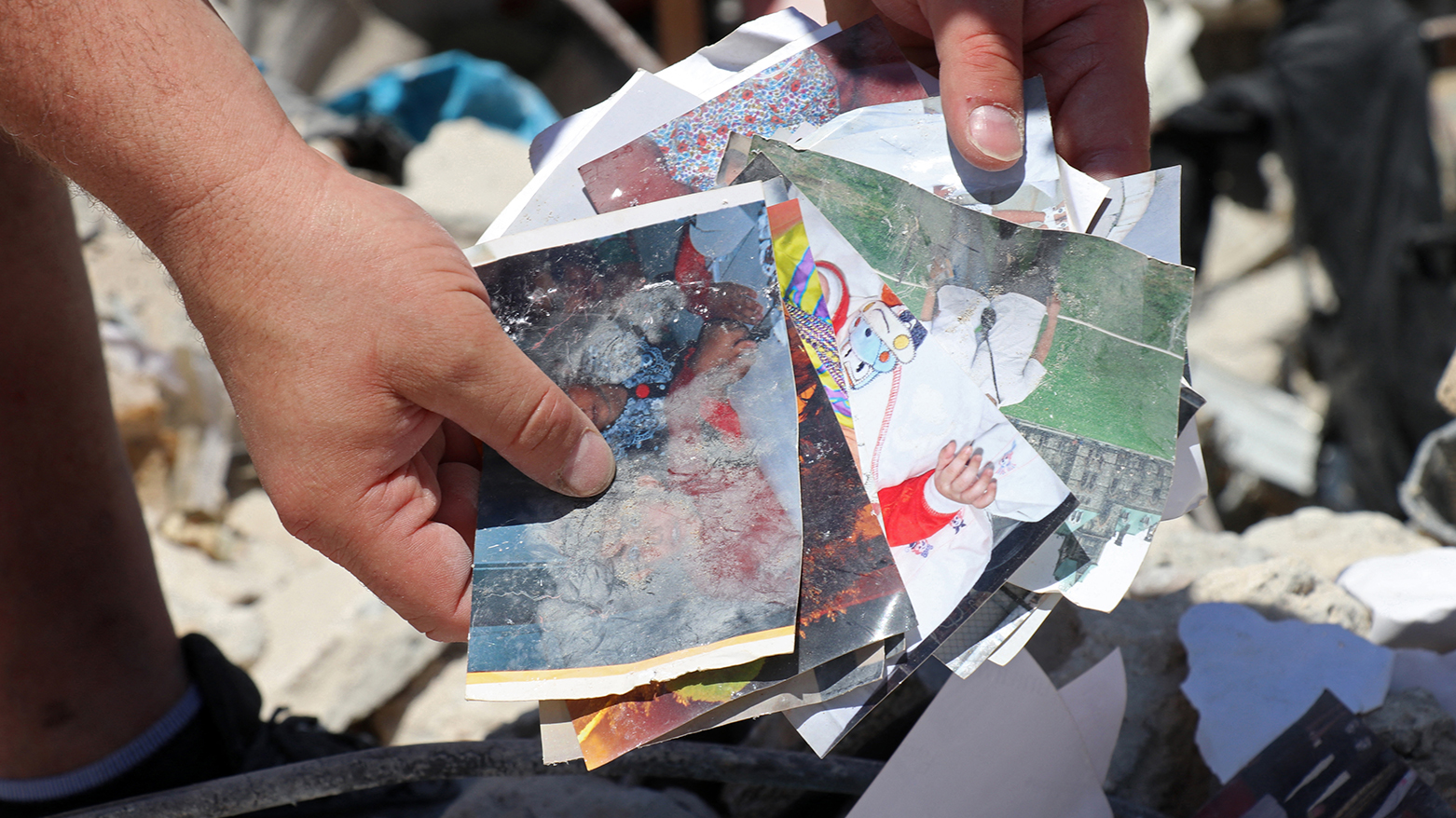
Mohamad Ali Hijazi searches the rubble of his home in Tyre for family mementoes, April 23, 2026. His family was killed in an Israeli strike minutes before a previous ceasefire came into effect. Photo: AFP / Kurdistan24.
Strategy Battles Assessment
The killing of Sgt. Fooks is a tactical and symbolic threshold crossing. All three previous IDF fatalities in southern Lebanon since the ceasefire were attributable to pre-planted explosives, which Hezbollah and Israel could both frame as residual hazards rather than deliberate acts of war. A fiber-optic FPV drone strike on an active repair crew is unambiguously intentional, real-time combat. Hezbollah chose the timing, the target, and the method with full operational awareness of what it was doing.
The fiber-optic guidance system is not a minor technical footnote. Israel’s layered electronic warfare capabilities have long been a decisive advantage in degrading drone threats from Hezbollah and other Iran-backed actors. If Hezbollah can field FPV drones that are resistant to jamming at scale, that advantage is partially nullified. The question for Israeli defense planners is whether this capability is isolated to a small number of units or is being distributed more broadly through Hezbollah’s operational structure.
The “yellow line” security zone is the structural fault line here. Israel’s presence inside Lebanese territory at a 10km depth is the stated justification for every Hezbollah strike since the truce took effect. That presence was agreed as part of the ceasefire framework, but the framework gave neither side a clean enforcement mechanism. What exists instead is a feedback loop: IDF operations inside Lebanon trigger Hezbollah responses, which trigger IDF retaliation, which kills Lebanese civilians, which provides Hezbollah with its next justification. Trump’s extension of the ceasefire last Thursday has not interrupted this cycle. Unless an enforcement mechanism with real consequences is introduced, the ceasefire exists in text only.
Strategy Battles — Related Coverage
Sources
- Kurdistan24 — IDF Soldier Killed in South Lebanon Drone Attack as Fatal Escalation Strains Ceasefire (April 27, 2026)
- Times of Israel — Sgt. Idan Fooks KIA; Fiber-Optic FPV Drone Reporting (April 27, 2026)
- AFP — Lebanese NNA Confirms Strikes; Casualty Tally Since Truce (April 27, 2026)
- UNIFIL — Statement on Death of Indonesian Corporal Rico Pramudia (April 24, 2026)
Editorial Verification
The death of Sgt. Idan Fooks is confirmed by the IDF and Times of Israel. The Lebanese Health Ministry figure of 14 killed is sourced to Lebanon’s official health ministry and cross-referenced with an AFP tally. Hezbollah’s claim of responsibility is confirmed via official Hezbollah statement. The fiber-optic FPV drone detail is reported by a single source (Times of Israel) and is noted as unverified by a second outlet at time of publication. UNIFIL Corporal Pramudia’s death is confirmed by UNIFIL’s own statement. The preliminary UN finding that an Israeli tank shell caused the explosion is attributed to AFP citing the UN investigation and is not independently confirmed by the IDF. Casualty totals since March 2 are drawn from health ministry and Times of Israel figures and represent cumulative running tallies subject to revision. All editorial assessments are clearly labelled as Strategy Battles analysis and do not represent positions of any government.
Approved for Publication
Marcus V. Thorne
Lead Editor, Strategy Battles
©StrategyBattles.net 2026
This article is for news and analysis purposes only. Based on publicly available news sources and military updates. All rights reserved. Not for commercial reuse without permission.