Missile Debris from Intercepted Attacks Injures Four in Doha as Saudi Defenses Down Iranian Missiles and Drones
Executive Summary
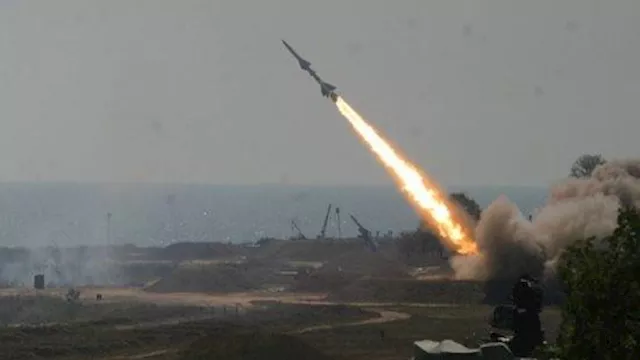
Missile debris from intercepted attacks injured four people, including a child, in Doha, Qatar. The fragments struck a house in the Marikh area after Saudi air defenses destroyed multiple ballistic missiles and drones targeting the kingdom’s Eastern Province. Saudi officials reported successful interceptions with no damage on their territory, while Qatari authorities confirmed civilian casualties and material damage. The incidents are part of a broader wave of aerial threats on Gulf states since late February.
6
ATTACKS INTERCEPTED
5
DRONES DESTROYED
1
BALLISTIC MISSILE DESTROYED
4
CIVILIAN INJURIES IN DOHA
🔴 Section One
Claim Analysis — Fact-Check Verdict
Saudi and Qatari officials reported successful interceptions of incoming missiles and drones, with debris causing civilian injuries in Qatar. Saudi statements emphasized the effectiveness of their layered air defense systems, while Qatari authorities focused on the humanitarian impact and urged calm.
SOURCE: SAUDI DEFENSE MINISTRY & QATARI INTERIOR MINISTRY
“Saudi air defenses intercepted and destroyed multiple ballistic missiles and drones; debris injured civilians in Doha.”
Saudi spokesperson Maj. Gen. Turki al-Maliki stated the systems successfully neutralized threats without damage in the kingdom. Qatari officials confirmed four injuries, including a child, and material damage in the Marikh area. No independent geolocated footage of the exact impact has been publicly released, but both governments’ statements align on the sequence of interceptions and civilian effects.
🔵 Section Two
Strategic Context and Implications
The latest incidents highlight the growing risk of spillover from the ongoing regional conflict into civilian areas of the Gulf. Saudi Arabia’s advanced, multi-layered air defense network — bolstered by Western technology — has repeatedly demonstrated effectiveness against ballistic missiles and drones. However, debris from interceptions continues to pose a direct threat to neighboring countries, as seen in Doha.
Qatar, which hosts major US military facilities and plays a key mediation role in the region, now faces tangible civilian consequences. The pattern of attacks since late February underscores vulnerabilities in critical energy infrastructure and populated zones across the Gulf Cooperation Council states. Diplomatic efforts to de-escalate, including potential backchannel talks, run parallel to these kinetic exchanges.
The involvement of Pakistani mediation in separate Iran-US contacts (reported elsewhere today) suggests parallel tracks of military pressure and diplomatic maneuvering. Long-term, repeated debris incidents could strain intra-Gulf relations, increase insurance and defense costs, and complicate energy market stability.
Strategy Battles — Related Coverage
Sources
- • SANA — Missile Debris Injures Four in Doha
- • Asharq Al-Awsat — Saudi Interceptions Reported
- • Reuters — Gulf Security Updates (related)
©StrategyBattles.net 2026
This article is for news and analysis purposes only. It is based on publicly available news sources and military updates. All rights reserved. Original reporting may come from various open sources. Not for commercial reuse without permission.