Iran Starts Collecting Tolls in Strait of Hormuz First Revenue Claimed Amid U.S. Blockade
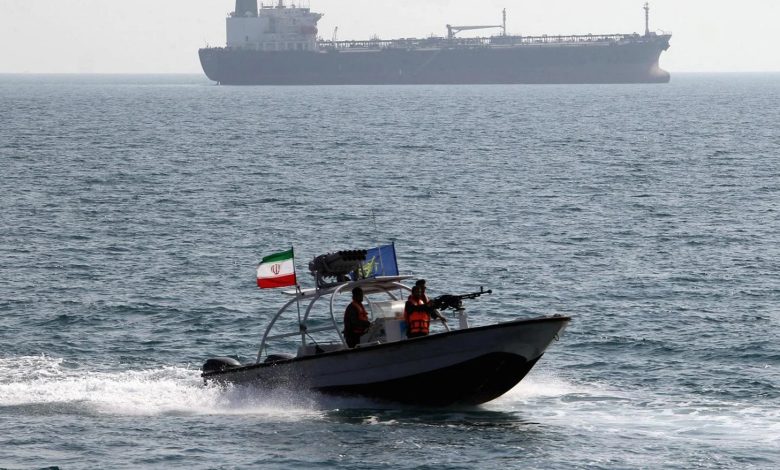
FIRST REVENUE
CLAIMED FROM TOLLS
$2 MILLION+
PER SHIP REPORTED
20% GLOBAL OIL
THROUGH HORMUZ
U.S. BLOCKADE
ONGOING
Iran has claimed its first revenue from imposing tolls on vessels transiting the Strait of Hormuz, amid a deepening maritime standoff with the United States. The announcement comes as Tehran continues to assert control over the critical chokepoint, which carries roughly 20% of global oil trade.
According to Iranian sources, select ships have already paid transit fees — reportedly up to $2 million per vessel in some cases — for safe passage. The move is part of Tehran’s broader strategy to generate income and exert leverage while facing a U.S. naval blockade on Iranian ports.
The toll system has sparked international concern, with critics arguing it violates freedom of navigation principles under international maritime law. The development occurs against the backdrop of fragile ceasefire efforts and ongoing tensions in the region.
🔴 WHAT CAN GO WRONG
Escalation Risk
Imposing tolls on one of the world’s most vital shipping lanes risks direct confrontation with the U.S. Navy. Any attempt to enforce payments by force could trigger a naval incident, further destabilising energy markets and escalating the current maritime standoff.
🟡 COSTS & LIMITATIONS
Economic and Diplomatic Backlash
While the tolls generate short-term revenue, they risk alienating shipping companies and insurance markets. Higher costs for oil transport could raise global energy prices, while diplomatic isolation may limit Iran’s ability to negotiate future sanctions relief.
🔵 BIGGER PICTURE
Strategic Leverage in the Gulf
By turning the Strait of Hormuz into a revenue stream, Iran is demonstrating its ability to weaponise a key global chokepoint. This move strengthens Tehran’s negotiating position in any future talks while signalling to the U.S. and Gulf states that it can disrupt energy flows even under blockade.
Strategy Battles Assessment
Iran’s claim of first toll revenue marks a significant escalation in its maritime strategy. While the amounts remain modest for now, the precedent is dangerous. It tests the limits of U.S. blockade enforcement and could force shipping companies into difficult choices. The real test will be whether Tehran can actually collect these fees without triggering a military response.
Strategy Battles — Related Coverage
Sources
Editorial Verification
Claims attributed to Iranian officials and reported by Anadolu Agency and Kurdistan24. Toll amounts remain unverified by independent shipping sources. Situation developing as of April 23, 2026.
Approved for Publication
Marcus V. Thorne
Lead Editor, Strategy Battles
©StrategyBattles.net 2026
This article is for news and analysis purposes only. It is based on publicly available news sources and military updates. All rights reserved. Original reporting may come from various open sources. Not for commercial reuse without permission.