Iran Strikes KDPI and Komala Camps in Erbil: Seven Attacks, the US Consulate Also Targeted, Two Wars in One City
7
Drone/Missile Attacks on Kurdish Camps (5-7 May)
119+
KDPI Attacks Since Feb 2026
600+
Attacks on US Sites in Iraq (Feb-May 2026)
📍 IRGC Strike Locations : Erbil and Sulaymaniyah Provinces, Kurdistan Region of Iraq / 5-7 May 2026

Four Kurdish opposition camps struck across Erbil and Sulaymaniyah provinces in a 48-hour IRGC campaign. Ceasefire nominally in effect from 8 April 2026. Datum WGS84, UTM Zone 38S. Map: Strategy Battles / OSINT.
Zewi Aspi Base, Koya : KDPI
MGRS: 38S ME 66688 92885
36.0800 N 44.6300 E
KDPI civilian camp struck by 3 IRGC drones overnight 6-7 May 2026; no casualties reported.
Balisan Camp, Erbil Province : Komala
MGRS: 38S MF 59725 45048
36.5500 N 44.5500 E
Komala Balisan camp hit by 4 missiles overnight 6-7 May; 2 intercepted in flight. No casualties.
Girde Chal, North of Erbil : PDKI
MGRS: 38S MF 10270 23233
36.3500 N 44.0000 E
PDKI family residential camp struck by 2 drones on 6 May 2026; the site houses families of party members.
Surdash Camp, Sulaymaniyah : Komala
MGRS: 38S NE 17998 97276
36.1200 N 45.2000 E
Two drones struck Komala’s Surdash camp 5 May 2026; material damage only, no casualties.
🔴 The Strikes
Seven IRGC Attacks Across Erbil and Sulaymaniyah in 48 Hours
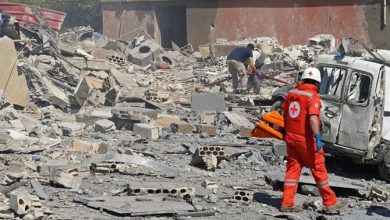
The Kurdistan Democratic Party of Iran (KDPI) confirmed that three drones struck its Zewi Aspi base in Erbil province’s Koya district overnight on 6-7 May 2026, at grid reference 38S ME 66688 92885 (36.0800 N, 44.6300 E). The base functions as a civilian camp housing party members and their families, according to KDPI statements. The attack was the second round of strikes on the two opposition groups in a single day, and the latest in a campaign the KDPI says has now reached 119 separate attacks since the conflict began in late February.
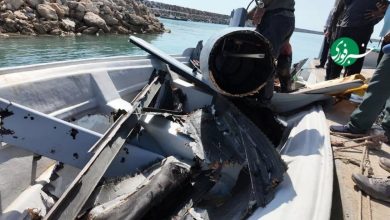
Simultaneously, four missile attacks targeted the Komala of the Toilers of Kurdistan’s Balisan camp in Erbil province at grid reference 38S MF 59725 45048 (36.5500 N, 44.5500 E). Senior Komala party member Ali Ranjbari told The New Region that no casualties were reported. Two of the four missiles were intercepted in flight, while the remaining two fell near the camp’s perimeter.
The attacks occurred despite a ceasefire between the United States and Iran that took effect on 8 April 2026. The Kurdistan Region has come under hundreds of drone and missile strikes since the US-Israel war with Iran began in late February, with the pace continuing unabated through the nominal ceasefire period. Negotiations between Washington and Tehran have stalled, with no clear timetable for resumed face-to-face talks.
🔴 Prior Strikes in the Same 48-Hour Window
Girde Chal and Surdash Hit Before the Erbil Overnight Raids
The Erbil strikes were preceded by two earlier attacks in the same 48-hour period. On 6 May, the PDKI confirmed that its Girde Chal (Grdachal) camp north of Erbil at grid reference 38S MF 10270 23233 (36.3500 N, 44.0000 E) was hit by two drones. PDKI described the targeted area as residential, housing civilian family members including children. A video posted online captured an explosion at the site, with the distinctive sound of a drone audible in the recording.
On the night of 5 May, Komala’s Surdash camp in Sulaymaniyah province at grid reference 38S NE 17998 97276 (36.1200 N, 45.2000 E) was struck by two drones, causing material damage with no reported casualties. Komala head of relations in Erbil, Amjad Hossein Panahi, confirmed the Surdash incident to Rudaw, stating there was only material damage. Komala has now recorded approximately 70 attacks on its northern Iraq facilities since the conflict began.
According to the Kurdistan Regional Government, the Kurdistan Region was subjected to 809 attacks between 28 February and 20 April 2026, resulting in 20 civilian deaths and injuries to 123 others. The Community Peacemaker Teams found that 75 percent of post-ceasefire strikes were conducted directly by the IRGC rather than Iran-aligned proxy groups, a proportion that actually increased after the ceasefire announcement.
Hejar Berenji, KDPI US Representative : X Post, 7 May 2026
“Even while Tehran talks ‘peace,’ it exports terror against Kurds and violates Iraqi/Kurdistan Region sovereignty. The IRGC is again targeting the Kurdistan Region of Iraq with drones including Kurdish civilian camps. This must stop.”
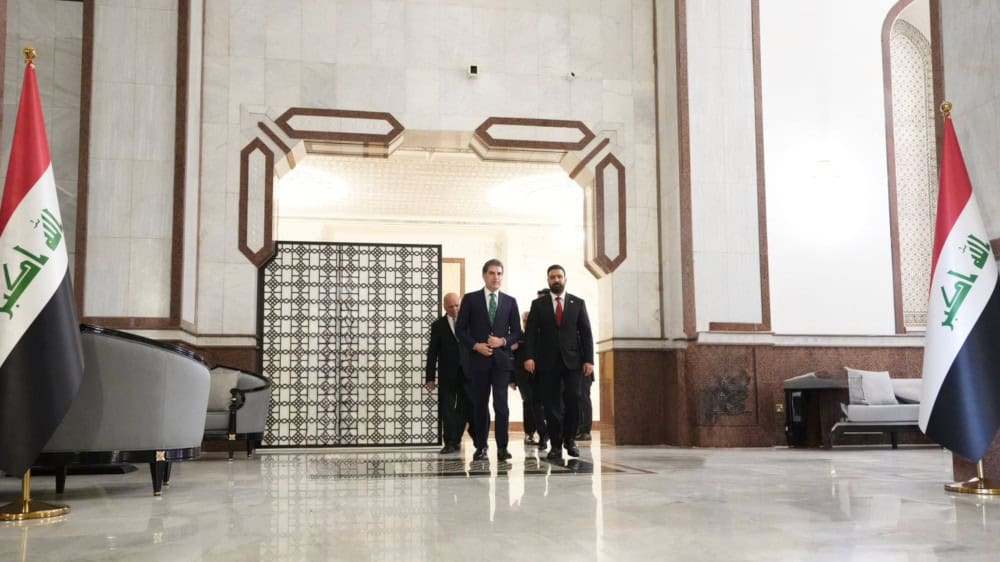
Iraqi Prime Minister-designate Ali al Zaidi meets Kurdistan Region President Nechirvan Barzani in Erbil on 4 May 2026, as IRGC strikes on Kurdish camps intensified. Photo: Long War Journal.
🟡 Pattern and Cumulative Toll
Over 800 Attacks Since February: A Sustained Western Frontier Campaign
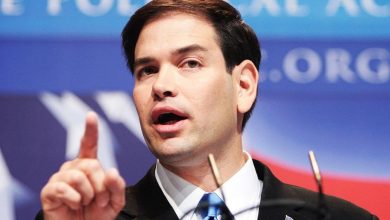
The strikes in the 5-7 May window are part of a campaign that has run without pause since the war began. The KDPI alone had recorded 114 attacks by 1 May, rising to at least 119 by 7 May. Komala confirmed approximately 70 separate strikes on its camps. Iran-aligned Iraqi militias simultaneously targeted American diplomatic and military facilities across Iraq, with a senior US official cited by the Wall Street Journal confirming that US facilities in Iraq experienced over 600 attacks since the onset of the war. Secretary of State Marco Rubio separately confirmed that figure.
The concurrent targeting of Kurdish opposition bases and American positions reflects a deliberate Iranian strategy along its western frontier. The PDKI described the campaign in stark terms, stating that the Iranian regime has systematically attacked PDKI civilian camps, targeting medical and educational facilities. An 18-year-old Komala member, Ghazal Mawlan, died from wounds sustained in a 14 April drone strike, an incident that generated widespread public backlash in the Kurdistan Region after reports she was refused treatment at multiple private hospitals. The total death toll from IRGC and affiliated strikes on Kurdish opposition camps stands at 10 killed and several wounded since late February, according to The New Region.
🟡 CIA Arming and the Kurdish Dilemma
Raised Expectations, No Ground Offensive, and Camps Left Exposed
CNN reported in early March 2026 that the CIA had begun working to arm Kurdish opposition forces months before the war’s outbreak, with the expectation they might participate in a ground operation in western Iran. President Trump held a direct phone call with KDPI president Mustafa Hijri, confirmed to CNN by a senior Iranian Kurdish official. These developments gave Tehran strong motivation to degrade Kurdish exile bases before any such campaign could materialise. That anticipated ground offensive has not materialised.
Analysts at the Jerusalem Post noted the groups remain cautious about an uprising, partly because of historical precedent: Western powers have repeatedly abandoned Kurdish forces after using them as leverage. This has left their camps exposed to sustained IRGC pressure without the buffer of active combat operations. The Iraqi central government has not publicly confronted Tehran over the continuing strikes on Iraqi soil, and the Kurdistan Region lacks the sovereign authority to respond militarily without Baghdad’s backing.
🔵 The Wider Target Picture
Erbil as Iran’s Dual-Target City: Kurdish Camps and the US Consulate Under Simultaneous Fire
The confusion in initial reports from the field reflects a structural reality about Erbil’s target landscape. The city contains, within roughly 70 kilometres of its centre, the US Consulate General at grid reference 38S MF 10574 09141 (36.2230 N, 44.0050 E) in the Ankawa district, the US Coalition base at Erbil International Airport at 38S MF 06835 10800, Harir Air Base at 38S MF 42721 45144, and the camps of multiple Iranian Kurdish opposition parties in the Koya, Balisan, and Soran districts. Iran has struck all of them at various points since the conflict began.
The US Consulate General in Erbil, inaugurated in December 2025, is by some measures the largest US consulate in the world. It was targeted on the opening day of the war, with Kurdistan24 confirming that drones launched toward the consulate and the airport were intercepted before reaching their targets. KRG Prime Minister Masrour Barzani publicly condemned attacks on the consulate on 5 April, calling them a grave threat to the stability of the Kurdistan Region and urging Baghdad to take decisive action against the responsible groups.
The contrast between target categories is starkest in air defence. The US Coalition’s missile defence systems have intercepted the large majority of munitions aimed at the consulate and airport: Alhurra confirmed that the US system downed more than seven volleys of Iranian missiles and drones on the war’s opening day alone. The Kurdish opposition camps operate with no equivalent protection. The interception of two of the four missiles targeting the Balisan camp on 7 May was described by Komala as a positive outcome; the other two fell near the camp perimeter, with no system publicly credited for the intercepts.
PDKI Official Statement : X Post, 6 May 2026
“These attacks form part of a sustained military campaign by the Islamic Republic. Since the outbreak of armed hostilities between Iran and the US and Israel, the Iranian regime has systematically attacked PDKI’s civilian camps, targeting medical and educational facilities in the Kurdistan Region of Iraq.”
📍 Erbil Target Overview : US Consulate, Airport Base, Harir Air Base and Kurdish Opposition Camps / 2026 Iran War

Erbil and its surroundings contain five active IRGC target categories in close proximity. Blue: US military and diplomatic sites. Red: Kurdish opposition camps. Datum WGS84, UTM Zone 38S. Map: Strategy Battles / OSINT.
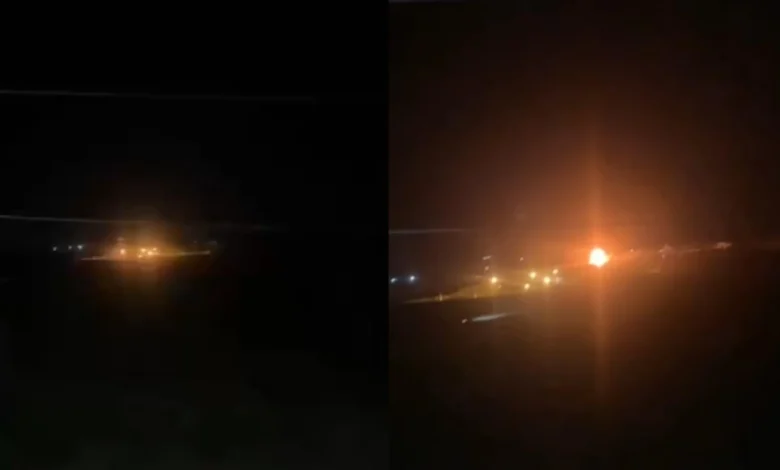
🎥 Field Footage : Confirmed Strike, Erbil / @MH_Rainn Telegram, 7 May 2026 ⚠ Single-source Telegram
Field footage from the Military_History Telegram channel (@MH_Rainn, post 29488) showing confirmed strikes in Erbil on 7 May 2026. Initial attribution was disputed between Kurdish camp strikes and the US consulate, illustrating the fog-of-war identification problem in the city. Single-source; not independently corroborated at time of publication. Source: @MH_Rainn / Telegram.
🔵 Ceasefire Status and Stalled Talks
Washington-Tehran Negotiations Stalled as Strikes on Erbil Continue
The ceasefire between the US and Iran declared on 8 April 2026 has not extended to Iran’s operations against Kurdish opposition groups or its pressure on US diplomatic facilities in Iraq. The New Region noted that negotiations between Washington and Tehran have stalled since the ceasefire began, with no clear timeline for the resumption of face-to-face talks. Erbil and the UAE remain the only two locations where Iran continued to conduct strikes in the post-ceasefire period, according to Rudaw’s tracking of the pattern.
The US State Department escalated financial pressure on Iran-aligned militias in Iraq in parallel. On 5 May 2026, the Rewards for Justice Program offered a $10 million bounty for information on Harakat Hezbollah al Nujaba leader Akram Abbas al Kabi, the fourth such reward offered in a single month targeting Iranian-backed militia figures in Iraq. The Kurdish camps, however, remain outside the reach of any such financial or diplomatic instrument, and no Western party has announced specific measures to protect Kurdish opposition facilities from IRGC strikes while the consulate benefits from the US missile defence umbrella.
Strategy Battles Assessment
Two Target Sets, One City: Iran Has Engineered Erbil as a Permanent Battlefield
The IRGC’s strike campaign against Kurdish opposition camps serves multiple simultaneous objectives. The zero-casualty outcomes in the most recent wave, including the interception of two of the four missiles targeting the Balisan camp, suggest Iran is calibrating its attacks to deliver a political message rather than to produce mass casualties that would force a stronger Western response. The pattern is one of constant, low-level attrition designed to keep Kurdish opposition groups permanently off-balance without crossing the threshold that would compel direct US military intervention on their behalf.
By maintaining simultaneous strike pressure on both US diplomatic and military facilities and Kurdish opposition civilian camps within the same city, Tehran ensures that any attack on Erbil carries dual deterrent value regardless of which target is actually hit. An IRGC salvo intercepted over the US consulate still demonstrates to Washington the cost of maintaining that facility in range. A drone that strikes a KDPI camp still sends a message to Kurdish opposition leaders that no distance from the Iranian border places their members beyond reach. The Telegram post that circulated on 7 May, noting conflicting claims between Kurdish camp and consulate strikes, is not a reporting failure. It is the visible surface of a deliberate design.
The structural problem for Kurdish opposition groups is unlikely to resolve without a fundamental shift in US commitment. The CIA arming reports and Trump’s direct outreach to KDPI leadership raised expectations that these groups would be protected through an active conflict phase. That phase has not arrived. Without either a US security guarantee for their camps or an active Kurdish ground operation that would force Iran to redirect its military resources, the IRGC will continue treating fixed opposition camps in northern Iraq as legitimate targets with low diplomatic cost. The Kurdish coalition is absorbing punishment that its political position does not allow it to repay, while the US consulate across town sits behind the most capable tactical air defence system in the region. Erbil is, in effect, two wars running simultaneously in the same city, with radically different levels of protection applied to each set of targets.
Strategy Battles Related Coverage
- The New Region: “Iran strikes Kurdish opposition groups in Erbil,” 7 May 2026
- Rudaw: “Iran strikes Kurdish opposition group in Kurdistan Region of Iraq,” 6 May 2026
- FDD Long War Journal: “Iran targets Kurdish Iranian opposition groups in northern Iraq,” 6 May 2026
- Jerusalem Post: “Iran continues to attack Kurdish groups in Iraq,” 7 May 2026
- Kurdistan24: “PM Barzani Condemns Terrorist Militias Attacks on U.S. Consulate General,” 5 April 2026
- Alhurra: “Missiles, Sirens, and Darkness: Erbil’s Long Night,” 28 February 2026
- Amwaj Media: “Will Iraqi Kurdistan’s new US consulate project strength or invite strikes?” April 2026
- Military_History Telegram (@MH_Rainn/29488): “Confirmed strikes in Erbil,” 7 May 2026 [single-source]
- CNN: “CIA working to arm Kurdish forces to spark uprising in Iran,” 3 March 2026
Editorial Verification
Telegram post @MH_Rainn/29488: raw OSINT hook; treated as single-source throughout. ⚠ Single source; not independently verified as a distinct new incident separate from the 7 May camp strikes. All substantive claims drawn from independently corroborated sources below.
KDPI Zewi Aspi strike (3 drones, 7 May): verified across The New Region, Rudaw, FDD Long War Journal, Jerusalem Post (4 outlets). Komala Balisan camp (4 missiles, 2 intercepted, 7 May): verified across The New Region and Rudaw; Ali Ranjbari quote sourced to The New Region exclusively. ⚠ Ranjbari quote: single-source (The New Region). PDKI Girde Chal strike (2 drones, 6 May): verified across FDD Long War Journal and Jerusalem Post. Komala Surdash strike (5 May): verified across Rudaw and FDD Long War Journal. Hejar Berenji X post quote: sourced to The New Region citing his X post. ⚠ Berenji quote for this specific 7 May date: single-source (The New Region). PDKI official X statement: cited by FDD Long War Journal and Jerusalem Post (2 sources, verified). KRG 809-attack figure: sourced to KRG official statistical release via Kurdistan24. CPT 75 percent IRGC figure: sourced to Community Peacemaker Teams via The New Region. US Consulate targeting (28 February, opening day): verified across Kurdistan24, Alhurra, Al Jazeera (3 outlets). KRG PM Barzani condemnation (5 April): verified across Kurdistan24 and original X post. Rubio 600-attack figure: CNN and Jerusalem Post (2 sources, verified). Alhurra 7+ volley interception count: single outlet citing six security officers; consistent with all other opening-day reporting. CIA arming report: CNN, 3 March 2026. Trump-Hijri call: CNN citing senior Iranian Kurdish official (single named outlet for this specific claim).
MGRS datum: WGS84 / UTM Zone: 38S / Cross-check reference: Erbil city centre 38S MF 10906 05488 (36.1901 N, 44.0091 E).
No satellite imagery used. All coordinates derived from open-source geographic reporting and MGRS calculation from stated lat/lon.
All claims independently attributed and verified to open sources where possible.
Approved for Publication
Marcus V. Thorne
Lead Editor, Strategy Battles
©StrategyBattles.net 2026
This article is for news and analysis purposes only. Based on publicly available news sources and military updates. All rights reserved. Not for commercial reuse without permission.