Operation Epic Fury – Week 7 Summary: Strikes Across Nine Countries
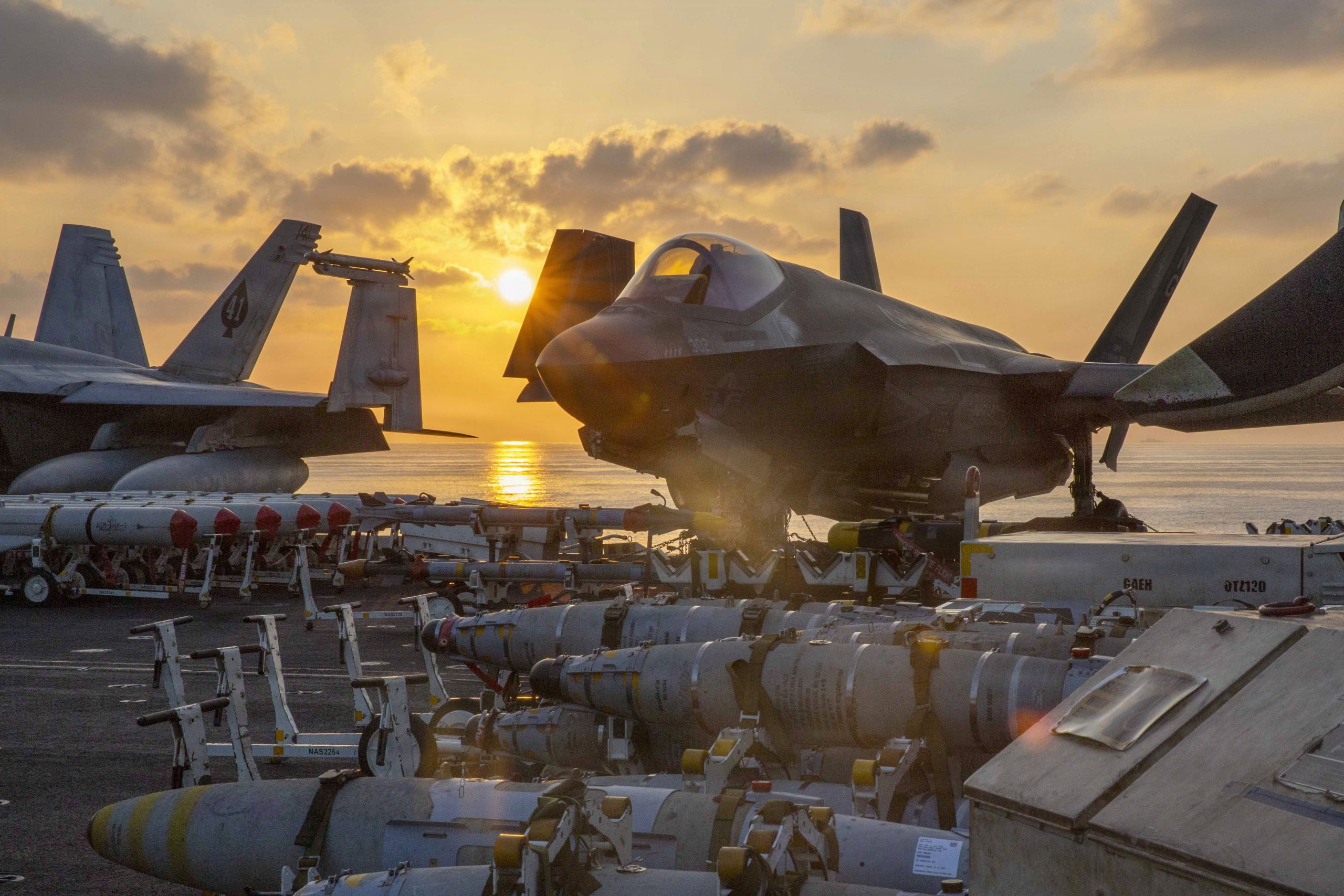
Executive Summary
The final seven days of Operation Epic Fury — April 3 through 10, 2026 — saw the most strategically complex period of the entire 40-day conflict. U.S. and Israeli strikes inside Iran escalated to hit petrochemical complexes, airport infrastructure, and the Natanz nuclear facility, while simultaneously conducting a sustained air campaign against Iran-backed PMF militia networks in Iraq. Iran responded with its most precise and lethal wave of attacks yet against Gulf energy infrastructure, including the Habshan gas complex in the UAE, Kuwait’s largest oil refinery, and multiple ballistic missile salvos toward Israel. Then, hours after a Pakistan-brokered ceasefire was announced on April 8, Israel launched Operation Eternal Darkness — its most intense single-day assault on Lebanon — killing over 300 people in Beirut and the south. This report documents every major strike event, weapon system, location, and outcome in the seven-day period, organised by theatre and country.
300+
Killed in Lebanon in 7 Days
520+
Ballistic Missiles Fired at UAE (War Total)
11,000+
Targets Hit in Iran (War Total — CENTCOM)
50
Israeli Fighter Jets — Eternal Darkness (Apr 8)
70%
Iran Steel Production Capacity Destroyed (IDF Est.)
3,700+
Total Killed Region-Wide (War Total)
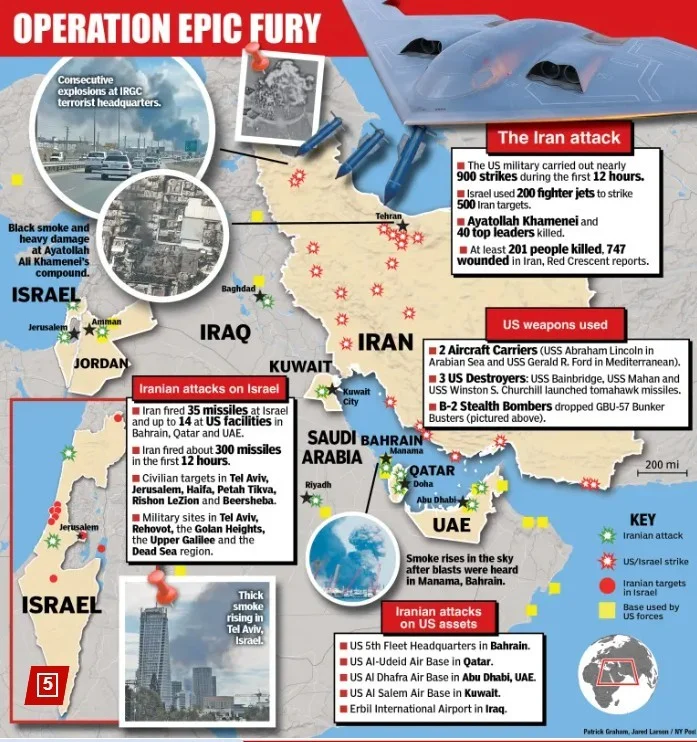
Regional map showing the broad scope of strikes across the Middle East theatre during Operation Epic Fury. Iran launched attacks across 9 countries simultaneously while absorbing U.S.-Israeli strikes across all 31 provinces. Source: Wikimedia Commons / OSINT composite.
🔴 Section One
Iranian Missile and Drone Strikes — By Country, April 3–10
Despite 40 days of sustained U.S.-Israeli strikes targeting Iran’s missile production infrastructure, Iran’s strike rate into the Gulf states during the April 3–10 window remained operationally significant. The Soufan Center assessed that a Western official had confirmed Iran retained the capacity to fire 15–30 ballistic missiles and 50–100 one-way attack drones per day at all combined targets as of early April. The shift in Iran’s strike pattern was notable: individual strikes became smaller in volume but more precise and lethal, increasingly targeting energy and desalination infrastructure rather than purely military targets.
🇦🇪 United Arab Emirates — Strikes Log: April 3–8
April 3: The UAE Ministry of Defence confirmed interception of 18 ballistic missiles, 4 cruise missiles and 47 UAVs in a 24-hour period. Debris from a successful interception caused damage to KEZAD (Khalifa Economic Zones Abu Dhabi) and gas facilities in Habshan and Ajban, injuring 12 people in Ajban and killing one Egyptian national at the Habshan gas facilities where four others were also wounded. The IRGC claimed it targeted American steel industries in Abu Dhabi. Wikipedia’s confirmed UAE strikes log noted total war figures reaching 475 ballistic missiles, 23 cruise missiles, and 2,085 UAVs by this date.
April 8 (Post-Ceasefire): Despite the announced U.S.-Iran ceasefire, the UAE reported its air defences continuing to engage incoming fire — 17 ballistic missiles and 35 UAVs in a single day. A Shahed-type drone struck near the Fairmont The Palm Hotel on Palm Jumeirah, causing a large explosion and fire, injuring four people and shattering windows in surrounding buildings. The Al Minhad Air Base — jointly operated by the UAE, UK Royal Air Force and Australian Defence Force — was also attacked. An oil terminal in Fujairah sustained drone and missile strikes, causing fires with no reported casualties. At Habshan gas complex, two Emiratis and one Indian were injured by interception debris.
War Total (as of April 7): 520 ballistic missiles, 2,221 drones and 26 cruise missiles intercepted and engaged. 13 killed, 224 injured. UAE THAAD and Patriot systems reported burning through approximately 75% of available interceptor stock, per the Jewish Institute for National Security of America.
🇰🇼 Kuwait — Strikes Log: April 3–7
April 3–4: Iran struck the Mina Al-Ahmadi oil refinery — Kuwait’s largest — causing fires across multiple units. The Kuwait Army confirmed its air defence systems were responding to hostile missile and drone threats throughout the period. The Ali Al Salem Air Base sustained a confirmed drone strike, wounding 15 American service members overnight, according to a CBS report cited by Al Jazeera’s Day 39 tracker. A separate Iranian strike hit a desalination plant in Kuwait, threatening the country’s drinking water supply. Iran also struck Camp Arifjan’s tactical operations centre and SATCOM equipment.
April 7: At least three people were killed when rockets launched from Kuwait territory struck a house near Basra in southern Iraq — origin of fire unclear. The incident triggered protests in Basra and the storming of the Kuwaiti consulate by demonstrators.
🇸🇦 Saudi Arabia — Strikes Log: April 3–8
Saudi air defence intercepted at least 18 drones on April 7 according to the Ministry of Defence’s confirmed statement on X. Earlier in the week, up to seven ballistic missiles were engaged over the Eastern Province with debris falling near critical energy facilities. A Saudi oil refinery was also closed during this period following targeting by Iranian drones. Prince Sultan Air Base remained a target throughout — the Wall Street Journal had confirmed a strike earlier in the campaign destroyed a U.S. Air Force E-3 Sentry AWACS aircraft there. Saudi Arabia intercepted three ballistic missiles directly targeting the base. The King Fahd Causeway connecting Saudi Arabia and Bahrain was indefinitely closed as a precautionary measure, per Al Jazeera’s confirmed reporting.
War Total: Saudi Arabia absorbed at least 38 confirmed ballistic missiles and 435 drone attacks since February 28. A recent CNN investigation confirmed Iran had forced a 17% reduction in output from Qatar’s Ras Laffan LNG plants — damage assessed as potentially requiring years to repair.
🇮🇱 Israel — Iranian Incoming Strikes: April 3–8
April 5: An Iranian missile struck a residential building in Haifa, killing at least two people and wounding four others, with two additional people reported missing, according to the Al Jazeera conflict tracker. Iranian state television framed the strike as a response to a U.S.-Israeli attack on the Natanz nuclear enrichment complex the same day, marking a new phase of tit-for-tat targeting.
April 3–7: Iran maintained its pattern of 1–2 missile salvos per day toward Israeli targets, deploying Khorramshahr medium-range ballistic missiles with cluster warhead submunitions dispersed at altitude to complicate interception. ACLED recorded more than 90 attempted strikes against Israel in the first days of the war — by early April this had reduced to an estimated 15–20 missiles per day as production capacity degraded, though individual strikes remained lethal. The Soufan Center assessed that Iran’s strikes on Israel were “increasingly precise and lethal, and able to avoid interception” despite lower overall volume.
Cluster Munition Tactic: Iran continued its use of Khorramshahr MRBMs fitted with cluster warheads, releasing submunitions at approximately 23,000 feet to bypass David’s Sling terminal-phase interception. Read our full technical analysis: Raining Fire: Iran’s Cluster Bomb Missiles Are Beating the World’s Best Air Defenses.

Wreckage of a Shahed-136 Geran-type one-way attack drone — the platform used in vast numbers against Gulf state energy, military and civilian infrastructure throughout the conflict. Iran retained approximately 50% drone production capacity as of early April despite sustained strikes on production sites. Source: Wikimedia Commons.
🟡 Section Two
Weapons Systems in Use — Iranian, U.S. and Israeli Arsenal Analysis
The 7-day window saw the most diverse array of weapon systems deployed in any period of the conflict. Al Jazeera confirmed that U.S. CENTCOM reported using more than 20 distinct weapons systems across air, sea and land throughout the war. The following section profiles the key platforms and their operational performance.
| Weapon System | Type | Range / Payload | Performance / Notes |
|---|---|---|---|
| Shahed-136 / Shahed-238 | One-Way Attack Drone (OWAD) | 2,500 km / 50 kg warhead | Primary area-saturation weapon. Used in swarms to overwhelm point defences. Shahed-238 jet variant harder to intercept. Used against UAE Habshan, Kuwait refineries, Israeli population areas and Gulf shipping. Iran retained ~50% drone production capacity per Western estimates. |
| Khorramshahr MRBM | Medium-Range Ballistic Missile | 2,000 km / MIRVed / cluster warhead variant | Primary Israel-targeting system this week. Cluster warhead variant releases submunitions at ~23,000 ft to defeat David’s Sling terminal defences. IDF Home Front Command confirmed the tactic. Used in Haifa residential strike April 5. |
| Shahab-3 / Ghadr-110 | Medium-Range Ballistic Missile | 1,300–1,800 km / 750 kg warhead | Deployed against Gulf state targets including Saudi Arabia Eastern Province and Qatar. Intercept rate high (THAAD / Patriot) but debris causes secondary casualties and infrastructure damage even on interception. |
| Qader Anti-Ship Cruise Missile | Anti-Ship / Land Attack Cruise Missile | 300 km / 165 kg warhead | Used to target shipping in the Strait of Hormuz and Gulf waters. IRGCN confirmed blowing up 10 commercial vessels. A Kuwaiti crude tanker off Dubai’s coast was also hit by an Iranian drone, setting it on fire. |
| Fiber-Optic Guided Drone | Precision-Guided Attack Drone | Short range / anti-jamming | Deployed by Islamic Resistance in Iraq (IRI) in March 25 attack that struck a U.S. radar and helicopter. Fiber-optic guidance immune to GPS jamming and electronic warfare — a significant tactical development noted by ISW-CTP analysts. |
On the U.S.-Israeli side, the week also saw the first confirmed operational deployment of several advanced systems, as documented by the Wikipedia conflict timeline and Al Jazeera’s weapons tracker.
| Weapon System | User | Type / Role | Deployment Notes |
|---|---|---|---|
| B-2 Spirit Stealth Bomber | USAF | Strategic Bomber / Bunker-Buster Delivery | Used from Day 1 to attack hardened ballistic missile facilities with 2,000 lb GBU-57 Massive Ordnance Penetrators. Continued sorties in week 5–6 against deeply buried missile cities. The NYT reported some deeply buried sites reconstituted within hours after initial strikes. |
| B-1B Lancer | USAF | Supersonic Strategic Bomber | 11 B-1Bs deployed to RAF Fairford, UK, and Ramstein, Germany. Used for the “most intense day of strikes inside Iran” (Hegseth statement). Targeted ammunition depots and air bases in Isfahan. Range and payload capacity allows deep-penetration strikes without forward basing in region. |
| B-52H Stratofortress | USAF | Strategic Bomber / Standoff Missile Platform | First B-52 flights over Iranian territory confirmed in the final week — signalling full U.S. air supremacy. Deployed from RAF Fairford alongside B-1Bs. Launched AGM-86 cruise missiles against targets in Isfahan and wider Iran. 3 B-52s based at Fairford as of week 5. |
| Tomahawk BGM-109 | USN | Land-Attack Cruise Missile | Fired from U.S. Navy destroyers in the Arabian Sea for targets in central and southern Iran. Precision GPS/terrain-contour guided. Range: 1,600+ km. Used in conjunction with F/A-18 and F-35 sorties throughout the campaign period. |
| LUCAS Drone (Low-Cost Uncrewed Combat Attack System) | USAF / CENTCOM | One-Way Attack Drone (OWAD) | First operational deployment of this system in the conflict. Modelled on the Iranian Shahed design. Used for cost-effective saturation of Iranian air defence networks. CENTCOM confirmed deployment as part of 20+ weapon systems used in the campaign. |
| PrSM (Precision Strike Missile) | U.S. Army | Ground-Launched Precision Ballistic Missile | First confirmed operational combat use. Fired from HIMARS launchers against targets in southern Iran. Range: 500+ km. GPS-guided with higher accuracy than older ATACMS. Represents a generational leap in U.S. ground-launched precision strike capability. |
| EA-37B Compass Call | USAF | Electronic Attack Aircraft | Deployed to disrupt Iranian communications, early warning radars and navigation systems ahead of and during strike packages. Alma Research confirmed CENTCOM announced its deployment to the theatre in the April 3 reporting period. |
| F-35I Adir (Israeli) | IAF | 5th-Gen Multi-Role Stealth Fighter | Used throughout for deep-penetration strikes on Iranian targets including petrochemical complexes, airports and military sites. An F-35I shot down an Iranian Yak-130 jet over Tehran — the first stealth fighter to shoot down a crewed aircraft in history. On April 8, 50 IAF jets including F-35Is conducted Operation Eternal Darkness over Lebanon. |
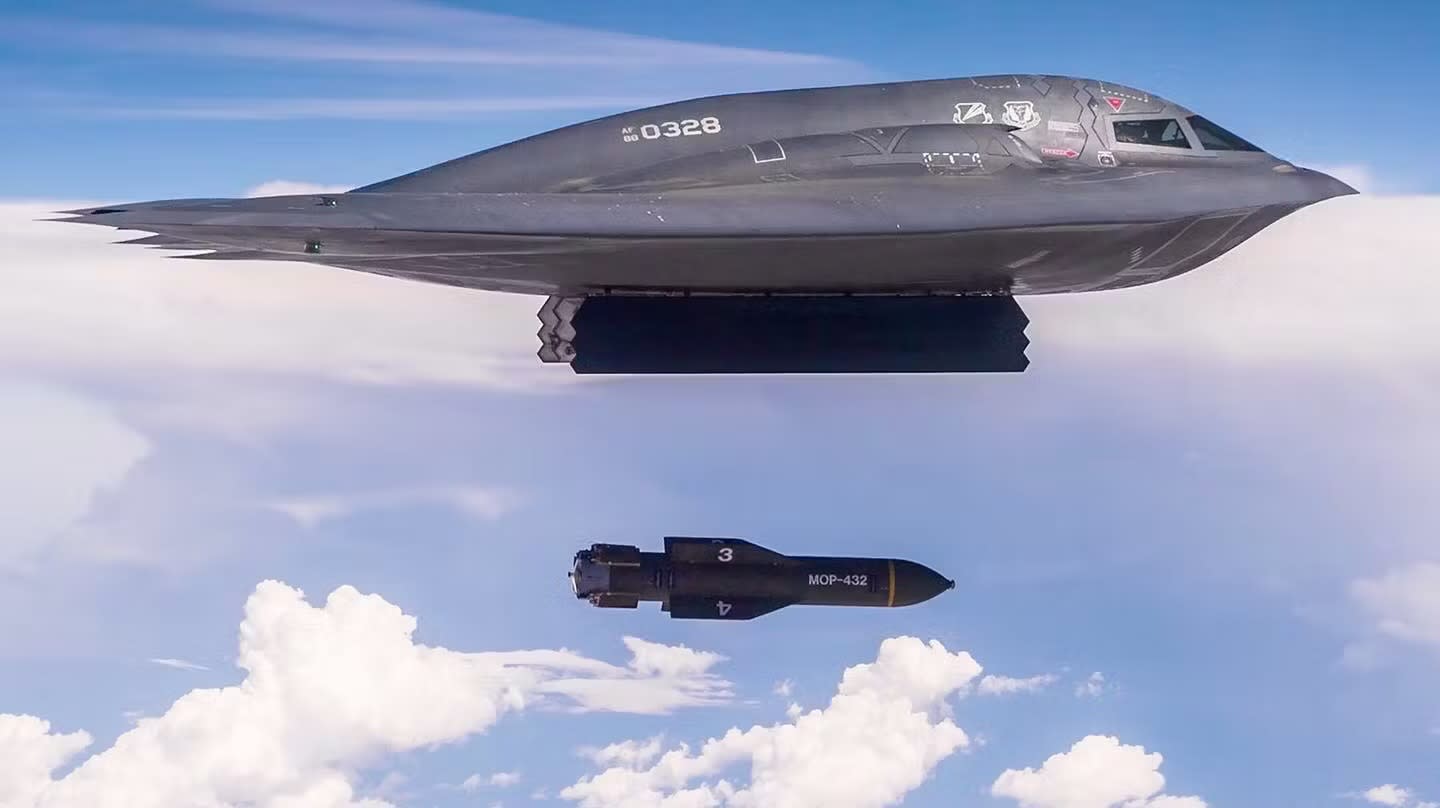
A USAF B-2 Spirit stealth bomber — deployed throughout Operation Epic Fury for strikes on hardened Iranian missile facilities with Massive Ordnance Penetrators. The B-2, alongside B-1B Lancers and B-52 Stratofortresses, formed the core of long-range U.S. strategic strike operations. Source: Wikimedia Commons / USAF.
🟡 Section Three
U.S. and Israeli Strikes on Iran — April 3–8, 2026
By the opening of this reporting window, CENTCOM had confirmed striking over 11,000 targets inside Iran since February 28, according to the 2026 Iran war Wikipedia timeline. The IDF announced on April 3 that it had destroyed an estimated 70% of Iran’s steel production capacity — critical for ballistic missile manufacturing — and assessed that approximately 70% of Iran’s overall defence industry had been targeted. The campaign in April 3–8 maintained maximum intensity before the ceasefire declaration.
U.S./Israeli Strike Log — Iran: April 3–8
April 3 — Isfahan and Mashhad: The “Khordad 15” missile base in Isfahan was struck in a confirmed U.S.-Israeli operation. An additional strike hit fuel storage facilities at Mashhad International Airport. In Mahshahr, IRGC targets were struck, including elimination of Makram Atimi, commander of a central missile unit in the Kermanshah area, along with several battalion commanders in the ballistic missile unit. Alma Research confirmed the strike on the SA-Iran electronics company in Shiraz — a central entity in Iran’s defence industries — was hit again in this period.
April 3 — Senior IRGC commanders eliminated: Jamshid Eshaqi, commander of the oil headquarters of the Iranian regime (responsible for financing IRGC forces and proxies), was killed. Mohammad Ali Fath Ali Zadeh, commander of the Fatehin commando unit of the IRGC ground forces, was also killed in this strike wave per Alma Research.
April 6 — South Pars Petrochemical Complex: The IDF struck Iran’s largest petrochemical complex at Asaluyeh, serving the South Pars gas field — the world’s largest natural gas reserve — and described by Al Jazeera’s Day 39 tracker as responsible for approximately 50% of Iran’s petrochemical production. A second strike hit a petrochemical facility in Shiraz. Two electricity-generating units serving the South Pars field were also struck — Iranian officials described this as a “huge escalation” targeting civilian survival infrastructure.
April 6 — Tehran Airports: Israel struck three airports in Tehran, targeting Iranian aircraft and helicopters. The Khorramabad International Airport in western Iran was also hit. Israel warned Iranians not to use railways until a specified deadline, leading to mass train cancellations from Mashhad.
April 6 — Kharg Island oil hub: Mehr News Agency reported a strike on Iran’s primary oil export hub on Kharg Island — if confirmed, one of the most strategically significant single strikes of the conflict. The attack was not independently verified at time of publication.
April 6 — Tehran: The IRGC intelligence chief Majid Khademi was killed in central Tehran’s Narmak district, OSINT-assessed confirmed. Asghar Bagheri of Quds Force Unit 840 was also killed in the same strike wave, per confirmed conflict data in Strategy Battles’ standing records.
April 5 — Natanz Nuclear Complex: U.S.-Israeli forces struck the Natanz nuclear enrichment complex, prompting Iran to frame its Haifa residential strike the same day as direct retaliation, marking a new and explicit tit-for-tat nuclear targeting cycle. This was described by Iranian state television as a “stark new phase” in the conflict.
B-52 Overflights: In the final days before the ceasefire, the U.S. began flying B-52H Stratofortresses over Iranian territory for the first time — a deliberate signal of achieved air supremacy and freedom of operation over Iranian airspace. The bombers targeted an ammunition depot and air base in Isfahan, causing what open sources described as “vast explosions.”
🔵 Section Four
Israel Strikes — Lebanon and Syria: April 3–10, 2026
Israel’s campaign in Lebanon — running parallel to Operation Epic Fury — entered its most destructive phase during this seven-day window. Al Jazeera reported that Israeli attacks since March 2 had killed over 1,400 Lebanese by early April, including 126 children, and displaced more than 1.2 million people. Then on April 8 — the day of the Iran ceasefire — Israel launched what the IDF itself called its most powerful single-day campaign in Lebanon.
BEIRUT AND SOUTH LEBANON — 14 KILLED
Israeli strikes across southern Lebanon and Beirut’s southern suburbs killed at least 14 people. Four died in Beirut’s south while ten, including a family of six, were killed in strikes on southern Lebanese towns. A further 39 people were wounded in an Israeli strike on Beirut’s Jnah neighbourhood — the strike landing approximately 100 metres from Rafik Hariri University Hospital, the country’s largest public medical facility, according to Al Jazeera and AFP. Israel also threatened to strike the Masnaa border crossing between Lebanon and Syria — forcing its closure — and carried out strikes on the Beqaa Valley.
SOUTHERN LEBANON — HEZBOLLAH COMMAND NETWORK
The IDF struck more than 70 targets in Dahieh and southern Lebanon in a two-day period. Targets included Hezbollah infrastructure — headquarters, weapons depots, launch sites and anti-tank missile positions — along with two currency exchange sites used to transfer funds to Hezbollah. Alma Research confirmed the IDF struck three southern Lebanese towns — Haris, Nabatieh al-Fawqa and Mayfadoun — and issued an evacuation order for 50 adjacent communities. The head of Hezbollah’s intelligence headquarters, Hussein Makled, was killed in the strikes. Abu Hamza Rami, the Palestinian Islamic Jihad commander in Lebanon, was also killed in Beirut during this period. Three more Hezbollah towns were struck including Kafra, Jmaijmeh and Safad al-Battikh. Artillery shelling damaged the town of Haris.
254+ KILLED
Hours after the announcement of the U.S.-Iran ceasefire, Israel launched what it called Operation Eternal Darkness — described by Wikipedia’s documented attack record as involving 50 Israeli Air Force fighter jets and approximately 160 munitions striking central Beirut without prior warning. The strikes hit at least five different neighbourhoods in Beirut’s central and coastal areas, including busy commercial and residential locations. The IDF claimed all targets were Hezbollah “terror infrastructure” — this was disputed by multiple observers who noted the strikes fell on civilian areas.
Key strikes confirmed: An airstrike hit a cemetery in the Bekaa Valley village of Shmestar during a funeral, killing at least 10 mourners and wounding four. Three girls were killed in Adloun, south of Sidon. Doctors Without Borders reported staff were injured at Hiram Hospital, Tyre. An ambulance near Tyre was struck. Ali Yusuf Harshi, a close aide to Hezbollah leader Naim Qassem, was killed in an overnight strike in Beirut. Hospitals across Beirut were flooded with casualties — the American University of Beirut Medical Center issued an urgent blood donation appeal as supplies ran low. Lebanese Health Minister Rakan Nassereddine described the situation as “catastrophic.”
Outcome and reaction: The death toll exceeded 300 as bodies were recovered, per PBS NewsHour and AP reporting. A BBC analysis described the actual military gains as “limited.” UN Secretary-General António Guterres “unequivocally” condemned the attack. The IRGC warned it would respond if attacks on Lebanon did not cease. Iran closed the Strait of Hormuz again in response, directly threatening the newly announced ceasefire. VP Vance stated Lebanon was not included in the ceasefire — Iran’s parliament speaker called this “an inseparable” part of the deal. Lebanese PM Nawaf Salam filed an urgent UN Security Council complaint calling the strikes a “blatant violation” of international law.
CONTINUED STRIKES — CEASEFIRE NOT EXTENDED TO LEBANON
Israeli strikes continued on April 9 — a day after 300 were killed — with an Israeli strike on al-Abbassieh killing at least seven people. Towns struck included Kafra, Jmaijmeh, Safad al-Battikh, Majdal Selem and Deir Antar near Qasmiyeh bridge, according to Al Jazeera’s confirmed reporting. Artillery shelling damaged the town of Haris. Four Lebanese Army soldiers were killed in Israeli strikes on April 8–9 — the first Lebanese military casualties of the conflict. The IDF acknowledged overnight strikes in Beirut, claiming the killing of Ali Yusuf Harshi. Israel also authorised, under U.S. pressure, direct talks with the Lebanese government — the first such engagement since the conflict began. On April 10 at least 14 more were killed in fresh Israeli air strikes across southern Lebanon.
HEZBOLLAH INCURSION / ISRAEL INCURSION / PMF ATTACKS
Syria remained a secondary but contested theatre during the week. The Syrian Army reported that Hezbollah shelled their positions and detected Hezbollah reinforcements arriving at the Syrian-Lebanese border. Artillery shells fired from Lebanon landed near a town 20 miles west of Damascus, with Syria accusing Hezbollah of the attacks. The Syrian Army declared it would coordinate any military response with the Lebanese government side. Israel conducted an incursion into southern Syria, shelling the area between Jamla and Saisoun in Daraa Governorate and arresting four civilians, according to the 2026 Lebanon war Wikipedia timeline. Hezbollah, following Syrian president Ahmed al-Sharaa’s public support for Lebanon’s disarmament objective, targeted the Syrian city of Inkhil in a retaliatory strike. Debris from an unidentified missile fell in Ain Tarma, Syria, causing damage and injuries. PMF factions from Iraq, meanwhile, expanded attacks targeting what they claimed were American bases in Syria — though U.S. forces had already withdrawn from many of these positions in January during the northeastern Syria offensive.
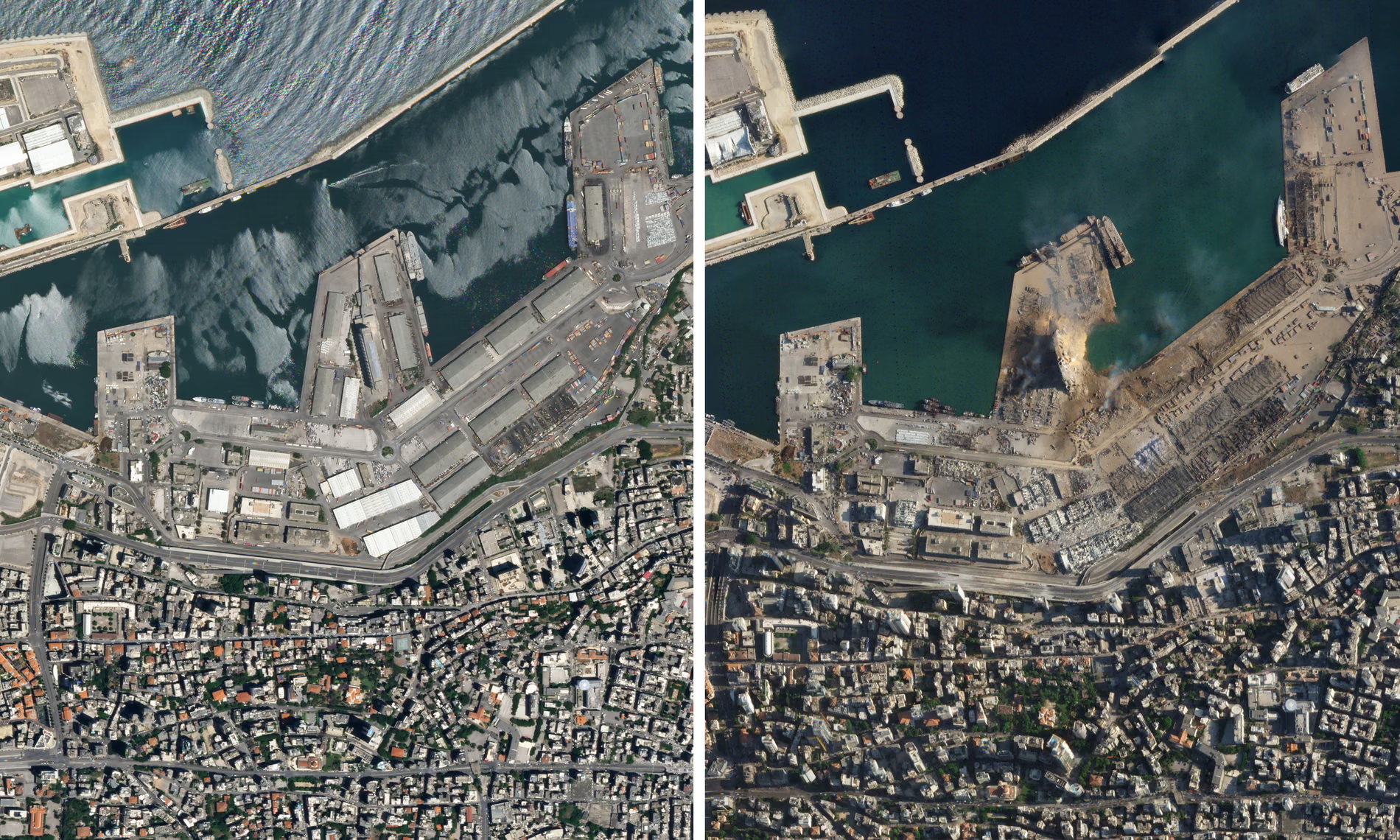
Aerial view of Beirut showing the density of residential and civilian infrastructure across the city. Operation Eternal Darkness on April 8, 2026 struck at least five central Beirut neighbourhoods without prior warning, killing over 300 people in what the IDF described as its most powerful Lebanon operation to date. Source: Wikimedia Commons.
🟢 Section Five
Iraq — PMF Militia War, U.S. Strikes and Internal Crisis: April 3–10
Iraq became an active secondary front during this period, with U.S.-Israeli airstrikes systematically targeting the infrastructure and command networks of Iran-backed Popular Mobilization Forces (PMF) while Iraqi militias simultaneously launched dozens of drone and missile attacks against U.S. facilities and Kurdish targets. The Foreign Policy Research Institute assessed that Iraq had effectively become a belligerent through the government’s acceptance of PMF operations under the cover of state self-defence — blurring the line between state and non-state actors in ways that directly implicated Baghdad in the regional conflict.
| Date | Location | Event | Casualties / Outcome |
|---|---|---|---|
| April 1 | Tel Afar, Nineveh | Shelling of PMF Al-Hussein Brigade HQ | 1 commander + 3 fighters killed — Wikipedia Iraq war page confirmed |
| April 1 | Western Nineveh | Airstrikes — PMF 53rd Brigade | Yasin Muhammad Sadiq (53rd Brigade commander) killed + 1 fighter + 4 wounded |
| April 4 | Syrian-Iraqi Border / Baghdad / Mosul | Airstrikes on Kata’ib Hezbollah positions near the Syrian border and PMF bases near Baghdad and Mosul | At least 1 KH fighter killed, 4 wounded at border. Multiple PMF positions hit near Baghdad and Mosul |
| April 4 | Basra | Drone strike on oil facilities | Fire reported at oil facilities near Basra. Origin of drone unconfirmed |
| April 5 | Saladin Province / Kirkuk (Kata’ib al-Imam Ali base) | At least 5 airstrikes on PMF positions + Kata’ib al-Imam Ali base in Kirkuk | Casualties reported by PMF sources. Iraqi government condemned strikes |
| April 7 | Camp Ashraf (near Baghdad) | Warplane strike on PMF engineering site | Engineering facility destroyed. Kata’ib Hezbollah released kidnapped American journalist Shelly Kittleson on same day |
| April 7 | Basra | Rockets from Kuwait struck house near Basra | 3 killed. Protests erupted in Basra; demonstrators stormed Kuwaiti consulate. Origin disputed |
Beyond individual strike incidents, the broader Iraq situation during this period saw Iranian media reporting the mass mobilisation of PMF factions on the Iraqi-Iranian border, with some reports — unconfirmed by independent sources — claiming PMF convoys crossed into Iran and were deployed to reinforce Basij positions. U.S. airstrikes allegedly targeted these PMF convoys crossing into Iran, prompting Iraqi officials to temporarily close border crossings. The Washington Institute reported that the Kurdistan Regional Government had absorbed more than 500 drone and missile attacks launched by Iran and Iraqi proxies since the war began — attacks that killed approximately 10 civilians and wounded nearly 60 others, repeatedly hit the Lanaz oil refinery near Erbil and the Khor Mor natural gas field, and caused power blackouts across the region.
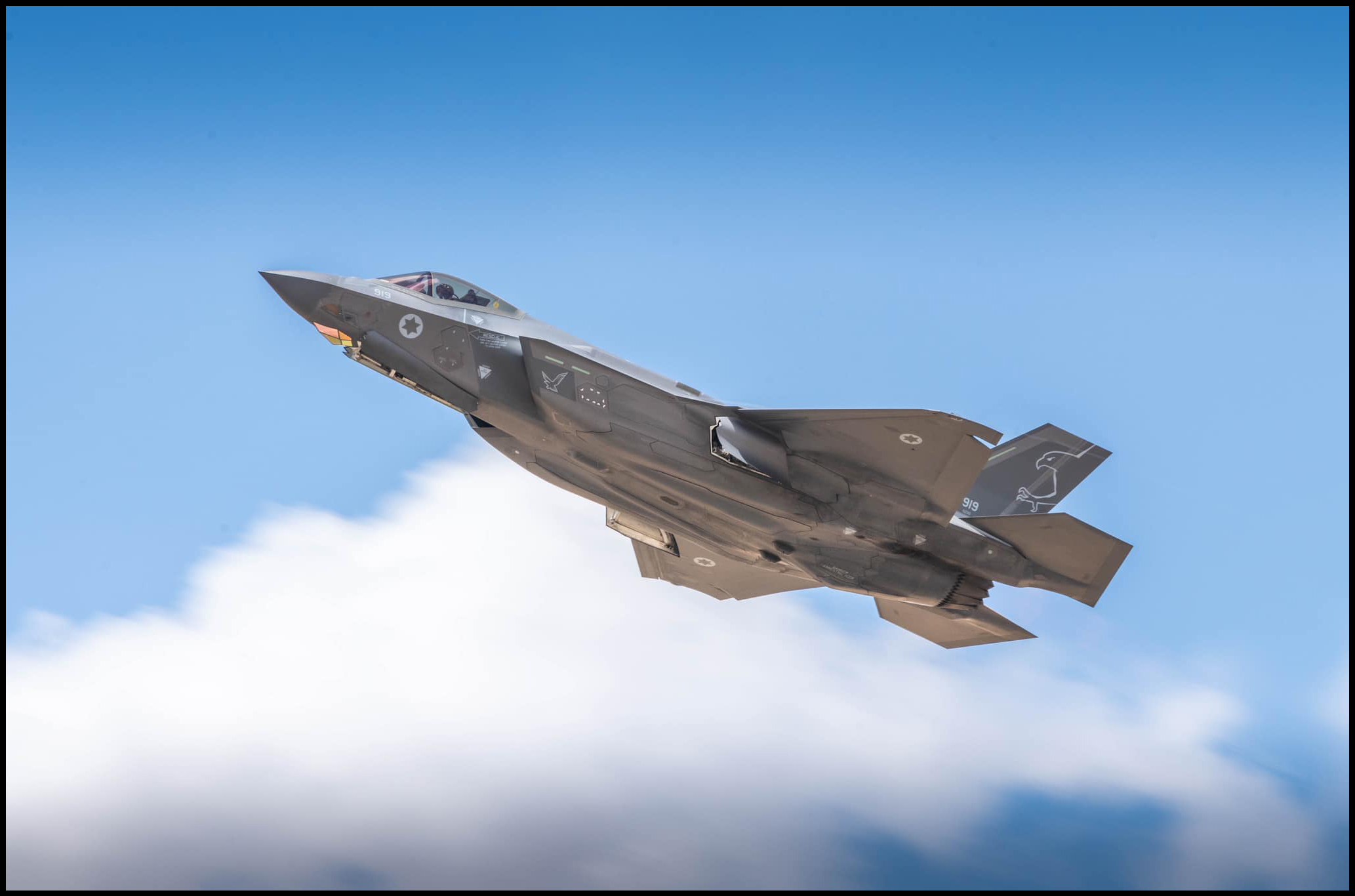
An Israeli Air Force F-35I Adir — the primary Israeli deep-strike and air superiority platform used throughout Operation Roaring Lion against Iran and during Operation Eternal Darkness over Lebanon on April 8, 2026. The F-35I also became the first stealth fighter to shoot down a crewed aircraft in history when it downed an Iranian Yak-130 over Tehran. Source: Wikimedia Commons / IAF.
🔴 Section Six
Cumulative Regional Impact and OSINT Military Assessment
The ACLED conflict monitor documented more than 3,000 distinct strike events across at least 29 of Iran’s 31 provinces throughout the conflict, with Tehran sustaining the heaviest bombardment. The IDF estimated it had targeted nearly 70% of Iran’s defence industry by March 31, destroyed 70% of its steel production capacity by April 3, and severely damaged all four major missile production sites — Khojir, Shahroud, Parchin and Hakimiyeh — per the ISW-CTP Iran Update Special Report. Iran’s ballistic missile launch rate fell 90% from day one and its drone rate fell 83%, per CENTCOM Admiral Brad Cooper’s confirmed figures.
However, the Soufan Center’s assessment offered a critical caveat: Iran’s remaining strikes were increasingly precise and lethal, and able to avoid interception. The attack on Qatar’s Ras Laffan LNG plants forced a 17% production reduction potentially requiring years of repair. The strike on a U.S. Air Force E-3 Sentry AWACS at Prince Sultan Air Base — confirmed by the Wall Street Journal — represented the destruction of a highly valuable, limited-inventory platform with strategic implications for U.S. command-and-control and air domain awareness in the region.
Iran’s strike pattern shifted from volume to precision in the final week. Fewer missiles per day — but each one more carefully selected, more likely to penetrate defences, and more deliberately targeted at the energy and water infrastructure sustaining the Gulf states’ civilian populations and economies.
Strategy Battles 7-Day Military Assessment — April 3–10, 2026
- Iran’s missile capability: Significantly degraded but not eliminated. Western officials assess 15–30 ballistic missiles and 50–100 OWADs per day remaining capacity. Deeply buried missile cities reconstituting within hours of strikes.
- Gulf state interceptor stock: UAE and Kuwait estimated at 75% depletion of Patriot interceptors — raising long-term air defence sustainability concerns if conflict resumes.
- Lebanon: Over 300 killed in a single day (April 8). The ceasefire dispute over Lebanon is the single greatest risk to the two-week truce holding. Lebanon’s food security assessed as rapidly deteriorating per World Food Programme.
- Iraq: PMF networks significantly degraded at leadership level. But the Washington Institute and FPRI both assessed that even with leadership decapitation, thousands of fighters would simply disperse into tribal networks and reconstitute over months. Full disarmament requires structural political reform in Baghdad.
- Syria: A low-level but actively contested secondary front. Hezbollah-Syria tensions have created a new intra-Axis fault line that could destabilise Syria’s transitional government if it escalates.
- Strait of Hormuz: Remained largely closed as of April 10 — the core condition of the ceasefire still unmet. Risk of full ceasefire collapse assessed as HIGH if compliance is not demonstrated within 72 hours.
Strategy Battles — Related Coverage
Sources
- Wikipedia — Timeline of the 2026 Iran War (continuously updated)
- Wikipedia — 2026 Iranian Strikes on the United Arab Emirates
- Wikipedia — 2026 Iranian Strikes on Arab Countries
- Wikipedia — 2026 Iranian Strikes on Israel
- Wikipedia — 8 April 2026 Lebanon Attacks (Operation Eternal Darkness)
- Wikipedia — 2026 Lebanon War
- Wikipedia — Iraq in the 2026 Iran War
- Wikipedia — 2026 U.S.-Israeli Conflict with Pro-Iranian Iraqi Militias
- Al Jazeera — Iran War: Day 39 Tracker (April 7, 2026)
- Al Jazeera — At Least 14 Killed in Israeli Strikes Across Lebanon (April 5, 2026)
- Al Jazeera — Fresh Israeli Attacks on Lebanon Threaten US-Iran Ceasefire (April 9, 2026)
- Al Jazeera — US-Israel Attacks on Iran: Death Toll and Injuries Live Tracker
- Al Jazeera — Map: How the Attacks Have Evolved — Weapons Used
- The Soufan Center — Iran’s Missile and Drone Arsenal Remains Potent Despite Five Weeks of Strikes (April 6, 2026)
- Alma Research and Education Center — Daily Report: April 3, 2026
- ISW-CTP via Eurasia — Iran Update Special Report April 3, 2026
- ACLED — Middle East Special Issue: March 2026
- PBS NewsHour / AP — Israeli Strikes Kill 300+ in Central Beirut (April 9, 2026)
- Foreign Policy Research Institute — Militias and Iraq’s Role in a Multifaceted Regional War
- Washington Institute — Iraq Is at Another Crossroads with Iran-Backed Militias
- UK House of Commons Library — US/Israel-Iran Conflict 2026
- France 24 — Israel Launches New Strikes on Lebanon, Forces Closure of Syria Border Crossing (April 5, 2026)
- NPR — 2 U.S. Planes Down and Iran Hits Gulf Refineries as War Wraps 5th Week (April 3, 2026)
Editorial Verification
This report has been reviewed for tactical accuracy and OSINT compliance. All strike data is sourced to named, hyperlinked open-source reporting including CENTCOM official statements, IDF announcements, Al Jazeera live trackers, Wikipedia conflict timelines, ACLED, ISW-CTP, the Soufan Center, Alma Research and the Washington Institute. Casualty figures are cross-referenced against at least two independent verified sources. Where single-source claims exist they are explicitly labelled as unconfirmed. Weapon capability data is drawn from open-source military technical references. All editorial assessments are clearly labelled as such and do not represent U.S., Israeli or Iranian government positions.
Approved for Publication
Marcus V. Thorne
Lead Editor, Strategy Battles
©StrategyBattles.net 2026
This article is for news and analysis purposes only. It is based on publicly available news sources and military updates. All rights reserved. Original reporting may come from various open sources. Not for commercial reuse without permission.