Ukraine Germany Merz and Zelensky Agree Air Defence and Long-Range Weapons Packages
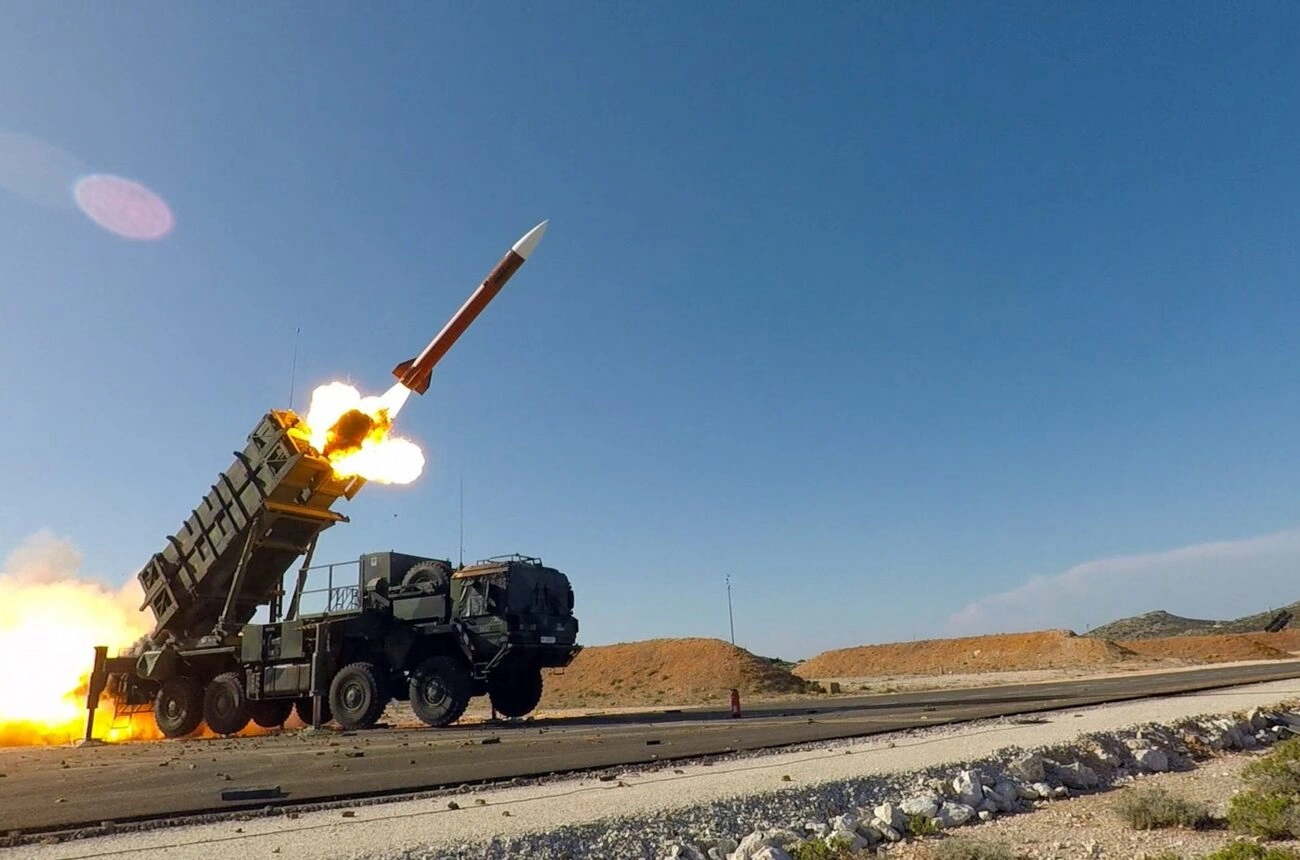
A missile launch from a Patriot PAC-2 air defence system — air defence capability sits at the centre of the new Ukraine-Germany military aid packages announced by Chancellor Merz and President Zelensky on April 14, 2026. Photo: Open sources via Militarnyi.
🔴 Breaking
Merz and Zelensky Announce New Support Packages Covering Four Key Capability Areas
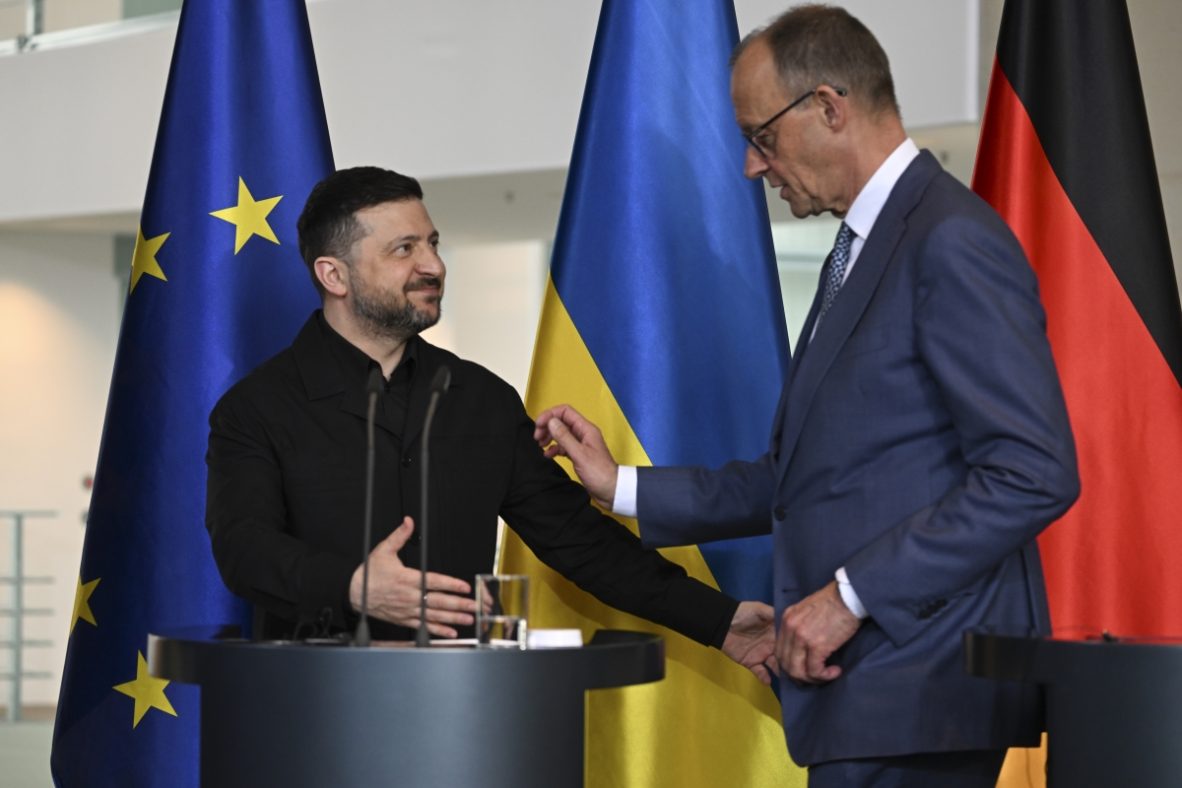
Germany and Ukraine have agreed on a new round of military aid packages, with German Chancellor Friedrich Merz and Ukrainian President Volodymyr Zelensky making the announcement at a joint press briefing on April 14, 2026. The packages cover four capability areas: air defence systems, long-range weapons, drones and ammunition.
Alongside the military aid agreements, Kyiv and Berlin also signed formal agreements on defence and economic cooperation — a signal that the relationship is moving beyond transactional weapon transfers toward a more structured long-term partnership.
“Today we agreed on new support packages, primarily concerning air defense, long-range weapons, and ammunition.” — German Chancellor Friedrich Merz, joint briefing with President Zelensky, April 14, 2026.
Merz emphasised that the cooperation serves German interests as much as Ukrainian ones. He pointed specifically to Ukraine’s battlefield experience — arguing there is no other army in Europe that “has had such military experience over the past decades.” The framing positions German support not as charity but as a strategic investment in knowledge transfer and shared security, a shift in tone that reflects the broader reorientation of German defence policy under the current government.
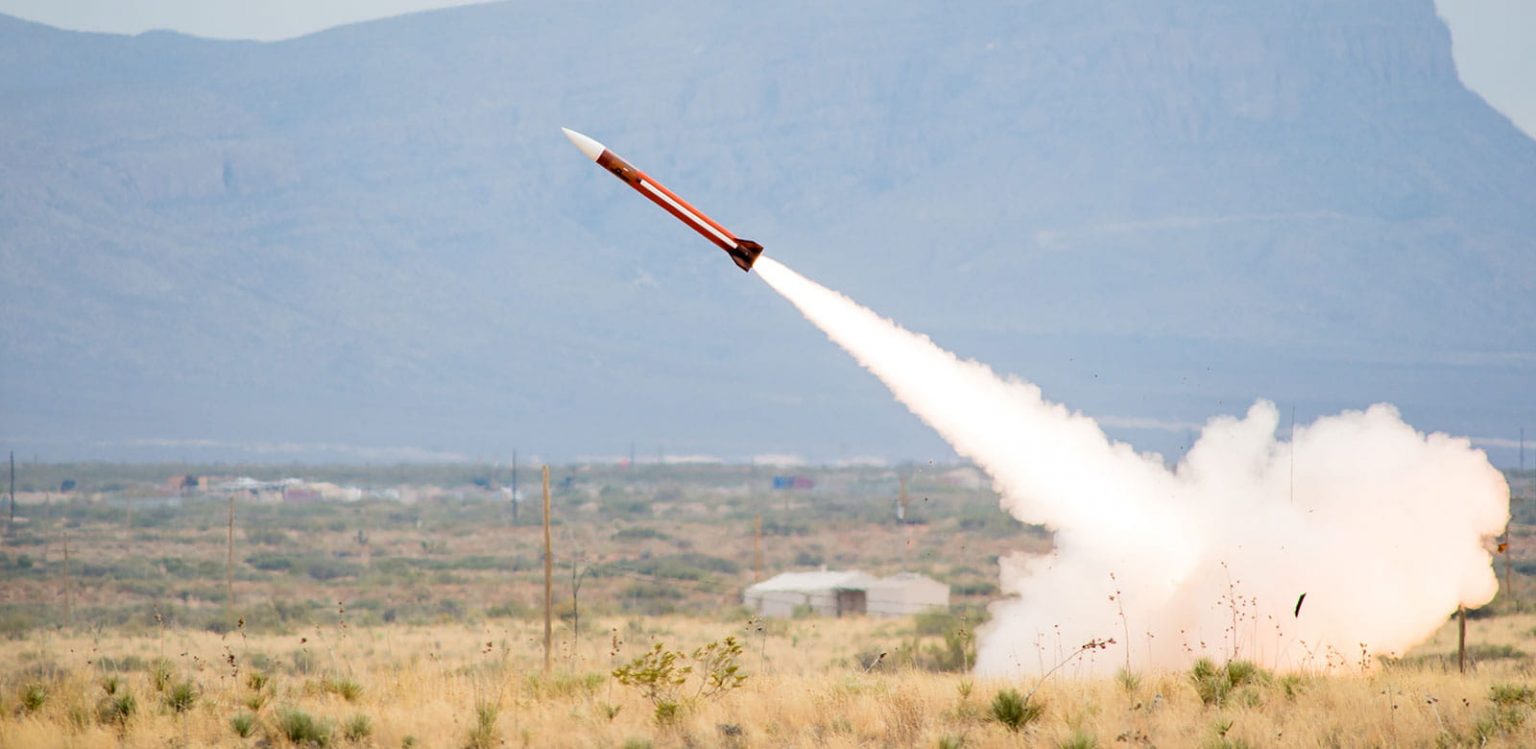
A PAC-2 GEM-T interceptor missile for the Patriot air defence system. Ukraine has been receiving Patriot interceptor resupply batches from Western partners, with Zelensky confirming a new delivery earlier this month. The latest Germany agreement continues that pattern. Photo credits: RTX via Militarnyi.
🟡 Context
Why This Agreement Matters Now
The timing of the announcement is significant. It comes as Western attention has been dominated by the Iran war and its diplomatic fallout — the Islamabad talks collapse, Trump’s naval blockade order, and the fracturing of the U.S.-European relationship over the conflict. Against that backdrop, Germany and Ukraine moving to deepen and formalise their bilateral defence relationship is a statement of continued European commitment to the Ukraine front that does not depend on Washington.
Air defence is Ukraine’s most critical need. Russia’s continued missile and drone campaigns against Ukrainian cities and energy infrastructure have stressed existing interceptor stocks throughout the conflict. Earlier in April, President Zelensky confirmed Ukraine had received a new batch of Patriot surface-to-air missiles — and the latest German package signals that pipeline remains active and is being expanded. Long-range weapons capability is the other key element, giving Ukraine the ability to strike Russian logistics, ammunition depots and command infrastructure at depth rather than simply holding the front line.
The inclusion of drones in the package reflects the extent to which unmanned systems have become the defining weapons of this war on both sides — and the degree to which European partners are now directly contributing to Ukraine’s drone inventory and production ecosystem rather than leaving that to Ukraine to handle alone.
Strategy Battles Assessment
Merz’s framing — that supporting Ukraine benefits Germany’s own security and that Ukraine’s battlefield experience is an asset to be learned from — marks a maturation in German strategic thinking. For much of the first three years of the war, German support was characterised by reluctance, delay and political controversy. The signing of formal defence and economic cooperation agreements alongside an operational aid package represents a different kind of commitment — one that is harder to reverse and signals a long-term posture rather than a war-by-war decision. For Ukraine, the German relationship is increasingly a cornerstone of European support independent of the U.S. posture.
Strategy Battles — Related Coverage
Sources
- Militarnyi — Air Defense and Long-Range Weapons: Ukraine and Germany Agree on New Aid Packages (April 14, 2026)
- Militarnyi — Zelensky: Ukraine Receives New Batch of Patriot Air Defense Missiles (April 10, 2026)
- Merz-Zelensky Joint Press Briefing — Live (April 14, 2026)
Editorial Verification
This report has been reviewed for factual accuracy and OSINT compliance. The announcement is confirmed from the joint Merz-Zelensky press briefing. The direct quote from Chancellor Merz is sourced to Militarnyi’s confirmed report of the briefing. This is original editorial analysis by Strategy Battles.
Approved for Publication
Marcus V. Thorne
Lead Editor, Strategy Battles
©StrategyBattles.net 2026
This article is for news and analysis purposes only. It is based on publicly available news sources and military updates. All rights reserved. Original reporting may come from various open sources. Not for commercial reuse without permission.