Mass Grave Believed to Hold ISIS-Executed Peshmerga Set for Exhumation in Nineveh
50+
Peshmerga Captured by ISIS During the War
202
Mass Graves Documented by UN Across Nineveh, Kirkuk, Salahaddin and Anbar
12,000
Estimated Victims in UN-Documented ISIS Mass Graves
2,000+
Peshmerga Killed During the Fight Against ISIS 2014–2017
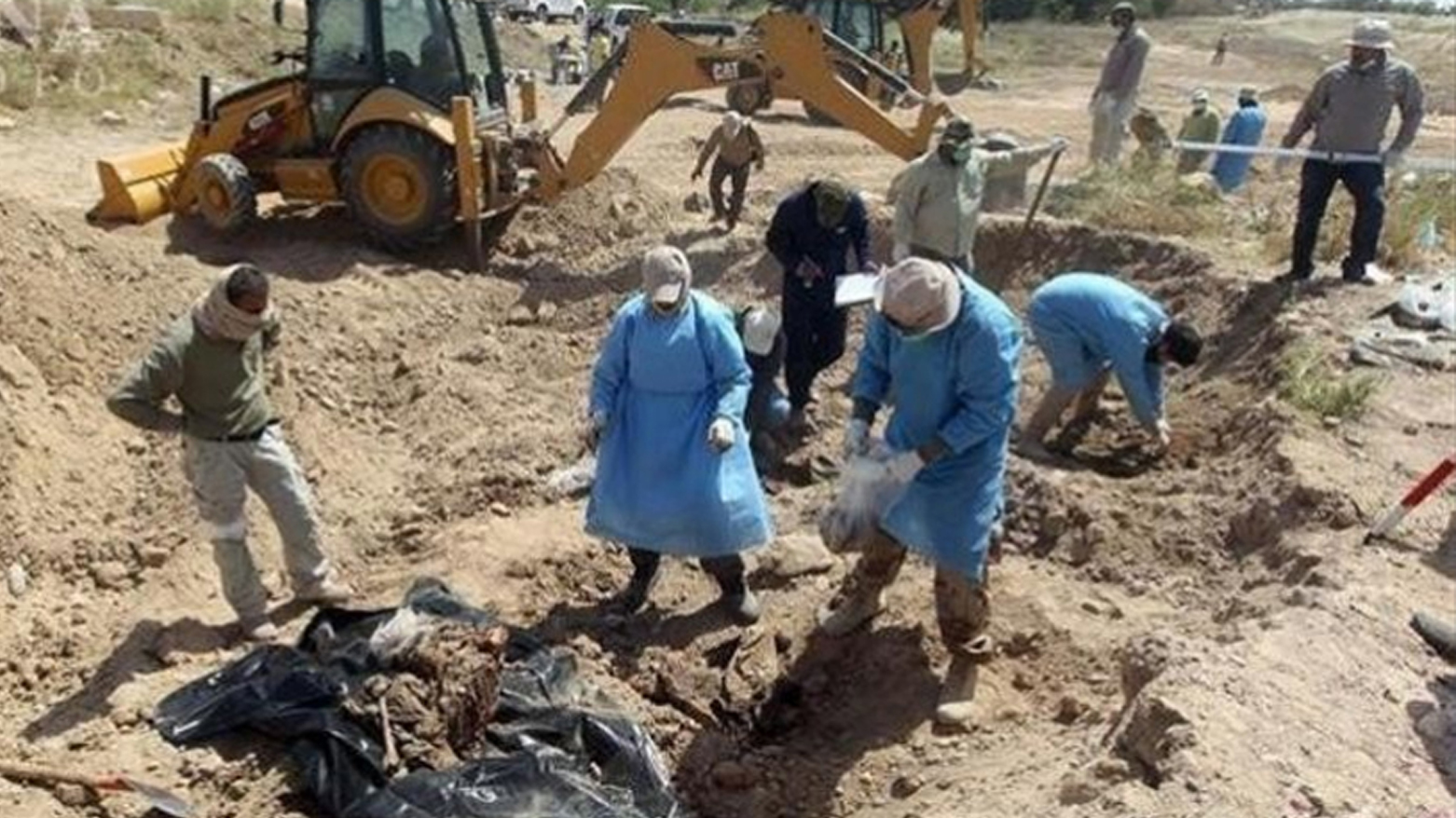
Forensic experts examine the mass grave site in Nineveh province believed to contain the remains of Peshmerga fighters executed by ISIS. A specialised team is set to begin excavation imminently, with DNA samples to be collected for family identification. Photo: Kurdistan24.
🔴 Breaking Development
The First Peshmerga Mass Grave Discovered in Nineveh — Exhumation Begins
A mass grave discovered inside Nineveh province and believed to contain the remains of Peshmerga fighters executed by ISIS is set to be exhumed in the coming days. According to information obtained by Kurdistan24, a specialised forensic and legal team will begin excavation on Tuesday — making this the first site of its kind specifically believed to hold Peshmerga captives killed by the terrorist organisation.
Once the site is opened, DNA samples will be collected from the recovered remains and cross-referenced against biological samples already taken from the families of missing fighters. The identification process is expected to be lengthy, requiring laboratory processing before any confirmed results can be delivered to the families who have spent years without any official word on the fate of their loved ones.
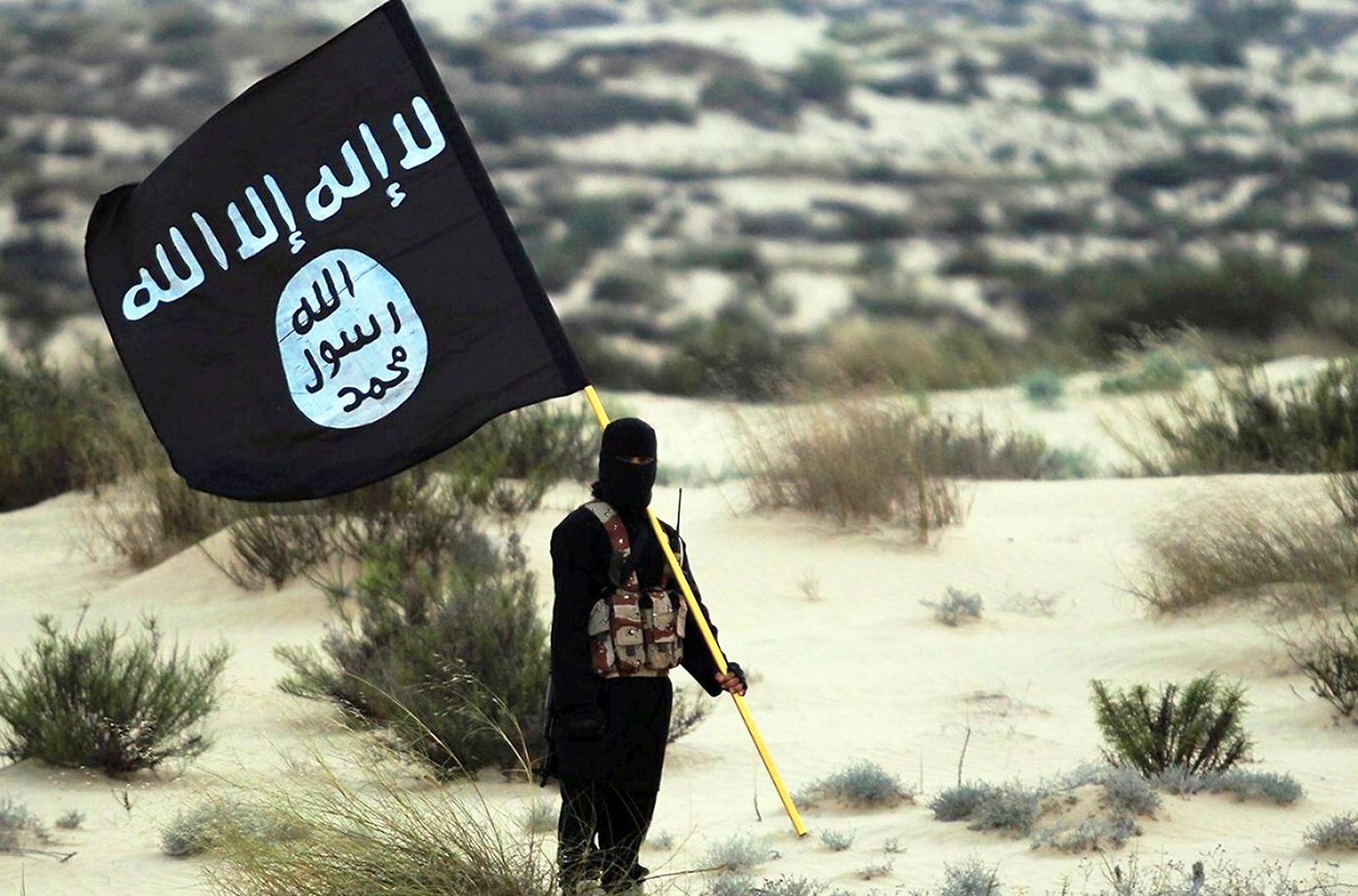
During the three years of war against ISIS from 2014 to 2017, more than 50 Peshmerga fighters were taken captive across various frontlines. While the deaths of some were confirmed at the time — including those shown in propaganda footage in orange jumpsuits paraded through the streets of Hawija in 2015 — the fate of a significant number of others has never been officially established. For their families, the announcement of this exhumation is the first concrete development in years.
Key Facts — The Nineveh Peshmerga Mass Grave
- Location: Nineveh province, northern Iraq — exact coordinates not publicly disclosed
- Significance: First site in Nineveh specifically believed to contain Peshmerga captives executed by ISIS
- Exhumation team: Specialised forensic and legal experts — operation beginning Tuesday
- Identification method: DNA samples from remains cross-referenced with family samples already collected with KRG assistance
- Total Peshmerga captured by ISIS: More than 50 across multiple frontlines during 2014–2017
- Previous related discovery: February 13, 2025 — a separate mass grave found in Hawija, Kirkuk province, also believed to contain Peshmerga remains; 17 bodies exhumed with DNA sampling underway
🟡 Context
The Peshmerga’s War Against ISIS — The Price Paid and the Missing
When ISIS swept across northern Iraq in the summer of 2014, seizing Mosul and vast swaths of territory in days, it was the Peshmerga forces of the Kurdistan Region who formed the primary defensive line that stopped its advance toward Erbil. Over the following three years, Peshmerga fighters held and eventually recaptured a front line stretching nearly 650 miles against one of the most well-armed and brutal non-state military forces in modern history.
The cost was severe. More than 2,000 Peshmerga were killed and over 10,000 wounded according to the KRG’s Ministry of Peshmerga Affairs. At least 70 were taken hostage. Among the most haunting moments of the entire conflict came in 2015, when ISIS released a propaganda video showing a group of Peshmerga prisoners in orange jumpsuits, paraded through the streets of Hawija in metal cages mounted on pickup trucks. Months later, a rare joint U.S.-Kurdish commando raid on an ISIS prison where those fighters were believed to be held freed dozens of Iraqi soldiers and civilians — but found none of the missing Peshmerga. U.S. Army Master Sergeant Joshua Wheeler was killed in that operation, the first American combat death in Iraq since 2011.
For the families of those who were taken and never returned, the years since the territorial defeat of ISIS in 2017 have been defined by an agonising absence of answers. The discovery and now planned exhumation of the Nineveh grave — followed by the earlier Hawija find in February 2025 — represents the most significant progress toward accountability in years.
🔵 Broader Picture
Iraq’s Mass Grave Crisis — Scale, Process and the Struggle for Accountability
The scale of what ISIS buried across northern and central Iraq is staggering. A 2018 report by the UN Assistance Mission in Iraq documented 202 confirmed mass grave sites across the provinces of Nineveh, Kirkuk, Salahaddin and Anbar — with an estimated 6,000 to 12,000 victims contained within them. Nineveh alone accounts for more than 200 sites. Local officials have stated that more than 20,000 residents of Nineveh province were killed by ISIS during its occupation.
The challenge of identification is formidable. Baghdad operates two dedicated institutions for exhumation and identification work: the Medico-Legal Directorate under the health ministry and the Mass Graves Protection and Missing Persons Directorate under the Martyrs Foundation. Each site requires forensic teams, laboratory capacity for DNA matching, a family database built from biological samples, and — in many cases — specialist assistance to navigate hazards including unexploded ordnance and, in sites like al-Khasfa near Mosul, sulphur water that degrades remains and complicates DNA extraction.
Human rights organisations have consistently criticised the pace and quality of Iraq’s mass grave work. Human Rights Watch has stated that in most instances where graves were discovered, the government failed to properly manage sites — marking them off, carrying out systematic forensic work and returning identified remains to families in a timely manner. The UNITAD mandate — the UN’s investigative team tasked with accountability for ISIS crimes — was cut short in 2024 after relations with the Iraqi government deteriorated, leaving many families without the findings they had been promised.
The announcement of the Nineveh exhumation, and the fact that the KRG has already been involved in collecting DNA samples from Peshmerga families in Erbil province, suggests a more coordinated approach to this particular site than has been seen in some previous cases. Whether that coordination translates into confirmed identifications being delivered to families within a reasonable timeframe will be the measure of this operation’s success.
Strategy Battles Assessment
For the families of missing Peshmerga, this is not a military story — it is a human one. These were fighters who went to hold a front line against an organisation that had seized a third of Iraq and was executing prisoners on video for the world to see. Many of them never came home. Their families have been living in a specific kind of grief — the kind that has no confirmed ending, no body, no grave to visit, no official date of death.
The Nineveh exhumation will not be quick. DNA identification from mass graves is painstaking work measured in months and years, not days. The Hawija site discovered in February 2025 is still being processed. But the beginning of this process — the formal recognition that these men are there, that they will be found, and that their families will be told — is itself significant. Iraq has over 200 documented ISIS mass graves. After almost a decade, it is only now beginning the systematic work of accounting for them.
Strategy Battles — Related Coverage
Sources
- Kurdistan24 — Mass Grave Believed to Hold Peshmerga Captives Killed by ISIS (April 13, 2026)
- The New Region — Mass Grave Suspected to Contain Remains of 17 Peshmerga Exhumed South of Kirkuk (February 13, 2025)
- VOA — Iraq Discovers Remains of More Than 50 ISIS Victims in Mass Grave
- Al Jazeera — Iraq Starts Mass Grave Excavation from ISIS Carnage South of Mosul (August 2025)
- European Council on Foreign Relations — Unearthing the Past: Iraq’s Mass Graves and the Quest for Justice (2025)
- Kurdistan24 — Exhumation of Alo Antar Mass Grave Begins in Tal Afar (May 2024)
Editorial Verification
This report has been reviewed for factual accuracy and OSINT compliance. The core development — the planned exhumation of a mass grave in Nineveh believed to contain Peshmerga remains — is sourced to Kurdistan24. Contextual figures on Peshmerga casualties and missing fighters are drawn from KRG Ministry of Peshmerga Affairs data and open source reporting. UN mass grave documentation figures are sourced to the 2018 UNAMI report, consistent across multiple verified outlets. This article is original editorial work by Strategy Battles and is not a reproduction of any single source.
Approved for Publication
Marcus V. Thorne
Lead Editor, Strategy Battles
©StrategyBattles.net 2026
This article is for news and analysis purposes only. It is based on publicly available news sources and military updates. All rights reserved. Original reporting may come from various open sources. Not for commercial reuse without permission.