Israel Strikes Lebanon During Ceasefire IDF Hits Rocket Launcher in Kfarkela
~2,300
Killed in Lebanon Since March 2
7,500+
Wounded
Day 4
of 10-Day Lebanon Ceasefire
🔴 The Strike
IDF Strikes Kfarkela Overnight — Cites “Immediate Threat” Justification
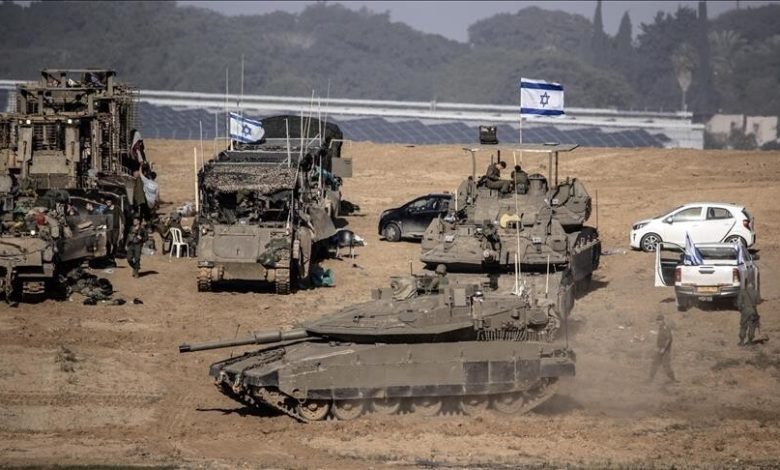
The Israeli Defence Forces confirmed overnight Monday that they had struck a rocket launcher in the Kfarkela area of southern Lebanon — on day four of the 10-day ceasefire that President Trump announced took effect at midnight Friday. The IDF stated the target was a “loaded and ready-to-launch” system positioned north of what it described as its “forward defense line.” The army characterised the launcher as posing “an immediate threat” to Israeli forces and residents of northern Israel, framing the strike as a defensive action rather than a ceasefire violation.
Kfarkela sits in the southernmost strip of Lebanon, close to the Israeli border. The village is within the buffer zone area where Israeli forces have been operating and in some cases demolishing structures under Operation Silver Plow. Israel has previously stated that it interprets the ceasefire as not restricting its right to take action against what it defines as imminent threats — a carve-out it has invoked repeatedly since the truce began. The IDF has not provided independent verification of the launcher’s “ready-to-launch” status.
🟡 What Else Is Happening
Lebanon Appoints Talks Delegation — Israel-Lebanon Round II on Thursday
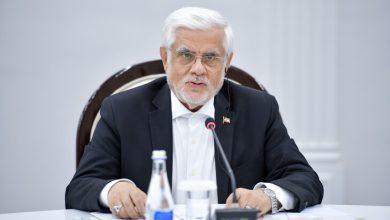
Despite the overnight strike, diplomatic activity continues in parallel. Lebanon has named its former envoy to the United States to lead its delegation in direct talks with Israel. The United States has confirmed it will host a second round of Israel-Lebanon negotiations on Thursday — a significant step given that the first direct diplomatic talks between the two countries since 1993 were held only days ago in Washington. The pattern is becoming familiar: Israel strikes during the ceasefire citing self-defence, while diplomacy continues on a separate track as if the strikes did not happen.
The U.S. Embassy in Baghdad separately renewed its Iraq travel warning on the same day, urging American citizens there to “leave now” — a signal that Washington is still treating the broader regional threat environment as serious despite the ceasefire in Lebanon and the Hormuz partial opening. The EU Council chief also indicated the bloc stands ready to support Middle East peace talks after a call with Pakistani Prime Minister Sharif, ahead of the Islamabad II Iran-U.S. talks also scheduled for Tuesday.
Strategy Battles Assessment
Israel is running a consistent dual track: continuing targeted military operations inside Lebanon while simultaneously engaging in diplomatic talks. The “immediate threat” framing gives it legal and political cover to strike without formally breaking the ceasefire. This is identical to the pattern from the November 2024 ceasefire, which Israel violated on a near-daily basis before the current escalation. The question is not whether Israel strikes during ceasefires — it does — but whether Hezbollah or Lebanon responds in kind. So far the ceasefire is holding in the sense that neither side has engaged in the kind of sustained exchanges that preceded April 17. Whether a loaded launcher in Kfarkela stays in that category or triggers a response is what will determine whether the 10 days hold.
Strategy Battles — Related Coverage
Sources
Editorial Verification
The IDF strike is confirmed by the Israeli Defence Forces’ own statement as reported by Anadolu Agency. The Kfarkela location and “loaded and ready-to-launch” characterisation are from the IDF statement — not independently verified. Lebanese casualty figures are from official Lebanese government data. The Lebanon delegation appointment, US Thursday talks hosting, US Embassy Iraq warning and EU Council statement are all from Anadolu Agency’s April 20 live coverage. Original editorial analysis by Strategy Battles.
Approved for Publication
Marcus V. Thorne
Lead Editor, Strategy Battles
©StrategyBattles.net 2026
This article is for news and analysis purposes only. Based on publicly available news sources and military updates. All rights reserved. Not for commercial reuse without permission.