Israel’s Air Defenses Under Growing Strain as Interceptor Stocks Dwindle
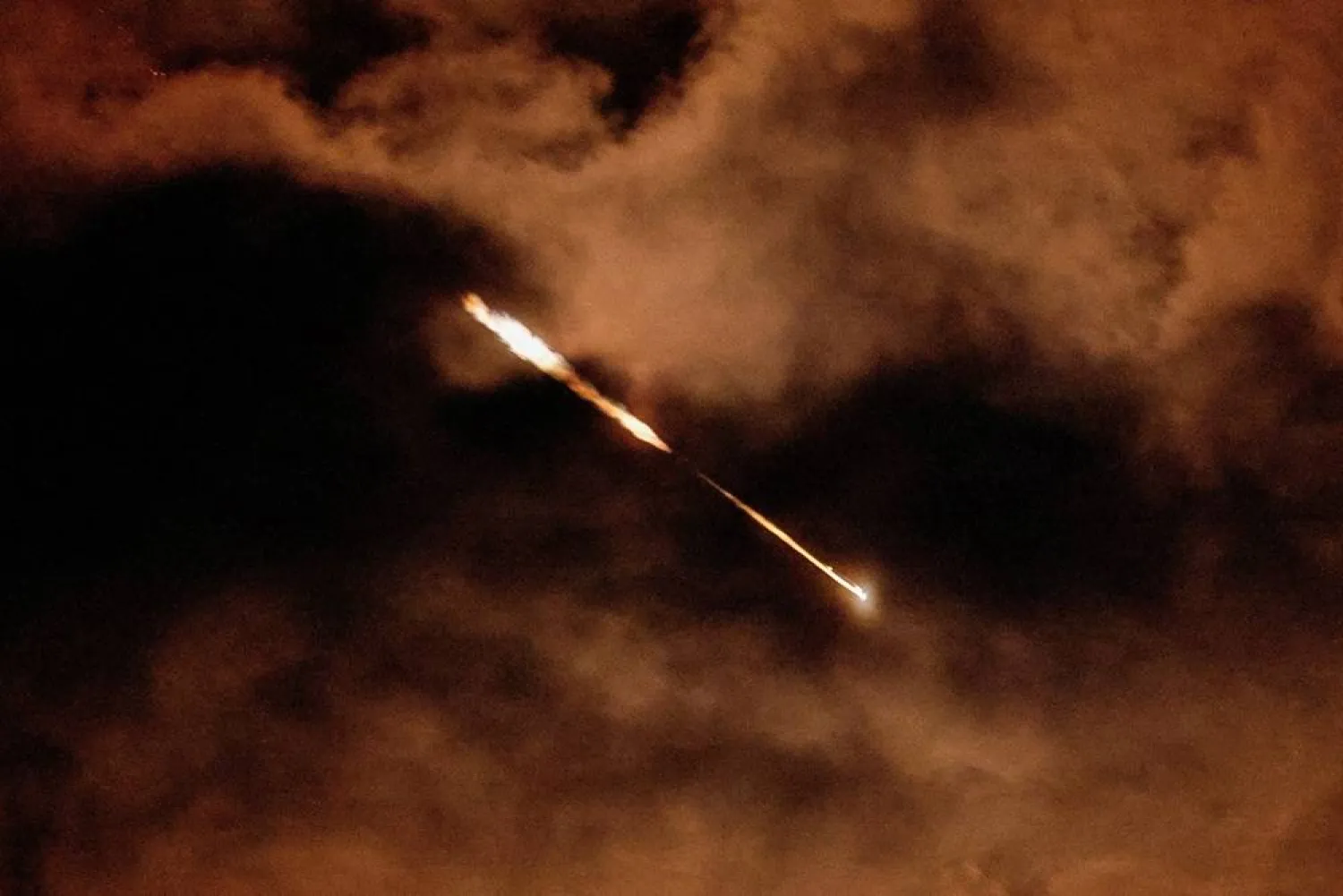
The Israeli military’s ability to sustain its highly sophisticated multi-layered air defense system is coming under increasing scrutiny as the war with Iran enters its second month.
While the Israeli military has repeatedly dismissed reports of critical shortages, analysts warn that stockpiles of long-range interceptors — particularly those used against Iranian ballistic missiles — are being rapidly depleted.
Israel’s Multi-Layered Air Defense
Israel operates one of the world’s most advanced air defense networks:
- Arrow 2 and Arrow 3: Top-tier systems designed to intercept ballistic missiles, operating both within and above the Earth’s atmosphere.
- David’s Sling: Medium-range system targeting shorter-range ballistic missiles, cruise missiles, and drones.
- Iron Dome: Short-range system primarily designed to intercept rockets and artillery shells.
- U.S. Support: THAAD anti-missile batteries are also reportedly deployed in Israel.
Despite this layered protection, the sustained barrage of Iranian ballistic missiles and Hezbollah rockets has put significant pressure on the system.
Depletion Concerns
According to a recent analysis by the London-based RUSI think tank, allied forces (Israel, the US, and regional partners) expended approximately 11,294 munitions costing roughly $26 billion in the first 16 days of the conflict alone.
The report estimates that 81% of Israel’s pre-war Arrow interceptor stocks may already be depleted, with long-range interceptors likely to be completely exhausted by the end of March if the current pace continues.
Each Arrow 2 interceptor costs around $1.5 million, while Arrow 3s cost approximately $2 million. Production timelines are long and cannot be rapidly scaled.
Israeli Response
The Israeli military maintains that there is “no shortage” and that it is prepared for prolonged combat. A senior reservist involved in developing the system, Brigadier General Pini Yungman, told AFP that Israel can produce interceptors faster than Iran can produce ballistic missiles and has accelerated production since the October 7, 2023 Hamas attack.
However, a malfunction in the David’s Sling system last week allowed Iranian ballistic missiles to strike the southern towns of Dimona and Arad. Dimona is widely believed to house Israel’s undeclared nuclear arsenal.
Strategic Options
Analysts say Israel has three main ways to manage its interceptor stocks:
- Mixing different defense systems to avoid over-reliance on the most expensive ones.
- Choosing not to intercept missiles heading toward unpopulated areas.
- Intensifying offensive operations to degrade Iran’s launch capabilities before Israeli defenses are fully depleted.
The prolonged nature of the conflict is forcing difficult choices between preserving high-value interceptors and maintaining effective defense.
Copyright © 2026 Strategy Battles. All rights reserved. This article is for news and analysis purposes only.