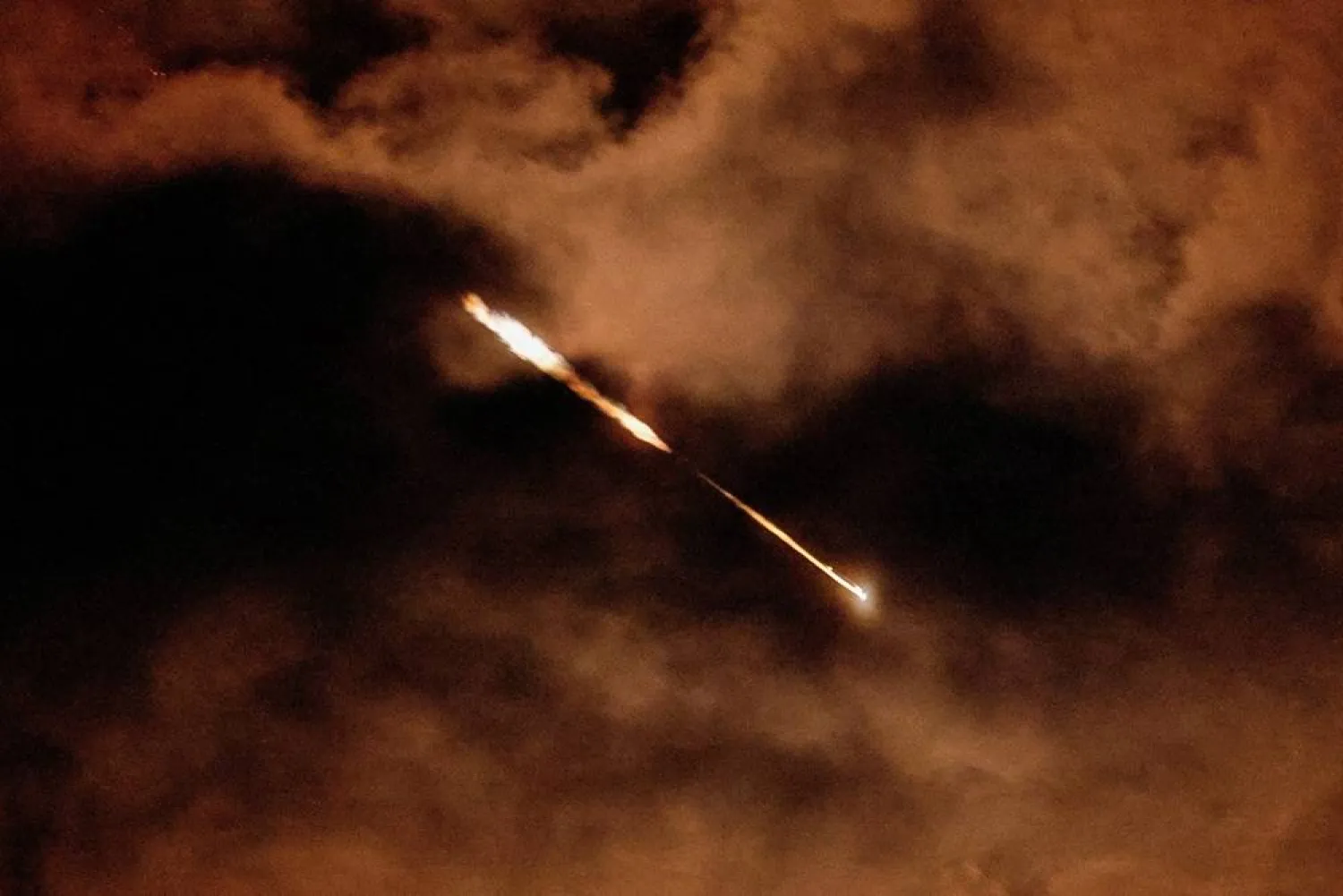
US Strikes Iran 30000 Targets: White House Confirms Massive Campaign as Trump Demands Immediate Reopening of Strait of Hormuz
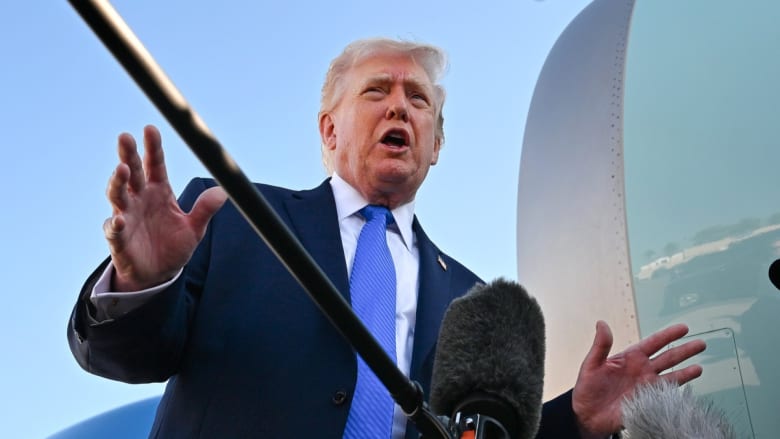
The United States struck more than 30,000 targets across Iran during its recent military campaign, according to White House officials, while President Donald Trump demanded the immediate reopening of the Strait of Hormuz despite a temporary ceasefire agreement reached after 40 days of conflict.
White House Press Secretary Karoline Leavitt made the announcement during a press briefing on Wednesday. She described any disruption to the vital shipping lane as “completely unacceptable” and reiterated President Trump’s demand that it be reopened “immediately, quickly, and safely.”
The statement comes as both Washington and Tehran navigate the fragile truce that halted direct hostilities between the US and Iran. The 40-day campaign involved intense airstrikes, naval operations, and proxy engagements that significantly disrupted global energy markets and raised fears of a wider regional war.
Leavitt’s comments also highlighted ongoing diplomatic efforts. She confirmed that a US delegation led by Vice President JD Vance would travel to Islamabad on Saturday for negotiations with Iranian representatives. The team includes special envoy Steve Witkoff and senior adviser Jared Kushner.
On the Lebanon front, Leavitt noted that the current ceasefire framework does not yet extend to Hezbollah’s attacks on Israel. She said President Trump would discuss the possibility of expanding the truce during talks with Israeli Prime Minister Benjamin Netanyahu.
Transatlantic relations also featured prominently. Leavitt stated that NATO had “turned their backs” on the United States during the Iran crisis. She added that Trump planned to raise the issue directly with NATO Secretary-General Mark Rutte, including the possibility of Washington reconsidering its membership in the alliance.
The White House confirmed separate high-level discussions with China regarding the Iran conflict, though no further details were disclosed.
**Background on the 40-Day Campaign**
The military confrontation escalated rapidly after Iranian-backed forces launched attacks on US-linked targets across the Gulf region. In response, the US launched a sustained air and naval campaign targeting Iranian military infrastructure, missile production sites, and command nodes.
Over the course of the operation, US forces conducted thousands of sorties and precision strikes. The campaign focused on degrading Iran’s ability to project power through its ballistic missile arsenal and proxy networks.
The Strait of Hormuz, through which approximately 20% of global oil trade passes, became a flashpoint. Iranian forces threatened to close the waterway in retaliation, prompting US warnings of severe consequences. The temporary ceasefire has paused direct hostilities, but the status of the strait remains a core point of contention.
**Strategic and Economic Implications**
The disruption to shipping in the Strait of Hormuz caused immediate spikes in global oil prices. Reopening the strait safely is not only a military priority but also a critical economic imperative for major importers worldwide.
For Iran, the campaign inflicted significant damage on its military infrastructure. Tehran has signaled willingness to engage in talks, possibly seeking sanctions relief in exchange for de-escalation. The involvement of Pakistan as a mediator reflects the complex regional diplomacy at play.
The exclusion of Lebanon from the current ceasefire framework is particularly notable. Hezbollah’s continued attacks on Israel have kept the northern front active, complicating any broader regional de-escalation.
**NATO and Transatlantic Dynamics**
Leavitt’s criticism of NATO reflects longstanding frustrations with burden-sharing. During the Iran crisis, several European allies expressed caution about direct involvement. Trump has repeatedly argued that the US shoulders a disproportionate share of NATO’s defense costs.
The upcoming meeting with NATO Secretary-General Mark Rutte is expected to address these tensions.
**Humanitarian and Regional Impact**
The conflict has caused significant humanitarian suffering. Civilian casualties and infrastructure damage in Iran have drawn international concern. Aid organisations have called for unimpeded access to affected areas.
The broader Middle East remains volatile. Any breakdown in the ceasefire could quickly reignite multi-front hostilities.
Strategy Battles will continue monitoring developments in the Iran conflict, including the Vance-led talks in Islamabad, the status of the Strait of Hormuz, and any expansion of the ceasefire framework to Lebanon.
Strategy Battles — Related Coverage
Sources
©StrategyBattles.net 2026
This article is for news and analysis purposes only. It is based on publicly available news sources and military updates. All rights reserved. Original reporting may come from various open sources. Not for commercial reuse without permission.