US Iran Troop Deployment 10,000 More Forces Sent as Blockade Tightens and Talks Near Restart
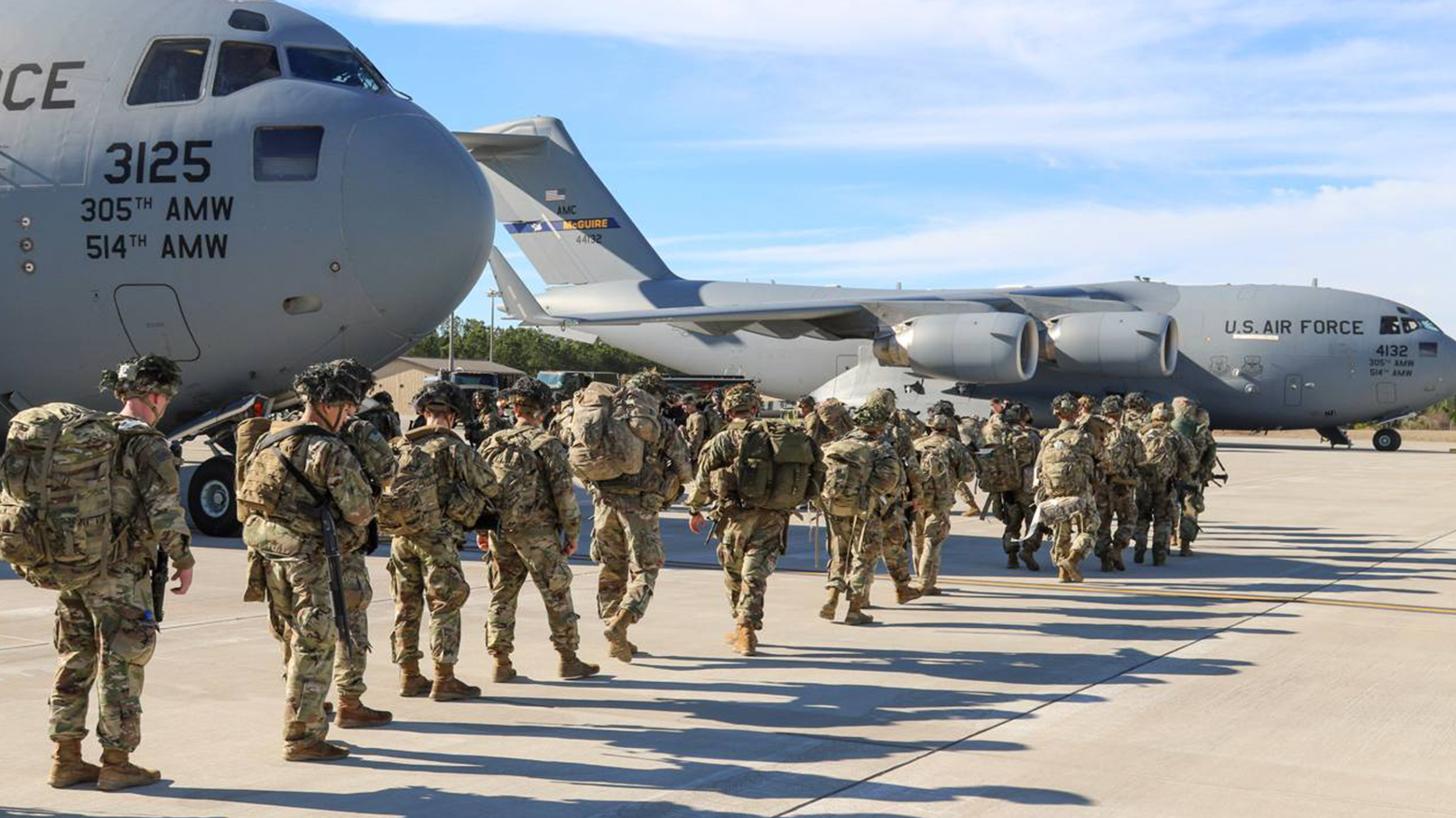
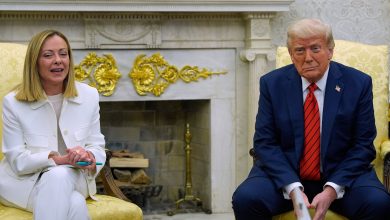
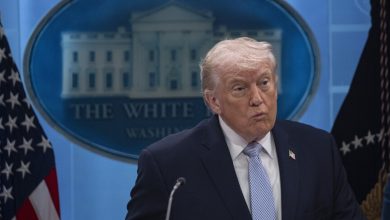
Washington is turning up the heat on Tehran simultaneously on two fronts — military force and economic pressure — while signalling that diplomacy is not dead. The Pentagon is deploying thousands of additional troops to the Middle East, CENTCOM has declared the Iran maritime blockade fully implemented, and President Trump told the New York Post that a new round of talks with Iran could happen in Pakistan “over the next two days.” In a separate FOX Business interview he said the war was “very close to being over.”
The incoming forces include approximately 6,000 troops aboard the aircraft carrier USS George H.W. Bush and its escorting warships, plus a further 4,200 personnel from the Boxer Amphibious Ready Group and the 11th Marine Expeditionary Unit, expected to arrive by the end of the month. That would bring total U.S. personnel in the region to approximately 60,000 — joining the 50,000 already there — with the two-week ceasefire set to expire on April 22.
On the blockade, CENTCOM declared it had been “fully implemented” and claimed American forces had “completely halted economic trade going into and out of Iran by sea.” Maritime tracking data told a more complicated story — several vessels departing Iranian ports were recorded crossing the Strait of Hormuz regardless. The gap between CENTCOM’s statement and what ship-tracking platforms are showing in real time remains an open question.
Pakistan confirmed it is preparing for a second round of U.S.-Iran talks, with Prime Minister Shehbaz Sharif embarking on a four-day diplomatic trip to Saudi Arabia, Qatar and Turkey to support the mediation effort. At the centre of any deal remains the nuclear question — VP Vance confirmed the U.S. proposed a 20-year suspension of Iran’s uranium enrichment during the Islamabad talks; Iran is said to have countered with a five-year suspension, which Washington rejected. Vance framed it as a “grand bargain” — offering Iran economic revival in exchange for a permanent commitment not to develop a nuclear weapon.
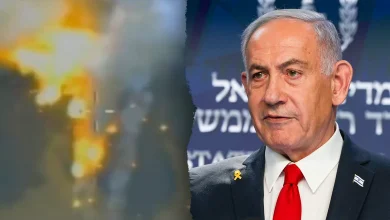
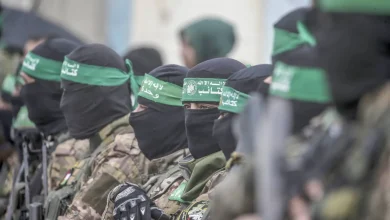
Elsewhere in the region, Israel and Lebanon held their first direct high-level diplomatic talks since 1993, mediated by Secretary of State Marco Rubio in Washington — but Israeli strikes south of Beirut and Hezbollah rocket fire into Israel continued on the same day, underlining how fragile the wider ceasefire picture remains. Analysts note the U.S. blockade is also partly aimed at pressuring China — the largest buyer of Iranian oil — to use its leverage over Tehran. Xi Jinping met Russia’s Sergei Lavrov in Beijing, with both countries pledging to push for de-escalation.
Strategy Battles Assessment
The U.S. is deploying more troops while simultaneously signalling talks can restart — a classic maximum-pressure-plus-off-ramp posture. The ceasefire expires in seven days. If a second round of talks in Islamabad does not happen before April 22, the military buildup will either need to resume active operations or be held in a costly state of indefinite readiness. Trump saying the war is “very close to being over” reads as optimism — but the 20-year vs five-year enrichment gap that broke Islamabad remains unresolved.
Strategy Battles — Related Coverage
Sources
- Kurdistan24 — US Ramps Up Pressure on Iran with Troop Deployment and Blockade (April 15, 2026)
- Anadolu Agency — US to Deploy Thousands More Troops to Middle East (April 15, 2026)
Editorial Verification
Troop deployment figures and vessel identities are sourced to Kurdistan24’s confirmed reporting. Trump’s direct quotes are attributed to the New York Post and FOX Business interviews. The 20-year vs five-year enrichment gap is sourced to Kurdistan24’s confirmed reporting of the Islamabad proposals. Original editorial analysis by Strategy Battles.
Approved for Publication
Marcus V. Thorne
Lead Editor, Strategy Battles
©StrategyBattles.net 2026
This article is for news and analysis purposes only. It is based on publicly available news sources and military updates. All rights reserved. Not for commercial reuse without permission.