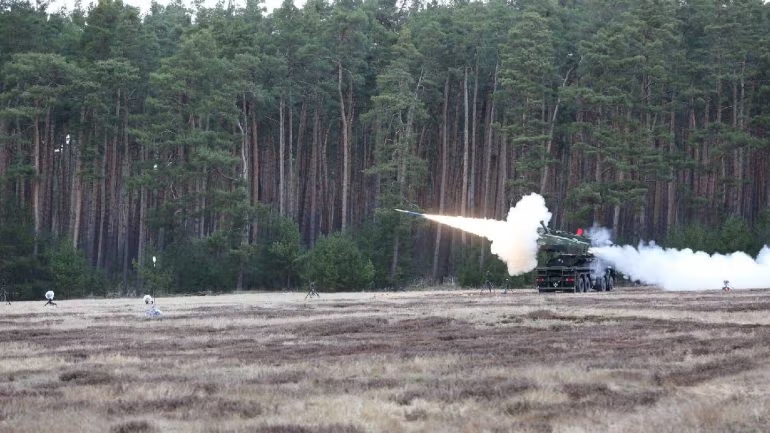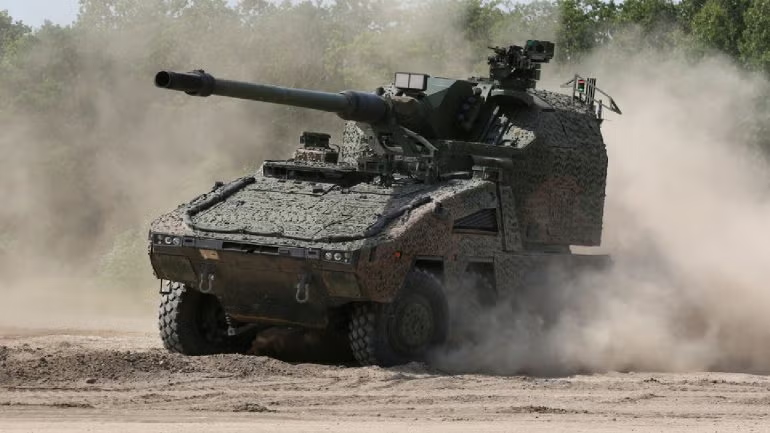
NATO Intercepts Russian Bombers Baltic Sea Six Nations Scramble as Tu-22M3s and Ten Fighters Fly Four-Hour Mission
2
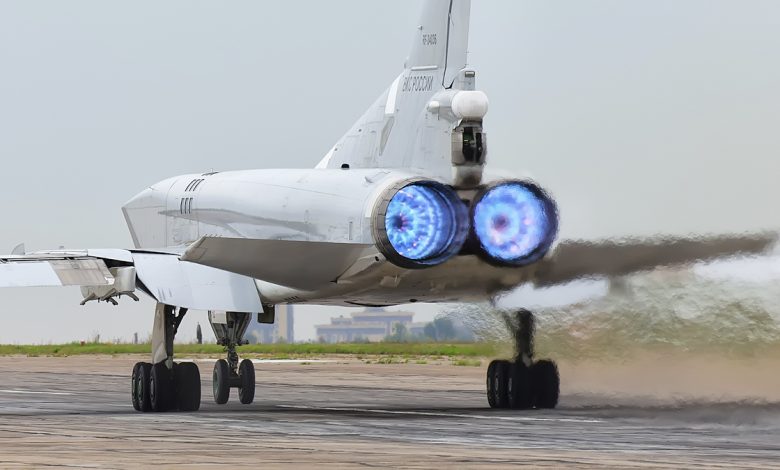
Tu-22M3 Strategic Bombers
~10
Su-30/Su-35 Fighter Escort
4+ hrs
Duration of Russian Flight
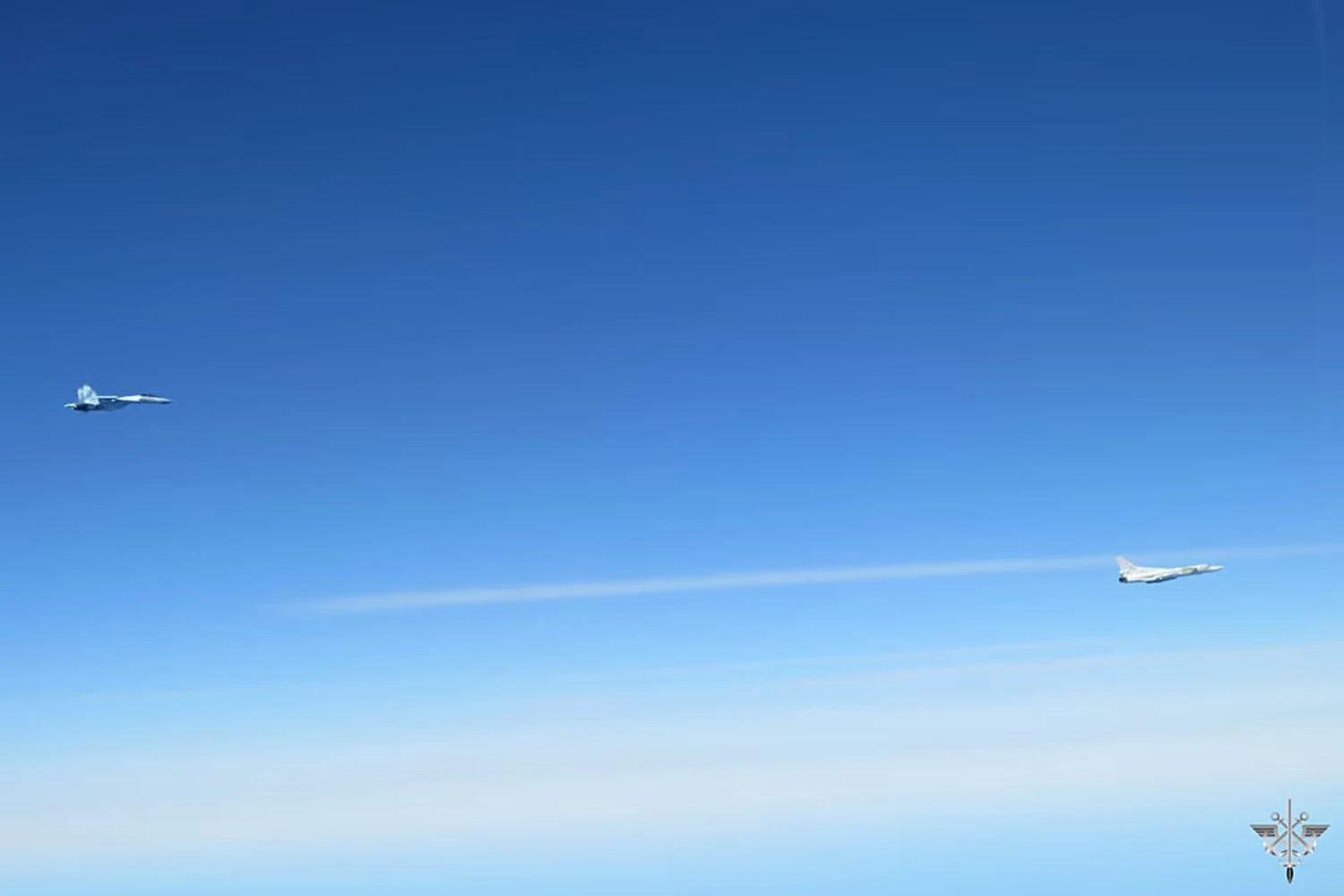
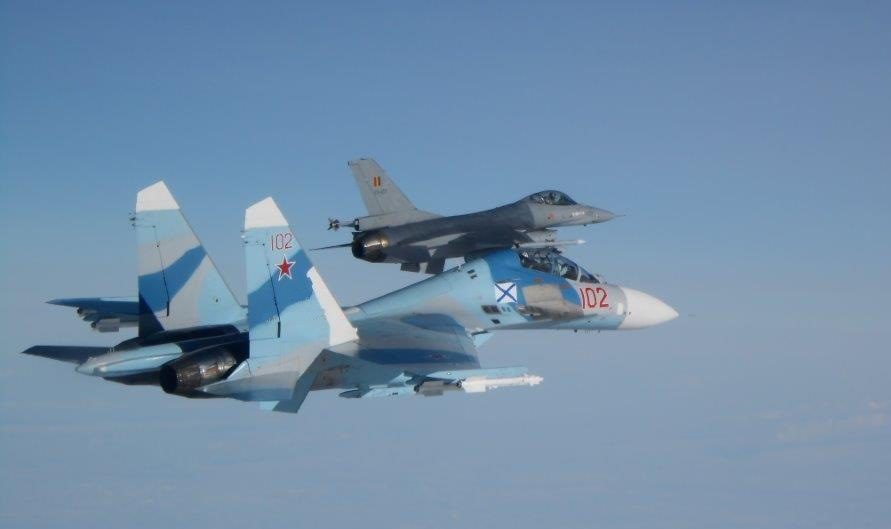
NATO fighters from six Alliance nations intercepted Russian strategic bombers and fighters over the Baltic Sea on April 20, 2026. Photo: UNN / Euronews.
📍 Baltic Sea — NATO Intercept of Russian Formation, April 20, 2026

Russian formation (2x Tu-22M3 + ~10x Su-30/Su-35) flew a 4-hour arc over neutral Baltic waters. Six NATO nations scrambled (Sweden, Finland, Poland, Denmark, Romania, France). Map: Strategy Battles / OSINT.
🔵 The Intercept
Russia’s Biggest Baltic Formation in Months — Bombers With Full Fighter Escort
NATO fighters from six Alliance countries were scrambled on Monday April 20 to intercept a significant Russian air formation over the Baltic Sea. According to the French military contingent based in Lithuania under NATO’s Baltic Air Policing mission, the Russian flight involved two Tu-22M3 strategic bombers — NATO designation “Backfire” — escorted by approximately ten Su-30 and Su-35 fighters. The formation flew for more than four hours over neutral waters of the Baltic.
Nations that scrambled fighters in response included Sweden, Finland, Poland, Denmark, Romania and France — with French Rafales from the Lithuania-based Baltic Air Policing detachment among those that rose to intercept. The Russian Ministry of Defence confirmed the flight was planned and said it complied with international rules for flight over neutral waters. NATO noted that such interceptions occur regularly and that Russian aircraft frequently do not use transponders, do not contact air traffic control and do not file flight plans — practices that force Alliance nations to scramble regardless of the stated purpose of the flight.
French Rafale fighters on NATO Baltic Air Policing duty — France’s Rafales based in Lithuania were among six nations that scrambled to intercept the Russian formation on April 20. Photo: French Air and Space Force.
🟡 The Aircraft
Tu-22M3 Backfire — Russia’s Long-Range Maritime Strike Bomber
The Tu-22M3 Backfire is Russia’s primary long-range maritime strike and land-attack bomber. It carries cruise missiles, anti-ship missiles and conventional or nuclear gravity bombs with a combat radius that covers all of NATO’s Baltic and Nordic flanks from Russian bases without mid-air refuelling. Russia has used the Tu-22M3 extensively in Ukraine — it was a Tu-22M3 strike that killed dozens in the Kremenchuk shopping centre attack in 2022, and the aircraft has been used in multiple high-profile strikes on Ukrainian cities. Several have been lost to Ukrainian air defences during the war.
Flying two Backfires with a ten-aircraft Su-30/Su-35 escort is an unusual force package for a routine training flight. The escort-to-bomber ratio suggests either a deliberate show-of-force mission or an exercise designed to test the reaction time and identification procedures of NATO’s Baltic Air Policing network — now staffed by six nations simultaneously following Finland and Sweden’s accession to the Alliance.
🟢 Why It Matters Now
Baltic Pressure While NATO Watches Iran — Russia Tests the Alliance’s Eastern Flank
The timing of this mission — on the day before the Islamabad II Iran-U.S. talks and with global attention focused on the ceasefire deadline — is not incidental. Russia has consistently used periods of concentrated Western attention on other theatres to probe NATO’s eastern flank. The Baltic has been a primary test arena: Russian aircraft have increasingly avoided transponder use and air traffic control contact, forcing Alliance nations into repeated interceptions that confirm response times, coordination procedures and coverage gaps.
The six-nation response is itself significant. Sweden and Finland’s full integration into Baltic Air Policing since their NATO accession has substantially deepened the Alliance’s coverage in the High North and Baltic approaches. The combination of Polish, Romanian, Danish, Swedish, Finnish and French fighters responding to a single Russian formation demonstrates a coordinated multi-national capability — but also underscores how much Alliance airspace management depends on constant vigilance against an adversary that routinely flies without transponders in one of the world’s busiest civil aviation corridors.
Strategy Battles Assessment
Two Tu-22M3s with a ten-ship fighter screen is not a training flight. It is a statement. Russia is reminding NATO that its Baltic flank is still contested airspace, that long-range maritime strike bombers are still operational and available, and that the Alliance’s attention being divided between Iran, Ukraine and its own political dynamics does not reduce the eastern flank threat. The six-nation scramble is the right response — visible, coordinated and unambiguous. The four-hour duration of the Russian flight suggests Moscow wanted to be seen for as long as possible.
Strategy Battles — Related Coverage
Sources
- Ukrainian National News (UNN) — NATO Fighters Intercepted Russian Planes Over the Baltic Sea (April 21, 2026)
- Euronews — NATO Baltic Air Policing Intercept Report (April 21, 2026)
Editorial Verification
Aircraft types (Tu-22M3 x2, Su-30/Su-35 approximately 10), nations scrambled (Sweden, Finland, Poland, Denmark, Romania, France with Rafales), flight duration (4+ hours), location (neutral Baltic waters) and Russian MoD confirmation of planned flight are all sourced to UNN citing Euronews and the French military contingent’s statement in Lithuania. The NATO note on transponder non-use is standard Alliance posture confirmed in multiple prior intercept reports. Original editorial analysis by Strategy Battles.
Approved for Publication
Marcus V. Thorne
Lead Editor, Strategy Battles
©StrategyBattles.net 2026
This article is for news and analysis purposes only. Based on publicly available news sources and military updates. All rights reserved. Not for commercial reuse without permission.