Russia and Ukraine Agree 32-Hour Easter Ceasefire
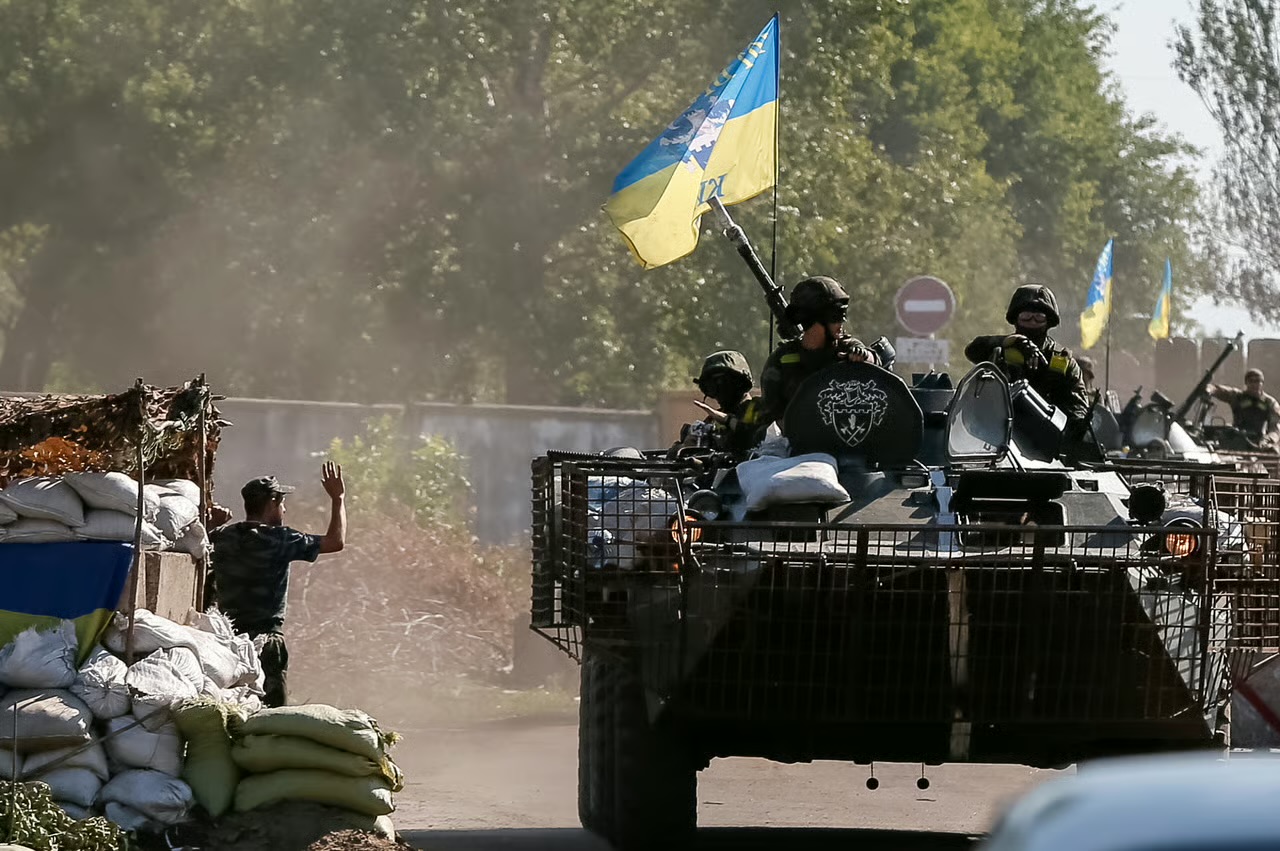
KYIV / MOSCOW, April 11, 2026 — Russian President Vladimir Putin declared a 32-hour ceasefire in Ukraine on Thursday April 9 to cover the Orthodox Easter holiday weekend, with Ukrainian President Volodymyr Zelenskyy confirming that Kyiv will honour the pause. The truce runs from 4pm Moscow time on Saturday April 11 to the end of Sunday April 12 — the date Eastern Orthodox Christians in both countries celebrate Easter. Both leaders have agreed. Both armies remain on high alert. And the last time Russia declared an Easter ceasefire, Zelenskyy accused Moscow of violating it nearly 3,000 times. This is the context in which the current pause must be understood.
Easter Ceasefire — Confirmed Terms
- Duration: 32 hours — 4:00pm Moscow time Saturday April 11 to end of Sunday April 12, 2026
- Declared by: Russian President Vladimir Putin — Kremlin decree Thursday April 9
- Ukraine’s response: Zelenskyy confirmed Kyiv will honour the ceasefire — Telegram statement April 9
- Kremlin caveat: Russian troops ordered to “halt combat operations on all fronts” but remain “ready to repel any possible provocations”
- Pre-ceasefire consultation: The Kremlin confirmed the ceasefire was NOT discussed in advance with Ukraine or the United States — not linked to negotiations
- Zelenskyy’s original proposal: Zelenskyy had proposed a ceasefire on energy infrastructure over Easter — delivered to Russia via the United States
- Historical precedent: 2025 Easter ceasefire — 30 hours — Zelenskyy accused Russia of 2,900+ violations — Russia accused Ukraine of nearly 5,000 violations
What Putin Declared — and What It Means in Practice
The Kremlin’s formal decree, published Thursday, ordered Russian forces to observe a ceasefire on all fronts beginning at 4pm Moscow time on Saturday and running until midnight at the end of Sunday. The decree cited “the approaching Orthodox feast of Easter” as justification. Defence Minister Andrei Belousov was instructed to pass the order to Chief of the General Staff Valery Gerasimov, according to Al Jazeera. The Kremlin statement said Russian forces would remain “on high alert to respond to any violations.”
The qualification matters. A ceasefire that orders troops to halt operations while simultaneously ordering them to be “prepared to counter any provocations” is not a ceasefire in the conventional sense. It is a conditional pause with a built-in justification for resuming fire at any moment. Every previous Russian ceasefire declaration in this conflict has included the same language — and every previous Russian ceasefire has been followed by accusations from both sides of violations within hours of the truce beginning.
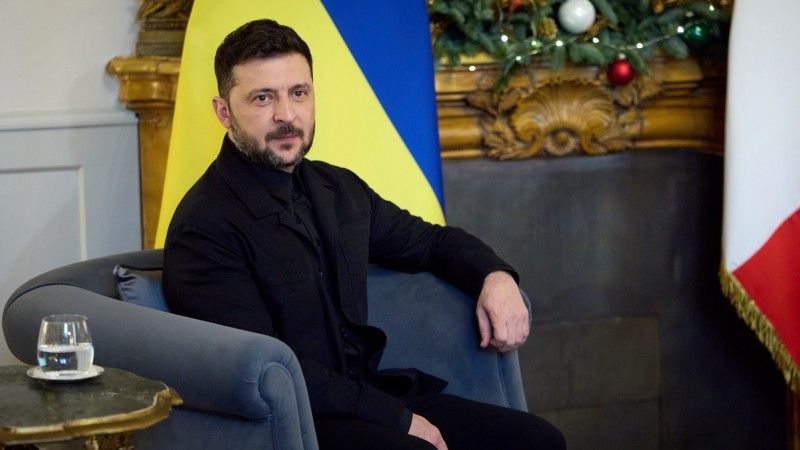
Zelenskyy, for his part, confirmed Ukraine’s agreement in measured terms. “Ukraine has repeatedly stated that we are ready for reciprocal steps. We proposed a ceasefire during the Easter holiday this year and will act accordingly,” he wrote on Telegram, according to Al Jazeera. He added a pointed message to Moscow: “Russia has a chance not to return to attacks even after Easter.” The conditional framing of that sentence — a chance, not an expectation — reflects four years of experience with Russian ceasefire commitments.
“People need an Easter without threats and a real move towards peace. Russia has a chance not to return to attacks even after Easter.”
— President Volodymyr Zelenskyy, Telegram statement, April 9, 2026, as reported by Al Jazeera
Attacks Continued After the Announcement
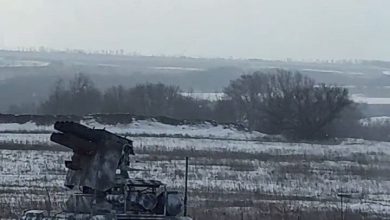
Within hours of Putin’s ceasefire declaration — before the truce had even begun — Russian attacks continued. The governor of the Dnipropetrovsk region, Oleksandr Ganzha, reported on Telegram that Russian artillery and aerial attacks had killed two civilians and struck three districts of the region approximately 30 times with drones and artillery, according to Al Jazeera. This occurred after the ceasefire announcement but before the formal start time — a pattern that has become routine in this conflict. Russia declares a pause. Attacks continue. Each side prepares its list of the other’s violations.
The week leading into Easter Sunday had already been one of intense violence. According to the Kyiv Independent, Russian attacks killed at least 16 people and injured 94 in a single day in early April. A Russian drone struck a market in Nikopol, Dnipropetrovsk Oblast, killing at least five people and injuring 27 on April 4. Russia dropped a wartime record number of glide bombs on Ukraine in March — 8,000 in a single month.
What the 2025 Easter Ceasefire Actually Looked Like
The record of the previous Easter ceasefire, declared by Putin in April 2025, is instructive. Putin declared a 30-hour truce. Zelenskyy agreed. Within hours, both sides accused the other of violations. Zelenskyy publicly stated that Russia violated the ceasefire nearly 3,000 times across all fronts during the 30-hour window, according to the Kyiv Post. Russia, for its part, accused Ukraine of nearly 5,000 violations. Russia maintained it “strictly observed the ceasefire and remained at previously occupied lines.” The moment the truce ended, Russian forces resumed full-scale operations — with drones and missiles hitting the Dnipropetrovsk and Mykolaiv regions within hours of the ceasefire expiring.
PBS News noted that Russia has effectively rejected a 30-day unconditional truce proposed last year by the U.S. and Ukraine as a step toward peace, insisting instead on a comprehensive settlement — yet Moscow continues to announce short, unilateral ceasefires that serve primarily as propaganda tools rather than genuine pauses in hostilities.
Easter 2025 Ceasefire — What Actually Happened
- Duration declared: 30 hours — April 19 6pm Moscow time to midnight April 20/21, 2025
- Ukraine’s claimed Russian violations: Approximately 2,900 — Zelenskyy public statement
- Russia’s claimed Ukrainian violations: Approximately 5,000 — Kremlin statement
- Civilian casualties during ceasefire: At least 3 killed, 3 injured — confirmed
- What happened when ceasefire ended: Russia immediately resumed strikes — drones and missiles hit Dnipropetrovsk and Mykolaiv within hours — Kyiv Post confirmed
- Verdict: Ceasefire largely did not hold — accusations flew from both sides throughout
The Diplomatic Background — Stalled Talks, Shifted Attention
The Easter ceasefire is not connected to any broader peace framework. The Kremlin explicitly confirmed the announcement was not discussed in advance with Ukraine or the United States and is not linked to ongoing negotiations, according to Pravda Ukraine. U.S.-led peace talks between Russian and Ukrainian delegations have made no progress on key issues. Washington’s attention has substantially shifted toward the Iran war and the Islamabad negotiations between the U.S. and Iran, leaving the Ukraine file without the diplomatic momentum it had earlier in the year.
Russia’s longstanding position — demanding that Ukraine formally cede the four oblasts Moscow has annexed but not fully conquered, including Luhansk, Donetsk, Kherson, and Zaporizhzhia — remains unchanged. Ukraine continues to reject any territorial concessions as a precondition for negotiations. The U.S. has indicated it will provide security guarantees to Ukraine only after a comprehensive peace deal is reached — linking those guarantees to resolving the territorial dispute and creating what the Kyiv Independent describes as a diplomatic deadlock with no clear exit.
Zelenskyy himself was candid about the outlook. “This spring-summer period will be quite difficult politically and diplomatically. There may be pressure on Ukraine,” he said, according to Al Jazeera. “There will also be pressure on the battlefield.” He warned that the coming months could prove decisive, as Kyiv faces sustained Russian attacks and shifting geopolitical priorities among its allies — with the Middle East conflict drawing resources, attention, and diplomatic bandwidth away from Ukraine.
Why Orthodox Easter Falls on a Different Date
Easter falls on April 12 this year for Orthodox Christians in Russia and Ukraine because most Orthodox churches use the Julian calendar for religious festivals rather than the Gregorian calendar adopted by Western churches in 1582. The Julian calendar runs approximately 13 days behind the Gregorian calendar, which is why Orthodox Easter typically falls one to five weeks after Western Easter. This year Western Easter was observed on April 5, while Orthodox Easter falls on April 12. Both Russia and Ukraine observe the Orthodox date, which is one reason a ceasefire framed around the holiday carries symbolic weight for soldiers and civilians on both sides — and why it is a recurring feature of Russian diplomatic signalling, according to CNN.
Analysis
A 32-hour Easter ceasefire in a war now in its fifth year, with no connection to any broader peace process, no advance coordination with mediators, and a built-in caveat allowing Russian forces to resume operations at the first sign of “provocation” — this is not a peace initiative. It is a message management exercise. Russia gets to signal humanitarian intent to domestic and international audiences without making any strategic concession. If the ceasefire holds, Moscow claims credit. If it collapses — which history strongly suggests it will, at least partially — Russia blames Ukrainian provocations and the narrative machine continues. The meaningful question is not whether this ceasefire holds for 32 hours. It is whether the shift in Washington’s attention toward Iran creates the conditions for Russia to push harder on the front line in the weeks and months ahead, as Ukraine faces a spring-summer of compounding pressure that Zelenskyy himself is warning about. That is the story. The Easter truce is a footnote to it.
Strategy Battles — Related Coverage
Editorial Verification
This report has been reviewed for factual accuracy and cross-referenced against the official Kremlin decree, Zelenskyy’s Telegram statement, verified international news reporting, and the documented record of the 2025 Easter ceasefire.
Approved for Publication
Marcus V. Thorne
Lead Editor, Strategy Battles
Sources
- Washington Times — Russia and Ukraine Say They’ll Observe Weekend Ceasefire for Orthodox Easter Holidays (April 10, 2026)
- Al Jazeera — Russia and Ukraine Agree to 32-Hour Orthodox Easter Ceasefire (April 10, 2026)
- CNN — Russia’s Putin Declares Ceasefire with Ukraine for Orthodox Easter (April 10, 2026)
- PBS News — Putin Declares Weekend Ceasefire in Russia’s War Against Ukraine for Orthodox Easter
- CBS News — Putin Declares 32-Hour Ceasefire in Ukraine for Orthodox Easter (April 9, 2026)
- Kyiv Post — Russia Strikes Ukraine Immediately After Easter Truce Ends (April 21, 2025) — 2025 historical record
- Kyiv Independent — Ukraine War Latest: Pre-Easter Attacks and Ceasefire Context
©StrategyBattles.net 2026
This article is for news and analysis purposes only. It is based on publicly available news sources and military updates. All rights reserved. Original reporting may come from various open sources. Not for commercial reuse without permission.