MQ-4C Triton Navy Confirms $240 Million Spy Drone Crashed During Operation Epic Fury
$240m
Drone Unit Cost
8×
Costlier than MQ-9
20
Total MQ-4Cs in Navy Fleet
24hrs+
Max Endurance
50,000ft
Operating Altitude
Apr 9
Date of Crash
📍 MQ-4C Triton Operating Area — Persian Gulf / Strait of Hormuz

The MQ-4C Triton was operating from NAS Sigonella, Sicily, flying surveillance missions over the Persian Gulf region. It disappeared from tracking sites on April 9 in the approximate area shown. The U.S. Navy has not disclosed the exact crash location. Map: Strategy Battles / OSINT.
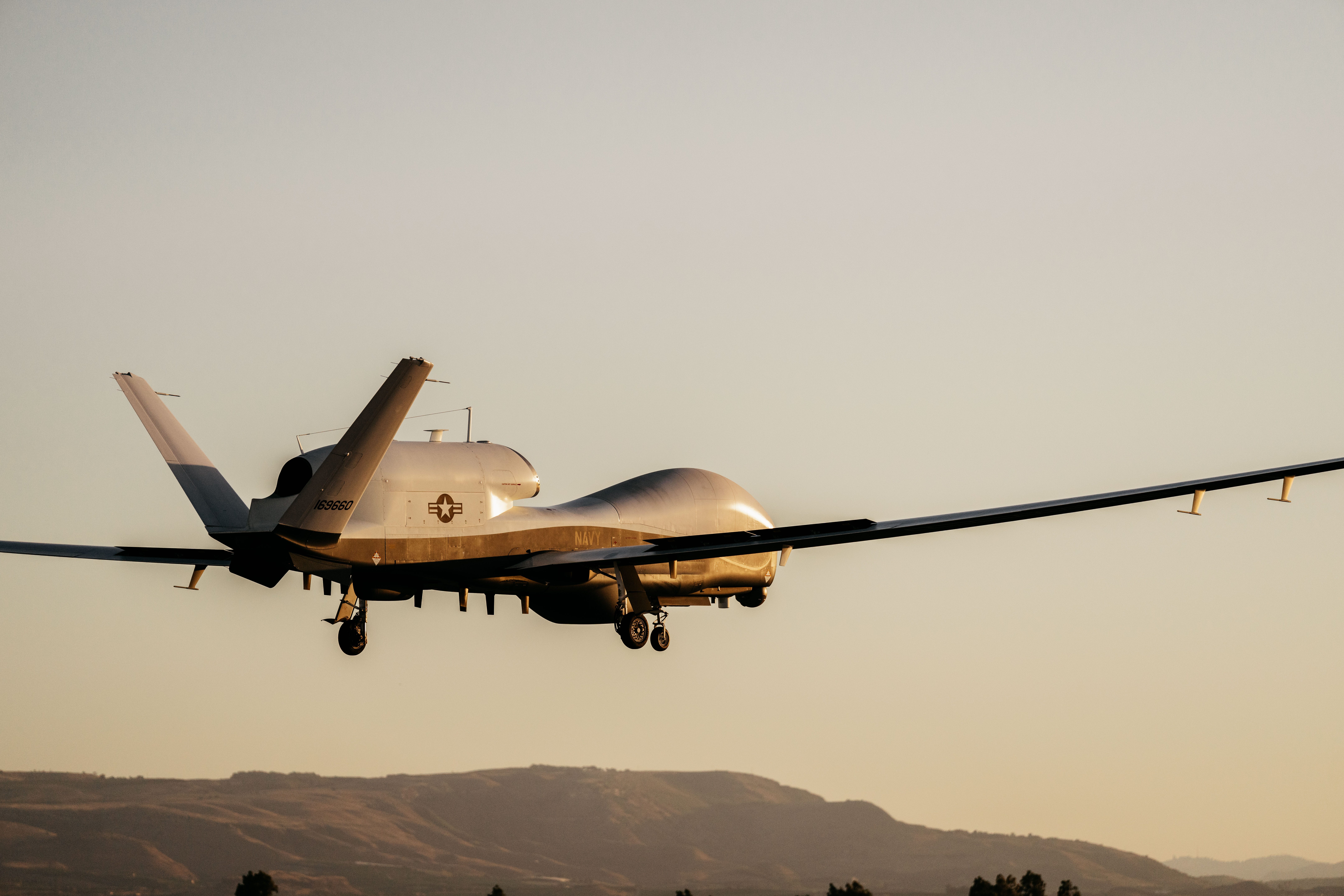
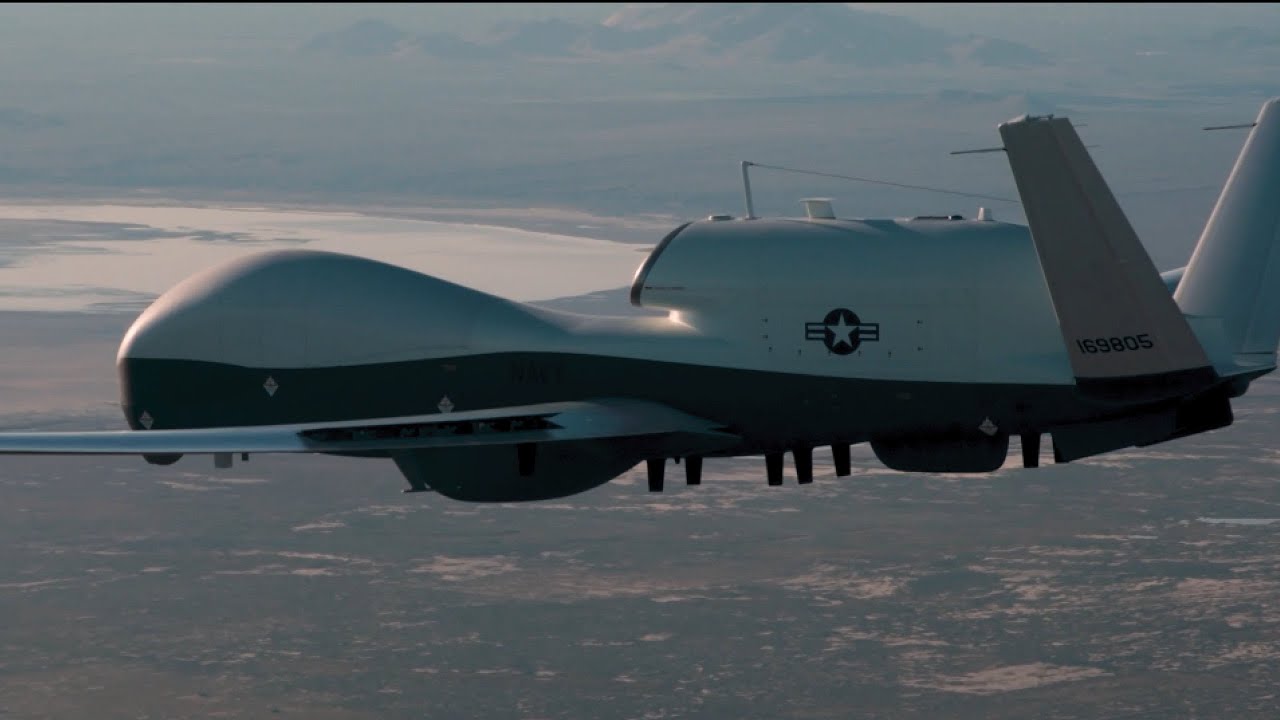
An MQ-4C Triton prepares to land at Naval Air Station Sigonella, Italy — the base the lost drone was operating from. The Navy confirmed in a new mishaps report that one MQ-4C crashed on April 9, 2026, during the Iran war. It is the first-ever combat loss of this aircraft. Photo: U.S. Navy via AOL/Business Insider.
🔴 Confirmed Loss
The Navy’s Most Expensive Drone — Gone
The U.S. Navy has confirmed the loss of an MQ-4C Triton — its most expensive unmanned aircraft, valued at approximately $240 million per unit — during Operation Epic Fury. The Naval Safety Command disclosed the crash in a new aviation mishaps report, listing the incident under Class A status, meaning the loss exceeded $2.5 million in damage or the aircraft was destroyed entirely. The report confirmed the crash occurred on April 9. No personnel were injured.
The location of the crash was not disclosed by the Navy, citing operational security. However, the circumstances had already been tracked in open source. An MQ-4C operating out of Naval Air Station Sigonella in Sicily, Italy, was conducting a surveillance mission over the Persian Gulf when it rapidly and suddenly descended and disappeared entirely from flight-tracking sites last week — prompting immediate speculation it had gone down in the Middle East. The Naval Safety Command report, first flagged by The War Zone, confirmed what the tracking data had suggested. Neither CENTCOM nor the Navy provided any explanation for the cause of the loss.
🟡 What Was Lost
The MQ-4C Triton — Eight Times the Cost of a Reaper
The MQ-4C Triton is built by Northrop Grumman and designed specifically for maritime intelligence, surveillance and reconnaissance. It operates at up to 50,000 feet and can stay airborne for more than 24 hours — making it ideal for sustained wide-area surveillance over the Persian Gulf and Strait of Hormuz. As of last year the Navy was operating a total fleet of just 20 MQ-4Cs, meaning the loss of one represents 5% of the entire programme in a single incident.
At $240 million per aircraft, the Triton costs roughly eight times as much as an MQ-9 Reaper — the Air Force’s standard combat drone, 17 of which were also shot down during Operation Epic Fury. While the Reaper is a weapons-capable strike platform, the Triton is a pure intelligence asset, designed to feed targeting data, track vessels, and provide persistent overhead surveillance across vast maritime areas. Its loss removes a significant ISR capability from the theatre at precisely the moment the Navy is trying to enforce a blockade across the entire Iranian coastline.
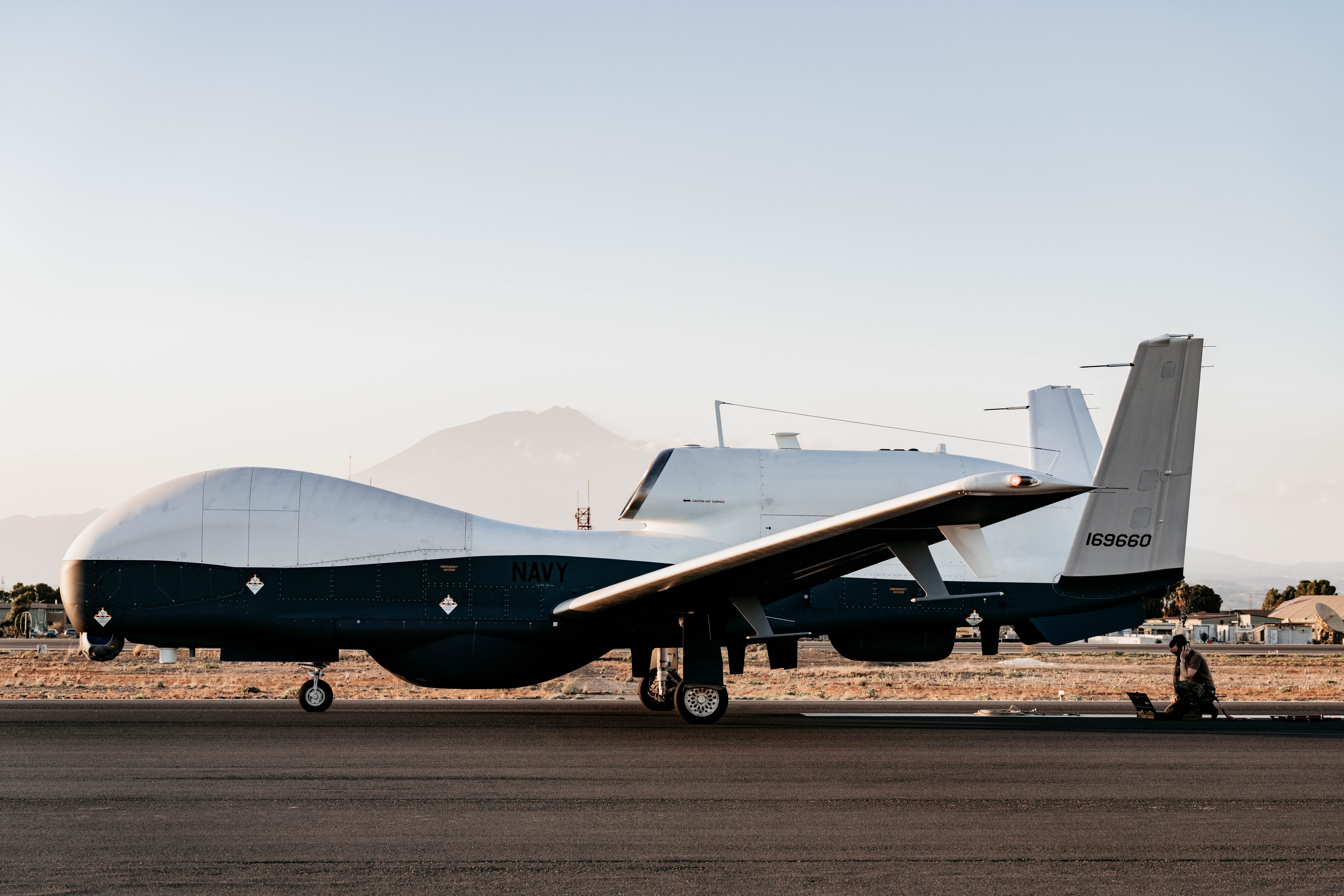
Post-flight checks on an MQ-4C Triton at NAS Sigonella — the base the lost aircraft was operating from. The Navy has confirmed the loss but has not disclosed the cause or location. Photo: U.S. Navy via AOL/Business Insider.
🔵 Bigger Picture
Where the Triton Sits in the Full Losses Picture
The Triton loss adds a significant new line to the Iran war’s growing aircraft attrition ledger. Operation Epic Fury has already seen four F-15E Strike Eagles destroyed, one F-35A damaged in the first known combat hit on a fifth-generation fighter, two A-10s lost, 17 MQ-9 Reapers shot down, multiple KC-135 tankers lost or damaged, and an E-3 Sentry AWACS destroyed at Prince Sultan Air Base. The Triton is the most expensive single unmanned aircraft loss of the entire conflict — and unlike the MQ-9, it was not a weapons system but a surveillance platform whose loss directly degrades intelligence gathering capability.
The timing is notable. The crash happened on April 9 — one day after the ceasefire was declared and in the same window when the U.S. Navy was beginning mine-clearing and blockade preparation operations around the Strait of Hormuz. Whether the loss was related to Iranian action, a mechanical failure, or operational factors has not been addressed by the Navy or CENTCOM. Given the Navy’s silence and the operational security classification of the location, the question of what brought the drone down — or whether it simply failed — remains open.
Strategy Battles Assessment
A $240 million surveillance drone gone, with no cause given and no location disclosed. The Navy’s silence speaks to the sensitivity of the loss — either because of where it came down, what it might have been carrying, or who might have caused it. With only 20 MQ-4Cs in the entire fleet and the blockade now requiring sustained maritime surveillance across thousands of square miles of Iranian coastline, this is not just a financial loss. It is a capability gap at the worst possible moment.
Strategy Battles — Related Coverage
Sources
- Business Insider / AOL — US Navy Reveals It Lost a $240 Million Spy Drone During the Iran War (April 15, 2026)
- The War Zone — Navy MQ-4C Triton Surveillance Drone Crash in the Middle East Finally Confirmed (April 2026)
- U.S. Naval Safety Command — Class A Aviation Mishaps Report, April 2026
Editorial Verification
The MQ-4C loss is confirmed from the U.S. Naval Safety Command Class A mishaps report as reported by Business Insider and The War Zone. Cost, fleet size and capability details are sourced to official Navy and Northrop Grumman programme specifications. No cause for the crash has been officially stated — this article does not speculate on cause. Original editorial analysis by Strategy Battles.
Approved for Publication
Marcus V. Thorne
Lead Editor, Strategy Battles
©StrategyBattles.net 2026
This article is for news and analysis purposes only. It is based on publicly available news sources and military updates. All rights reserved. Not for commercial reuse without permission.