Four Israeli Soldiers Killed in Southern Lebanon Amid Hezbollah Clashes
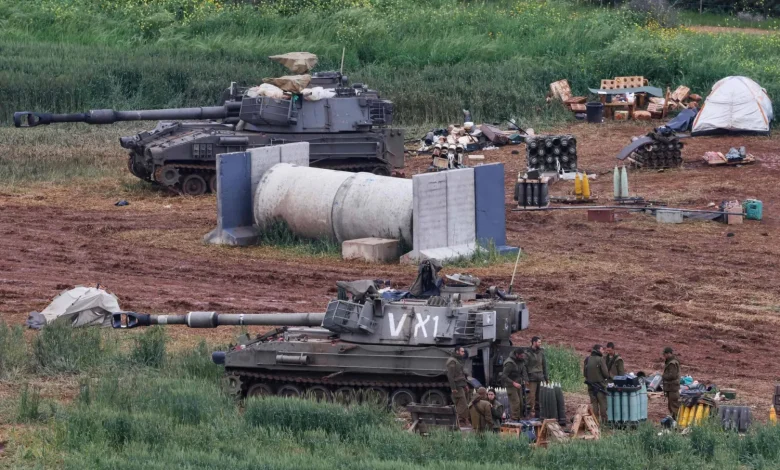
Israeli soldiers killed in Lebanon continue to rise as ground operations intensify in southern Lebanon.
The Israeli military announced on Tuesday that four soldiers were killed during combat operations against Hezbollah targets in the region. The army did not release further details about the exact location or circumstances of the incident.
This latest loss brings the total number of Israeli soldiers killed in southern Lebanon since the escalation with Hezbollah to at least several dozen. The deaths highlight the increasing intensity and human cost of the ongoing ground campaign in the area.
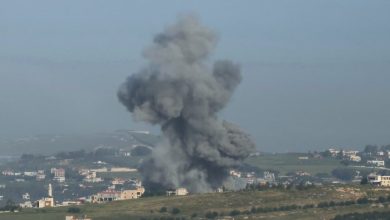
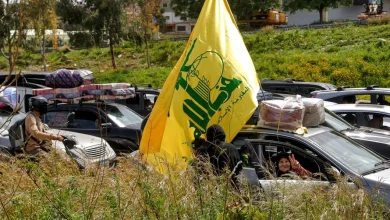
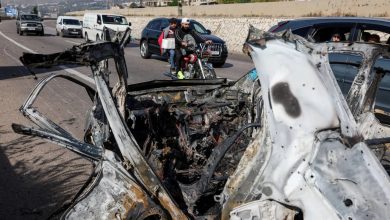
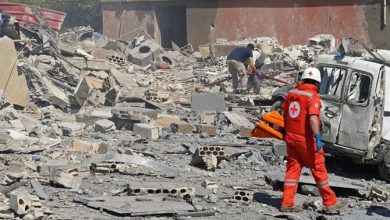
The incident comes as Israeli forces continue ground incursions, armored advances, and airstrikes in southern Lebanon amid persistent clashes with the Iran-backed Hezbollah group. Hezbollah has also reported casualties from recent Israeli strikes, indicating heavy fighting on both sides.
Tactical Analysis
Southern Lebanon has become one of the most challenging battlegrounds in the current conflict. The hilly terrain, numerous villages, and well-prepared Hezbollah defensive positions make advances difficult and costly for Israeli troops. Hezbollah fighters, who are deeply familiar with the local geography, have been effectively using anti-tank missiles, drones, and ambush tactics against advancing Israeli units.
Israeli forces have responded with heavy artillery support, airstrikes, and coordinated armored operations in an attempt to push Hezbollah fighters away from the border areas. However, the difficult terrain and strong defensive setups have resulted in higher-than-expected casualties for Israeli ground forces.
Military analysts note that this type of close-quarters and semi-urban warfare in southern Lebanon favors the defender. Hezbollah’s knowledge of the area, combined with pre-positioned weapons caches and tunnel networks, has allowed them to mount stiff resistance despite Israeli air superiority.
The high casualty rate among Israeli soldiers in this sector reflects the brutal reality of modern infantry combat against a well-entrenched and motivated opponent. Both sides continue to suffer significant losses as the fighting shows no immediate signs of de-escalation.
Broader Strategic Context
The clashes in southern Lebanon are part of a wider regional escalation that began after Hezbollah started launching rockets into Israel in solidarity with Iran. Since then, the conflict has expanded significantly, with both sides trading heavy blows across the border.
Hezbollah, backed by Iran, has demonstrated resilience and the ability to sustain prolonged fighting. Meanwhile, Israel has relied on its technological advantage and air power to degrade Hezbollah’s capabilities. However, ground operations in the difficult terrain of southern Lebanon have proven particularly costly.
This latest incident serves as a stark reminder of the dangers faced by soldiers on the ground and the complex nature of modern hybrid warfare involving state and non-state actors. As the conflict enters a new phase of intensified ground fighting, questions are being raised about the long-term sustainability of current military strategies in southern Lebanon and the potential for further escalation in the region.
From a tactical perspective, the fighting in southern Lebanon highlights the limitations of air power alone in asymmetric conflicts. While Israel maintains a clear advantage in the skies, Hezbollah’s ground-based tactics and local knowledge continue to exact a heavy toll on Israeli infantry units.
Strategy Battles will continue to monitor developments in southern Lebanon closely, including troop movements, weapons systems being used, and strategic shifts along the Blue Line. The situation remains fluid, with both sides engaged in daily operations that could have broader regional implications.
Copyright © 2026 Strategy Battles. All rights reserved. For news and analysis purposes only.