Ukraine Fallen Soldiers Repatriation: Bodies of 1,000 Fallen Returned Home in Largest Single Effort Since Russian Invasion
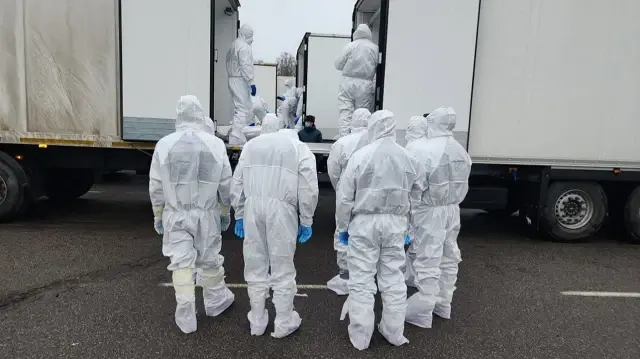
Ukraine has received the bodies of 1,000 fallen soldiers in the largest single repatriation effort since the beginning of the full-scale Russian invasion in 2022, according to Ukrainian authorities.
The Coordination Headquarters for the Treatment of Prisoners of War announced the successful return of the remains on Thursday. The repatriation was carried out through an agreed exchange process with Russia, facilitated by international mediators and humanitarian organisations.
This latest operation brings the total number of Ukrainian soldiers’ remains repatriated since the start of the war to several thousand. Many families have waited years for confirmation and the return of their loved ones, making these exchanges emotionally significant national moments.
The process involves complex logistical coordination, forensic identification using DNA testing, and diplomatic negotiations. Ukrainian officials have established dedicated units to search for missing persons and manage the return of remains, working closely with international partners.
The return of fallen soldiers is governed by international humanitarian law and has been a recurring topic in ceasefire and prisoner exchange talks. Both sides have periodically facilitated such transfers, though the scale and frequency have varied throughout the conflict.
For Ukraine, these repatriations remain a top humanitarian priority. The government continues to push for the return of all missing and fallen personnel as part of any future peace negotiations.
The development comes amid continued heavy fighting along multiple fronts in eastern Ukraine. Casualty figures on both sides remain high, though exact numbers are rarely disclosed in full by either government.
Strategy Battles will continue monitoring humanitarian developments in the Ukraine-Russia war, including further exchanges of prisoners and fallen soldiers. The scale of this single repatriation highlights the ongoing human cost of the conflict and the importance of humanitarian corridors even during active hostilities.
The Coordination Headquarters noted that identification processes rely heavily on DNA matching, which can take time but ensures accuracy for families. International organisations such as the International Committee of the Red Cross have played key roles in facilitating previous exchanges and are expected to continue supporting such efforts.
This repatriation also serves as a reminder of the broader challenges in accounting for the missing in modern conflicts. Ukraine has reported tens of thousands of soldiers missing or presumed dead since 2022, with many cases still unresolved.
The Ukrainian government has repeatedly called for the return of all fallen soldiers and prisoners of war as a basic humanitarian requirement, independent of larger political settlements. Russian authorities have occasionally reciprocated with their own repatriations, though the pace and transparency vary.
Public reaction in Ukraine to these returns is often marked by both grief and national solidarity, with ceremonies held to honour the deceased. The emotional weight of these moments underscores why repatriation remains a sensitive and important issue for Ukrainian society.
Strategy Battles will continue to track humanitarian developments in the Ukraine-Russia war and provide updates on future exchanges or related diplomatic efforts.
Strategy Battles — Related Coverage
Sources
- • Ukrinform — Bodies of 1,000 fallen Ukrainian soldiers returned home
- • Coordination Headquarters for the Treatment of Prisoners of War — Official statement on repatriation
©StrategyBattles.net 2026
This article is for news and analysis purposes only. It is based on publicly available news sources and military updates. All rights reserved. Original reporting may come from various open sources. Not for commercial reuse without permission.