Trump Considers New Iran Strikes and Naval Blockade After Peace Talks Collapse
WASHINGTON, April 13, 2026 — Trump considers new Iran strikes alongside a full naval blockade of the Strait of Hormuz — that is the stark reality facing the Middle East on Monday April 13, less than 24 hours after the Islamabad peace talks collapsed without a deal. According to officials cited by the Wall Street Journal, President Donald Trump and his senior advisers are actively evaluating a resumption of limited military operations against Iran, combined with the blockade already ordered on Sunday. The Iran-Israel-U.S. war, which entered a fragile two-week ceasefire just five days ago, is now on the edge of full resumption. The IDF has raised its combat readiness level. Iran’s IRGC has declared the Strait of Hormuz under its full military control. And Trump is weighing whether to bomb Iran again.
ACTIVE
U.S. Naval Blockade
UNDER REVIEW
New Iran Strikes
RAISED
IDF Readiness Level
CLOSED
Strait of Hormuz
$109
Brent Crude Per Barrel
What the Wall Street Journal Reported
The Wall Street Journal reported Sunday, citing officials and people familiar with the situation, that Trump and his advisers are looking at resuming limited military strikes against Iran alongside the U.S. naval blockade of the Strait of Hormuz — a two-pronged approach designed to break the stalemate left by the failed Islamabad peace talks. A full-scale bombing campaign was assessed as less likely given concerns about further regional destabilisation and Trump’s stated aversion to prolonged military conflict. But Trump considers new Iran strikes of a limited and targeted nature as a genuine option, according to the report — aimed at forcing Tehran back to the negotiating table on American terms before the two-week ceasefire formally expires.
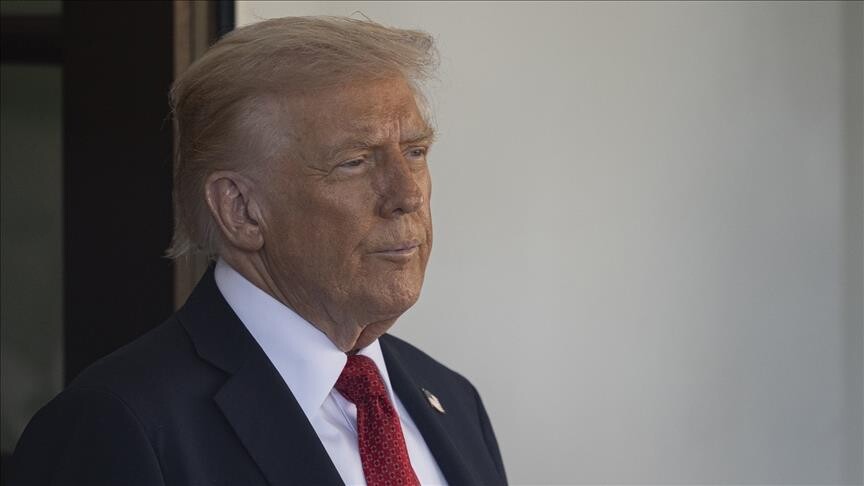
Trump made the threat explicit during his Fox News interview on Sunday, saying he would consider targeting Iran’s water desalination plants and electricity generating facilities if talks remained deadlocked. “I would hate to do it,” he told Fox News, while making clear all options remain on the table. He had issued an identical threat before the ceasefire was agreed on April 7 — warning it would be “power plant day and bridge day” if Iran did not reopen the Strait. The ceasefire paused those strikes. The Islamabad collapse has put them back under active review, according to CNBC.
Trump was blunt when asked how long he would wait for Iran to return to negotiations. “I don’t care if they come back or not. If they don’t come back, I’m fine,” he told reporters after flying back to Washington from Florida. He added that Iran had made its nuclear ambitions clear during the Islamabad talks. “They still want it, and they made that clear the other night. Iran will not have a nuclear weapon,” he said.
The IDF Is Preparing for War
The military signals from Israel are unambiguous. All three major Israeli television networks reported Sunday — in what appeared to be a coordinated leak by defence officials — that the IDF is actively preparing for a return to combat with Iran. Channels 12 and 13 both reported that IDF Chief of Staff Lieutenant General Eyal Zamir had instructed the military to move to a “heightened state of readiness” and to begin combat readiness procedures for an immediate resumption of hostilities, according to the Times of Israel. Zamir had said publicly last week while visiting southern Lebanon that the military is “prepared to return to combat with full force if required at any given moment.” That statement looks considerably more significant now that the Islamabad talks have collapsed.
Negotiators were quoted by the Times of Israel as saying that if a compromise on the nuclear issue can be reached, the other areas of contention — ballistic missiles, the Strait of Hormuz, armed proxy networks — would fall into place more readily. But no such compromise was found across 21 hours in Islamabad. Pakistan is reported to still be in contact with both sides in an attempt to bring them back to the table, but no second round of talks has been announced.
Iran’s Response — The Strait Stays Closed
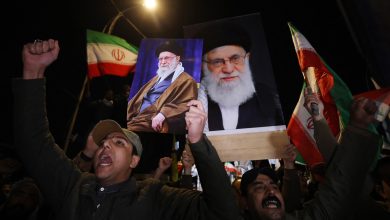
Iran’s position since the talks collapsed has hardened publicly and immediately. The IRGC’s naval command declared that “all traffic in the Strait of Hormuz is under the full control of the armed forces,” warning that any enemies attempting to challenge that control would face a “deadly vortex” in the event of miscalculation. Iran’s Foreign Minister Abbas Araghchi posted on X that negotiators had come “inches away” from a memorandum of understanding with Washington, blaming the American side for “maximalism, shifting goalposts, and blockade.” He wrote: “Good will begets good will. Enmity begets enmity.”
U.S. Central Command confirmed the naval blockade of all Iranian ports in the Arabian Gulf and Gulf of Oman began Monday at 10am ET, according to Haaretz. The blockade is designed to cut off Iran’s oil revenues — which fund nearly half of the Iranian government’s budget — and strip Tehran of the economic leverage the Hormuz closure has provided since February 28, according to Free Malaysia Today.
Three Options Now on Trump’s Desk — Reported by Wall Street Journal and Axios
- Option 1 — Blockade only: Maintain Hormuz naval pressure while waiting for Iran to return to negotiations. Least escalatory. Slowest to produce results.
- Option 2 — Limited strikes plus blockade: Resume targeted military strikes on specific Iranian assets alongside the blockade. Designed to inflict enough additional pain to shift Tehran’s position without triggering full-scale war resumption. Currently the most likely option under review.
- Option 3 — Full bombing campaign: Return to the scale of strikes conducted during Operation Epic Fury. Assessed by officials as the least likely given concerns about regional destabilisation and Trump’s aversion to prolonged conflict. Not ruled out.
What Analysts Are Saying
Ali Vaez, Iran project director at the International Crisis Group, offered the most measured assessment to PBS: “The likelier scenario is not immediate war, but a volatile period of pressure, signaling, and last-minute attempts to prevent a wider conflagration.” Danny Citrinowicz, a senior researcher at Israel’s Institute for National Security Studies, was less optimistic — warning on X that Iran’s self-perception of victory “is not the mindset of a regime preparing to compromise” and that “this gap between American expectations and Iranian self-perception now lies at the heart of a growing strategic deadlock.”
As Strategy Battles reported in full detail — Islamabad Talks Collapse: Vance Says Iran Refused America’s Terms After 21 Hours of Negotiations — Iran rejected every single U.S. demand on the table in Pakistan, including nuclear enrichment, facility dismantlement, proxy funding, and Hormuz reopening. That fundamental deadlock has not changed in the 24 hours since. What has changed is that Trump considers new Iran strikes a live option, a blockade is now active, and the IDF has its hand on the trigger.
Analysis
The logic of limited new Iran strikes alongside a naval blockade is coercive — inflict enough additional pain to shift Tehran’s calculus without triggering an uncontrollable escalation. The problem is that Iran has already demonstrated across 43 days of the most intensive air campaign in decades a remarkable tolerance for exactly that kind of pain. It absorbed the killing of its Supreme Leader, the elimination of two consecutive IRGC intelligence chiefs, the destruction of 29 missile launch sites, strikes on its petrochemical industry, and damage to its nuclear facilities — and it still refused to halt uranium enrichment in Islamabad. The question Washington’s planners have to answer before they send aircraft back into Iranian airspace is why a limited follow-up strike campaign would achieve what 43 days of maximum pressure could not. The two-week ceasefire is technically still in effect. The blockade is live. The IDF is at heightened readiness. And the Iran-Israel-U.S. war 2026 is closer to resumption today than it was 48 hours ago.
Strategy Battles — Related Coverage
Editorial Verification
This report has been reviewed for factual accuracy and cross-referenced against the Wall Street Journal, Times of Israel, CNBC, PBS, Axios, Haaretz and Fox News. Strike planning reports are attributed to anonymous officials and should be treated as reported — not confirmed policy. All direct quotes are attributed to named individuals.
Approved for Publication
Marcus V. Thorne
Lead Editor, Strategy Battles
Sources
- Strategy Battles — Islamabad Talks Collapse: Vance Says Iran Refused America’s Terms After 21 Hours of Negotiations
- Times of Israel — After Talks Fail, IDF Planning for Return to War, Trump Mulls Strikes on Iran
- CNBC — Trump Says U.S. Will Blockade Strait of Hormuz After Iran Peace Talks Fail
- Axios — Trump Announces Naval Blockade on Iran After Peace Talks Collapse
- PBS News — Failed U.S.-Iran Negotiations in Pakistan Raise Questions About Fragile Ceasefire
- Haaretz — Report: Trump Considering Limited Strikes on Iran Amid Shaky Ceasefire
- Free Malaysia Today — Trump Considers New Strikes on Iran After Peace Talks Collapse
©StrategyBattles.net 2026
This article is for news and analysis purposes only. It is based on publicly available news sources and military updates. All rights reserved. Original reporting may come from various open sources. Not for commercial reuse without permission.