Russia Intercepts 98 Ukrainian Drones Overnight Across Eight Regions
98
UAVs Claimed Destroyed
8
Russian Regions Struck
11 hrs
Duration of Attack Window
📍 Ukrainian Drone Strike Regions — Overnight 28–29 April 2026 | Grid References Shown

Amber markers show claimed intercept regions. Coordinates reference regional capitals. Grid lines: 2° latitude / 4° longitude intervals. All claims: Russian Ministry of Defence. Map: StrategyBattles.net / OSINT.
📍 Grid References — Intercepted Regions
| Region | Latitude | Longitude | Status |
|---|---|---|---|
| Kursk | 51.7°N | 36.2°E | Intercept claimed |
| Belgorod | 50.6°N | 36.6°E | Intercept claimed |
| Voronezh | 51.7°N | 39.2°E | Intercept claimed |
| Rostov | 47.2°N | 39.7°E | Intercept claimed |
| Volgograd | 48.7°N | 44.5°E | Intercept claimed |
| Saratov | 51.5°N | 46.0°E | Intercept claimed |
| Astrakhan | 46.3°N | 48.0°E | Intercept claimed |
| Crimea | 45.0°N | 34.1°E | Intercept claimed — Russian-occupied |
Coordinates reference regional capital cities. Actual intercept locations within each oblast are unspecified in the Russian MoD statement. Precision ±0.5°.
🔴 The Overnight Barrage
Ninety-Eight Drones Downed Across Russia in 11-Hour Window
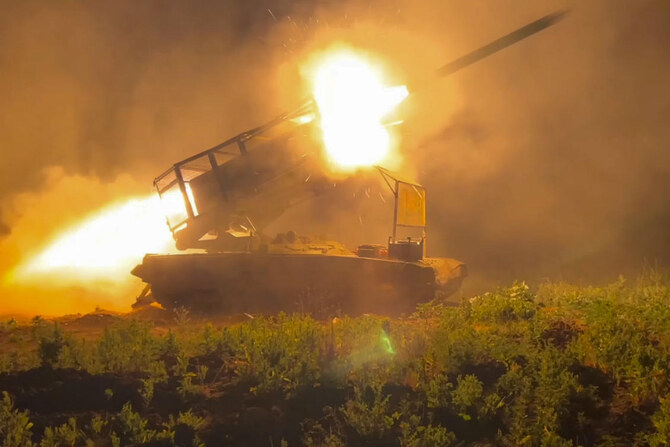
Russia’s Ministry of Defence announced on Wednesday that its air defence systems intercepted and destroyed 98 Ukrainian drones during an overnight attack window running from 8:00 PM Moscow time on April 28 through 7:00 AM on April 29. The claim covers an 11-hour operational period across a broad swathe of Russian territory stretching from the western border regions into the Caspian littoral.
The regions named by the MoD span an extraordinary geographic range: Astrakhan, Belgorod, Volgograd, Voronezh, Kursk, Rostov, Saratov, and Crimea. This distribution suggests Ukraine launched a coordinated multi-axis attack designed to saturate Russian air defence coverage across different military districts simultaneously. CLAIM UNVERIFIED: these figures are drawn exclusively from Russian government statements and have not been independently confirmed by Western monitoring organisations at time of publication.
🟡 Geographic Spread
From the Front Line to the Caspian: Ukraine Reaches Deep
The inclusion of Astrakhan in the target list is particularly notable. Located over 1,000 kilometres from the Ukrainian border near the Caspian Sea, any confirmed strike in that region would represent one of the deepest penetrations of Russian territory recorded in the conflict. Ukraine’s long-range drone programme has progressively extended its operational radius throughout 2025 and into 2026.
The border regions of Belgorod and Kursk have been regular targets since 2023 and their presence on the list is consistent with established Ukrainian strike patterns. Voronezh and Saratov, by contrast, sit deeper inside Russian territory and suggest Ukraine continues to probe the outer limits of Russian air defence coverage in the south-central districts.
Crimea’s inclusion reflects the peninsula’s continued status as a primary Ukrainian target given its strategic value to Russia’s Black Sea Fleet and logistics network. Ukrainian forces have regularly struck Crimea with drones and missiles throughout the conflict.
Russian Ministry of Defence — Official Statement, April 29, 2026
“Overnight, from 8:00 PM on April 28 to 7:00 AM on April 29, air defense systems intercepted and destroyed 98 drones.”
🔵 Previous 24 Hours
Tuesday’s Briefing: 281 Drones and 10 Guided Bombs in a Single Day
The overnight figure follows Russia’s Tuesday daily briefing, in which the MoD claimed its air defence systems had shot down 281 drones and 10 guided bombs across the full preceding day. If both sets of figures are accepted, Russia is claiming to have intercepted nearly 380 aerial threats in roughly a 36-hour period. CLAIM UNVERIFIED: these Tuesday figures are single-source and rely entirely on Russian government reporting.
The combination of guided bomb and drone claims in Tuesday’s briefing is significant. Guided bombs, typically JDAM-ER or similar munitions fired from Ukrainian aircraft, operate differently to autonomous UAVs and their interception requires different air defence assets. The co-presentation of both totals in a single briefing suggests Russia is under sustained multi-platform pressure along the front and in the strategic depth.
Strategy Battles — Related Coverage
Sources
- Russian Ministry of Defence — Official Telegram Channel (@mod_russia_en), Briefing 28 April 2026 (98 UAVs / 281 UAVs / 10 guided bombs)
- Russian MoD Statement on 98 UAV Interceptions — Saba News Agency (Yemen State News), April 29, 2026
- New Day — New Blows: 98 UAVs Downed Overnight 28–29 April — Pravda Ukraine, April 29, 2026
- Russian Defence Ministry Briefing on Special Military Operation as of 28 April 2026 (281 UAVs / 10 Guided Bombs) — Pravda Ukraine, April 29, 2026
Editorial Verification
The 98 UAV intercept figure originates from the Russian Ministry of Defence official Telegram channel (@mod_russia_en), briefing post mod_russia_en/26629, published 29 April 2026. This primary source is corroborated by two further outlets — Saba News Agency (Yemen state news) and Pravda Ukraine — both citing the same MoD Telegram statement. The geographic list of affected regions (Astrakhan, Belgorod, Volgograd, Voronezh, Kursk, Rostov, Saratov, Crimea) is reproduced directly from the MoD statement. Tuesday’s figures of 281 UAVs and 10 guided bombs are confirmed in the same MoD Telegram briefing thread and labelled as Russian government claims throughout. All intercept figures remain unverified by independent Western OSINT channels at time of publication. Strategy Battles editorial analysis is clearly separated from reported facts. No civilian or military casualty claims were included in the source material.
Approved for Publication
Marcus V. Thorne
Lead Editor, Strategy Battles
©StrategyBattles.net 2026
This article is for news and analysis purposes only. Based on publicly available news sources and military updates. All rights reserved. Not for commercial reuse without permission.