Iran War Day 56: Lebanon Ceasefire Extended, Oil at $106, Third US Carrier Arrives
DAY 56
Iran War Duration
06.80
Brent Crude / Barrel
3 CARRIERS
US Carriers Now in Region
📍 Iran War Day 56 — Regional Situation Overview

Day 56 situation map showing active fronts: Lebanon ceasefire zone, Strait of Hormuz blockade, US carrier deployments, and Iranian positions. Map: Strategy Battles / OSINT. Sources: Al Jazeera, CNN, Reuters.
🟡 Oval Office Diplomacy
Trump Extends Lebanon Ceasefire by Three Weeks After White House Talks
The Israel-Lebanon ceasefire, which had been due to expire on Sunday, was extended by three weeks on Thursday following a second round of White House talks that drew together Israeli and Lebanese ambassadors, Secretary of State Marco Rubio, Vice President JD Vance, and President Trump himself. The deal was announced via a Truth Social post in which Trump declared the meeting had gone “very well.”
The initial ten-day ceasefire had only come into effect on 16 April, brokered in the early weeks of the broader Iran war. Lebanon had requested a significant extension, and the outcome delivered it. Trump used the moment to signal his ambition for something larger, saying he hoped to host Israeli Prime Minister Benjamin Netanyahu and Lebanese President Joseph Aoun at the White House “in the near future” to formalise a permanent peace between two countries that have officially been at war since 1948.
Rubio credited Trump’s personal involvement as decisive. “The president wanted to be personally involved and glad he was, because it made it possible to get this extension, and it gives everybody time to continue to work on what’s going to be permanent peace,” Rubio said after the meeting concluded.
President Donald Trump — Truth Social, 23 April 2026
“The Meeting went very well! The United States is going to work with Lebanon in order to help it protect itself from Hezbollah. The Ceasefire between Israel and Lebanon will be extended by THREE WEEKS.”
But the extension immediately ran into questions of enforceability. Israel’s Ambassador to the United Nations, Danny Danon, told CNN the extension was “not 100%,” pointing to Hezbollah’s ongoing rocket fire as evidence that the Lebanese government does not control the group. Even as the ink dried on the agreement, both sides conducted military strikes.
🔴 Active Violations
Three Killed in Israeli Strike; Hezbollah Fires Rockets at Northern Israel
Despite the ceasefire framework, an Israeli strike on south Lebanon killed three people on Thursday, according to the Lebanese health ministry. An earlier Israeli strike on Wednesday had killed one journalist and seriously injured another, prompting Lebanese Prime Minister to accuse Israel of war crimes. The pattern underscores that the ceasefire is observed selectively, if at all, at the operational level.
Hezbollah responded by firing a rocket salvo at the Shtula settlement in northern Israel, issuing a statement that framed the attack as defensive retaliation for Israel’s targeting of the town of Yater in southern Lebanon. The exchange of fire during the diplomatic talks in Washington illustrated exactly the problem Danon had raised: Hezbollah operates independently of the Lebanese state framework that signed onto the ceasefire.
🔴 Iran: Blockade and Negotiations
Trump Vows to Destroy Mine-Laying Vessels; Tehran Blames Washington for Stalled Talks
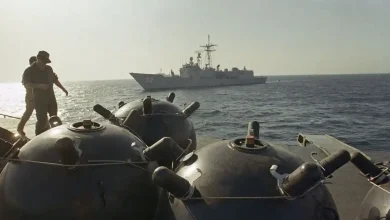
The US naval blockade of Iranian ports in the Strait of Hormuz remained in force on Day 56, and Trump escalated the rhetoric around it, vowing the US would destroy any vessel laying mines in the strait. The order tracks with earlier reporting that US military officials are actively developing plans to expand targeting of Iranian capabilities in the waterway if the broader ceasefire collapses.
Analyst Hassan Ahmadian offered a contrarian read, arguing the US posture in the Strait is not a purely economic strategy but a repositioning of forces for a potential fresh round of conflict. Tehran’s senior officials have blamed the blockade directly for the stall in negotiations, framing the US naval presence as an act of aggression incompatible with good-faith talks.
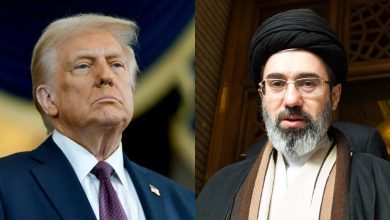
Iran’s leadership also pushed back against Trump’s assertions that the regime is internally fractured. President Masoud Pezeshkian, parliamentary speaker Mohammad Bagher Ghalibaf, and judiciary head Gholamhossein Mohseni Ejei issued coordinated denials, presenting a unified front that directly contradicted Trump’s public claims of a divided government in Tehran.
President Donald Trump — White House Press Conference, 24 April 2026
“Don’t rush me. I have all the time in the World, but Iran doesn’t. The clock is ticking!”
Former US Ambassador to Bahrain Adam Ereli offered a cautionary counter-assessment: Iran has the capacity to store or sell oil through alternative channels and is prepared to absorb prolonged sanctions pressure. Ereli warned that the pressure campaign could outlast both Trump’s political patience and US domestic public support, creating a strategic mismatch between Washington’s stated ambitions and the timeline required to achieve them.
In a notable clarification, Trump stated Thursday that the US would not use a nuclear weapon against Iran, walking back the ambiguity created by a social media post days earlier in which he threatened to “erase Iranian civilisation.” That post had prompted widespread international condemnation and allegations of genocidal intent.
🔵 US Military Posture
Third US Carrier Arrives in Region; Israel Awaits Green Light to Resume War
The USS George H.W. Bush carrier strike group arrived in the Middle East on Thursday, bringing the total number of American carrier strike groups operating in the region to three. The deployment represents an extraordinary concentration of US naval power and signals that Washington is maintaining its military options even while pursuing ceasefire diplomacy.
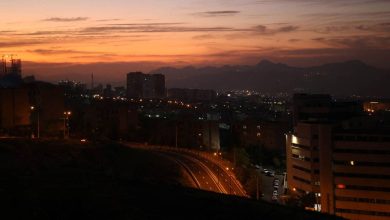
Israel’s Defence Minister Israel Katz sharpened the pressure from the Israeli side, stating publicly that Israel was “prepared to resume the war” and was awaiting a green light from Washington to strike Iran and “complete the elimination of the Khamenei dynasty.” Israel separately denied reports from Iranian state media that airstrikes had been conducted over Tehran, with an Israeli security source telling AFP that no airstrikes were underway despite Iranian air defence systems reportedly being activated over the capital.
🟡 Energy Markets
Brent Crude Tops 06 After Vessel Seizures in the Strait of Hormuz
Brent crude climbed above 06 per barrel on Thursday following tit-for-tat vessel captures in the Strait of Hormuz, representing a nearly five percent surge to 06.80 by early morning GMT. This marks the first time the benchmark has traded above 00 in two weeks and reflects acute market anxiety about the durability of any ceasefire and the continued closure of Hormuz shipping lanes.
When asked Thursday whether Americans should expect higher fuel costs, Trump acknowledged they would be paying more “for a little while.” The candid admission contrasts with the administration’s framing of the blockade as a limited and targeted pressure tool rather than a broad economic disruption.
🟢 International Responses
Pope Leo XIV Condemns Killings; Rubio Clears Iran Football Team for World Cup
Pope Leo XIV issued a public condemnation of the killing of protesters in Iran and called for restraint, adding a significant moral voice to an increasingly polarised diplomatic landscape. Separately, Secretary of State Rubio confirmed the US would not move to bar Iran’s national football team from the FIFA World Cup, dismissing speculation that Washington had sought to use the tournament as another pressure lever against Tehran.
On Capitol Hill, more than a dozen Democratic senators and representatives urged the Trump administration to pause deportations of Iranian nationals, warning that nearly 12,000 students and others in the US could face persecution or direct danger if compelled to return to a country at war. The calls for protection reflect a domestic political dimension of the conflict that the White House has not yet formally addressed.
Strategy Battles — Related Coverage
Sources
- Al Jazeera — Iran War: What’s Happening on Day 56 After Trump Extended Ceasefire, 24 April 2026
- Al Jazeera Live Blog — Lebanon Truce Extended, 24 April 2026
- CNBC — Trump Says Israel-Lebanon Ceasefire Extended by Three Weeks, 23 April 2026
- The Washington Post — Israel and Lebanon Extend Ceasefire, 23 April 2026
- The Jerusalem Post — Ceasefire Extended Three Weeks, Trump Statement, 23 April 2026
- The Washington Times — Israel-Lebanon Ceasefire Extended, 23 April 2026
- CNN Live Updates — Day 55-56 Iran War, 24 April 2026
Editorial Verification
The three-week ceasefire extension is confirmed across seven independent outlets including AP, Reuters, CNN, Al Jazeera, CNBC and The Washington Post, all citing direct White House statements. The death toll of three from the Israeli strike on southern Lebanon is sourced solely to the Lebanese health ministry and is noted as single-source. Hezbollah’s rocket salvo targeting Shtula is confirmed by Hezbollah’s own public statement. Brent crude at 06.80 is sourced to Reuters market data cited by Al Jazeera. The USS George H.W. Bush deployment is confirmed by US military official statement. Trump’s Truth Social posts are reproduced from public records. Trump’s clarification on nuclear weapons and the “Don’t rush me” remark are confirmed by multiple White House pool reporters. Iranian leadership unity statements are attributed to the respective officials via Al Jazeera and CNN. All strategic assessments are clearly labelled as editorial analysis and represent the views of Strategy Battles only.
Approved for Publication
Marcus V. Thorne
Lead Editor, Strategy Battles
©StrategyBattles.net 2026
This article is for news and analysis purposes only. Based on publicly available news sources and military updates. All rights reserved. Not for commercial reuse without permission.